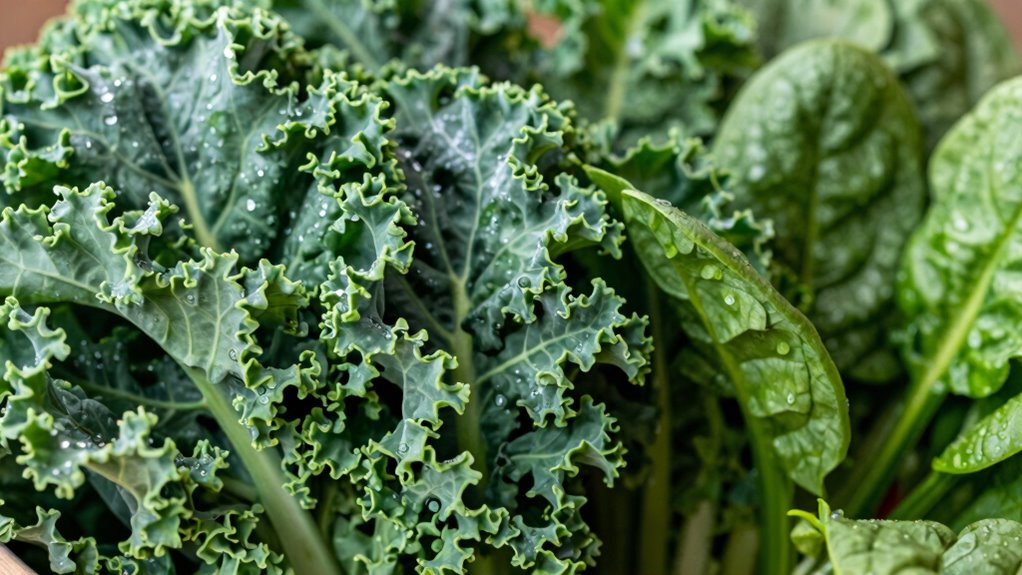

To keep leafy greens happy, maintain a temperature between 60°F and 75°F, and avoid sudden shifts that cause stress or bolting. Keep humidity balanced—high enough to prevent wilting but not so high that pests and fungal issues develop. Good air circulation and proper soil drainage are essential for healthy growth. If you focus on managing these conditions, you’ll create an ideal environment. Discover more tips that can make your leafy greens thrive even further.
Key Takeaways
- Maintain temperatures between 60°F and 75°F to promote healthy growth and prevent bolting.
- Keep humidity levels moderate to reduce pest attraction and fungal diseases.
- Ensure well-draining soil and proper watering to avoid root rot and stress.
- Enhance air circulation through spacing and pruning to control humidity and pests.
- Use shading or row covers during extreme heat or cold to stabilize environmental conditions.

Maintaining the right temperature and humidity levels is vital for growing healthy leafy greens. When conditions are just right, your greens will thrive, grow lush, and resist diseases better. One key aspect to think about is soil drainage. Well-draining soil prevents excess water from lingering around the roots, which can lead to root rot and other problems. If the soil stays too wet, your plants become vulnerable not just to diseases but also to pests that thrive in damp environments. Guaranteeing proper soil drainage involves mixing organic matter like compost or peat moss into your soil, or planting in raised beds if the natural soil isn’t ideal. Good drainage allows roots to breathe and access oxygen, essential for healthy growth. Additionally, maintaining optimal soil drainage can significantly influence the overall health and resilience of your greens. Proper ventilation and airflow can also help regulate humidity levels around your plants, further reducing the risk of fungal issues and pest infestations. Ensuring good air circulation is especially important in enclosed or high-humidity environments. To support this, using appropriate spacing and pruning techniques can improve airflow and reduce excess moisture buildup. Humidity plays a significant role in maintaining plant health, but too much moisture in the air can invite pests and fungal issues. High humidity levels, especially during warm weather, can create a perfect environment for pests like aphids, whiteflies, and spider mites to flourish. These pests weaken your plants and spread diseases, so pest management becomes a vital part of maintaining ideal conditions. Regularly inspecting your greens for signs of pests, using natural predators like ladybugs, or applying organic insecticidal soaps can help keep pests at bay. Balancing humidity helps reduce pest infestations and minimizes the need for chemical interventions, making your greens safer and healthier. Proper environmental monitoring can help you stay ahead of adverse conditions and adjust your care routines accordingly. Temperature control is equally vital. Leafy greens prefer cooler weather, typically between 60°F and 75°F, depending on the variety. When temperatures soar above this range, your plants can bolt or become stressed, making them more susceptible to pests and diseases. Conversely, too cold and they may struggle to grow properly. To maintain this balance, you might need to provide shade during the hottest parts of the day or use row covers when temperatures drop unexpectedly. Keeping the environment within the ideal temperature range also reduces stress, enabling your greens to develop strong leaves and resist pest attacks more effectively. Understanding the interplay between temperature and humidity helps optimize growing conditions and promotes healthier plants. Proper environmental monitoring can help you stay ahead of adverse conditions and adjust your care routines accordingly. Ultimately, understanding the interplay between soil drainage, pest management, temperature, and humidity is key to cultivating healthy leafy greens. Proper soil drainage prevents water-related issues, while managing humidity reduces pest problems. Maintaining an ideal temperature ensures your greens grow steadily without stress. By paying attention to these factors, you create a balanced environment that promotes vigorous growth, minimizes disease, and keeps pests in check. When you regulate these conditions precisely, you’ll notice your leafy greens become more vibrant, flavorful, and resilient, making your gardening efforts truly rewarding.

Briignite Grow Light Bulbs, LED Grow Light Bulb A19 Bulb, Full Spectrum
- Full Spectrum Light: Replicates natural sunlight for plants
- Bright & Energy Efficient: 1000LM brightness, consumes only 11W
- High Light Transmission: Enhances plant absorption with full spectrum
As an affiliate, we earn on qualifying purchases.
As an affiliate, we earn on qualifying purchases.
Frequently Asked Questions
How Do Seasonal Changes Affect Leaf Green Humidity Needs?
Seasonal fluctuations influence your leafy greens’ humidity needs considerably. During warmer months, you should increase humidity to prevent dehydration, while in colder seasons, reduce it to avoid excess moisture that promotes mold. Your plants adapt through humidity adaptation, so monitor environmental changes carefully. Adjust humidity levels accordingly to keep your greens thriving year-round, ensuring they stay healthy and vibrant regardless of seasonal shifts.
Can Artificial Lighting Influence Humidity Levels for Leafy Greens?
Artificial lighting can influence humidity control for leafy greens, though indirectly. About 70% of growers use supplemental lighting to boost plant growth. When you use artificial lighting, it can cause temperature increases, leading to higher evaporation rates and reduced humidity levels. By managing these lights carefully, you can maintain ideal humidity. This balance ensures your greens stay lush, healthy, and thriving, even when natural conditions fluctuate.
What Are Signs of Improper Humidity in Leafy Greens?
If humidity is too low, you’ll notice leaf edges curling or browning, signaling dehydration. High humidity can cause leaves to look overly moist, develop mold, or become slimy, which harms leaf health. Proper humidity control guarantees your greens stay vibrant and healthy, preventing issues like leaf scorch or fungal growth. Regularly monitor moisture levels to maintain ideal conditions, giving your leafy greens the perfect environment to thrive and stay lush.
How Often Should Humidity Levels Be Monitored in a Greenhouse?
You should monitor humidity levels daily in your greenhouse. For example, if you notice soil moisture fluctuating or pests becoming more active, it’s a sign to check humidity more frequently. Regular monitoring helps you maintain ideal conditions, preventing issues like wilting or disease. By keeping a close eye, you can adjust watering and airflow, supporting healthy leafy greens and effective pest control.
Do Different Leafy Greens Require Varying Humidity Levels?
Yes, different leafy greens require varying humidity levels for ideal growth. For instance, spinach prefers higher humidity to keep soil moisture consistent, while lettuce thrives in slightly lower humidity to prevent mold. You should regularly monitor humidity to support pest control, as proper levels reduce disease risk. Adjust your greenhouse environment accordingly, ensuring each crop’s specific needs are met, which promotes healthy growth and minimizes pest problems.

Burpee, 9 Quarts | Premium Organic Potting Natural Soil Mix Food Ideal for Container Garden-Vegetable, Flower & Herb Use for Indoor Outdoor Plant
- All-Natural Organic Mix: Formulated with plant food and coconut coir
- Ideal for Containers: Suitable for pots and raised beds
- Long-Lasting Nutrition: Provides up to 3 months of feeding
As an affiliate, we earn on qualifying purchases.
As an affiliate, we earn on qualifying purchases.
Conclusion
By paying attention to the gentle dance of temperature and humidity, you create a cozy haven for your leafy greens. When you find that sweet spot, they thrive and flourish, whispering their vibrant greens and tender leaves. Embrace the subtle cues nature gives, and your garden will reward you with lush, happy greens. It’s all about nurturing that delicate balance — a quiet symphony of comfort and care for your leafy friends.

Antonki 2 Pack Room Thermometer Indoor Hygrometer
- Pack of Two for Monitoring: Includes two hygrometer thermometers
- Wide Temperature Range: -58°F to 158°F (-50°C to 70°C)
- High Humidity Range: 10% to 99%
As an affiliate, we earn on qualifying purchases.
As an affiliate, we earn on qualifying purchases.
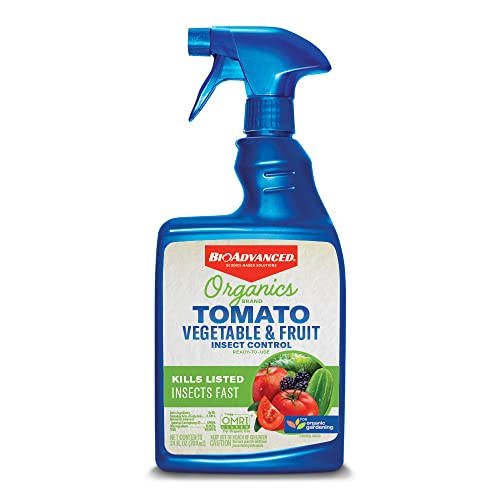
BioAdvanced Organics Brand Tomato, Vegetable & Fruit Insect Control – 24 oz
- Insect Control: Kills pests on edible and ornamental plants
- Powdery Mildew Control: Treats and prevents powdery mildew on plants
- Organic Gardening Approved: OMRI listed for organic use
As an affiliate, we earn on qualifying purchases.
As an affiliate, we earn on qualifying purchases.