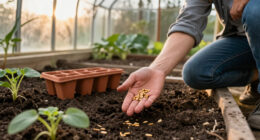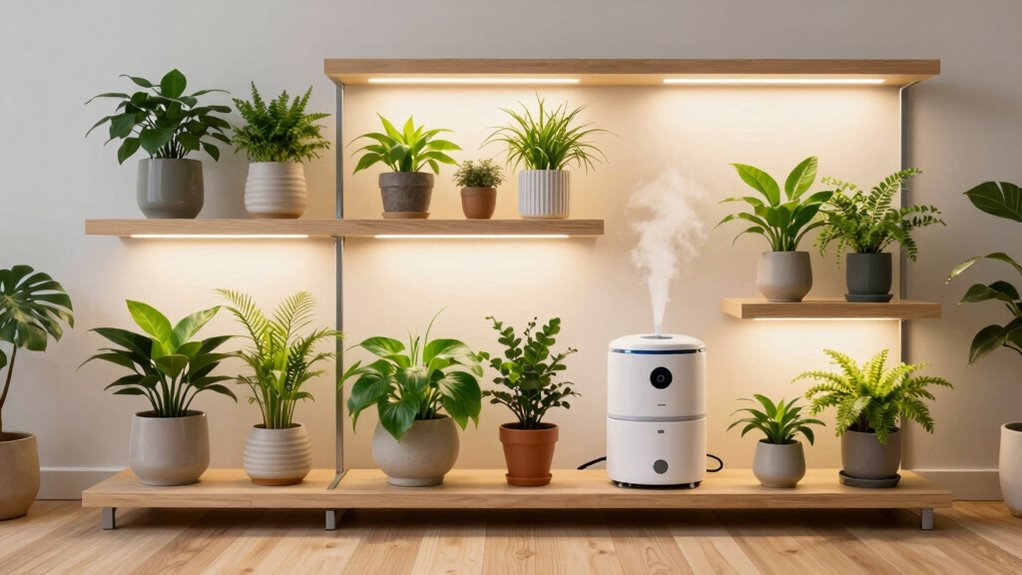
Premium indoor garden packages might look appealing with all their high-end features, but what truly matters is finding equipment that fits your space, goals, and skill level. You don’t need the most expensive setup to succeed—starting simple helps you learn the basics and prevents unnecessary costs. Upgrading gradually as you gain experience is smarter than jumping into lavish systems. If you want to discover how to choose the right gear for your needs, keep exploring the essentials.

Get garden gear delivered free with Prime
- Fast, free delivery on millions of items
- Prime Video, Amazon Music and more included
- Member-only deals all year
Key Takeaways
- Focus on equipment that matches your space, goals, and skill level rather than opting for expensive, premium packages.
- Basic, simple hydroponic kits help beginners learn fundamentals before considering upgrades.
- Compatibility of system components ensures efficiency and prevents unnecessary expenses or system issues.
- Premium features are often unnecessary; prioritize essential functions suited to your specific plant needs.
- Research options to find equipment that provides the best fit for your setup and future growth potential.

Setting up an indoor garden can be simple and affordable with the right equipment packages. When you’re starting out, you might be tempted by premium-looking kits filled with high-end gear, but remember, fit matters more than the price tag. The key to a successful indoor garden isn’t just having the most advanced or costly equipment; it’s choosing the right tools that suit your space, goals, and skill level.
Choosing the right tools for your space and skill level is more important than expensive equipment.
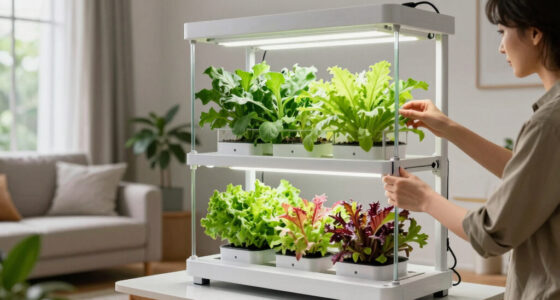
Hydroponic systems are a popular choice because they allow you to grow plants without soil, making setups cleaner and often more efficient. But not all hydroponic systems are the same. Some are designed for small spaces, while others are better suited for larger setups. Picking a system that fits your available space and your desired plant variety is essential. If you’re limited on room, compact, all-in-one hydroponic kits work well. If you want to grow a variety of herbs or vegetables, look for systems with expandable features. Whatever you choose, guarantee it’s easy to maintain and understand, especially if you’re new to hydroponics.
Proper lighting is vital, and LED grow lights are a game-changer. They’re energy-efficient, produce less heat, and can be tailored to specific growth stages of your plants. When selecting LED grow lights, consider the size of your garden and the light spectrum needed. A premium light might have all the bells and whistles, but if it doesn’t match your plant’s needs or space, it’s money wasted. Instead, focus on a light that provides adequate coverage and intensity for your setup. Proper lighting ensures healthy growth and maximizes yield, which is ultimately what you want from your indoor garden. Additionally, understanding light spectrum options can help you choose lights that promote optimal plant development.
While premium equipment packages often sound appealing, they can include features or components that you don’t need or can’t use effectively. Instead, focus on matching the equipment to your actual needs. For example, a beginner might only need a basic hydroponic kit with a good LED grow light, rather than an elaborate setup that’s difficult to manage. It’s better to start simple, learn the fundamentals, and upgrade as you gain experience. Investing in compatible components can also help your system run smoothly and avoid compatibility issues later on.
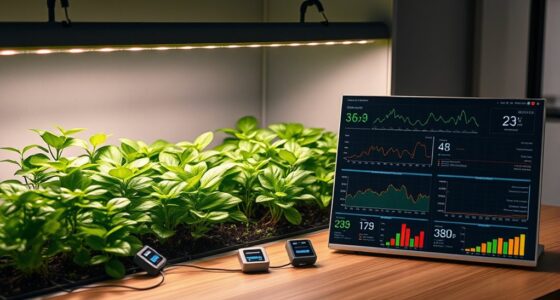
Additionally, understanding indoor garden equipment options and their compatibility can help you make smarter choices and avoid unnecessary expenses. Being aware of equipment compatibility can also prevent you from purchasing components that won’t work well together, saving you time and money. Investing time in research about system components ensures your setup is both efficient and adaptable as your gardening skills grow.
Products Worth Considering

Greenworks 40V Cordless Chainsaw Kit with 12-Inch Bar, 2Ah Battery and Charger

Orbit B-hyve 12-Zone Indoor/Outdoor Wi-Fi Sprinkler Controller

Orbit B-hyve XR 8-Zone Indoor/Outdoor Smart Sprinkler Controller
As an affiliate, we earn on qualifying purchases.
Frequently Asked Questions
How Do I Determine the Right Size for My Indoor Garden?
You determine the right size for your indoor garden by focusing on space optimization and plant compatibility. Measure your available space carefully, considering height, width, and airflow. Then, select equipment that fits comfortably without overcrowding, ensuring your plants have enough room to grow healthily. Matching the size of your setup to your space and plant needs helps prevent issues like overcrowding or insufficient light, leading to a thriving indoor garden.
What Are the Most Energy-Efficient Lighting Options?
You should choose LED grow lights for energy efficiency because of their high LED efficiency and long lifespan. Look for lights with a full light spectrum, especially tailored for vegetative and flowering stages, to optimize plant growth. LEDs consume less power while providing intense, targeted light. This combination reduces energy bills and guarantees your indoor garden gets the right light spectrum for healthy, vigorous plants.
How Often Should I Maintain Indoor Garden Equipment?
You should maintain your indoor garden equipment at least once a month to guarantee ideal plant nutrition and pest prevention. Regularly clean your grow lights, fans, and filters to prevent buildup and check for any signs of pests or disease. Adjust your watering and fertilizing schedules as needed, and inspect plants for pests. Consistent maintenance helps your garden thrive by promoting healthy growth and preventing issues before they escalate.
Can Equipment Be Customized for Specific Plant Types?
Absolutely, equipment can be customized for specific plant types. You just need to make plant-specific adjustments in your setup to give each plant what it needs to thrive. A custom setup ensures ideal light, humidity, and nutrient levels, tailored to your plants’ unique requirements. With the right modifications, you’ll grow healthier plants and get better yields — proving that one size doesn’t fit all in indoor gardening.
What Are Common Mistakes When Setting up Indoor Gardens?
When setting up your indoor garden, avoid common mistakes like neglecting soil preparation, which can hinder plant growth, and overlooking pest control, leading to infestations. Make sure you thoroughly prepare your soil by adding nutrients and proper drainage. Regularly monitor for pests and take quick action. Also, don’t forget to choose equipment that fits your space and plant needs, rather than just opting for the most expensive or flashy options.
Conclusion
While premium equipment packages may tempt you with their promise of perfection, remember that fit is the true foundation of success. Like a key fitting perfectly into a lock, the right setup transforms your indoor garden from a mere idea into a thriving oasis. Don’t be swayed by shiny extras—focus on what truly suits your space and needs. Because in gardening, as in life, it’s not just about the package, but how well it fits your unique world.