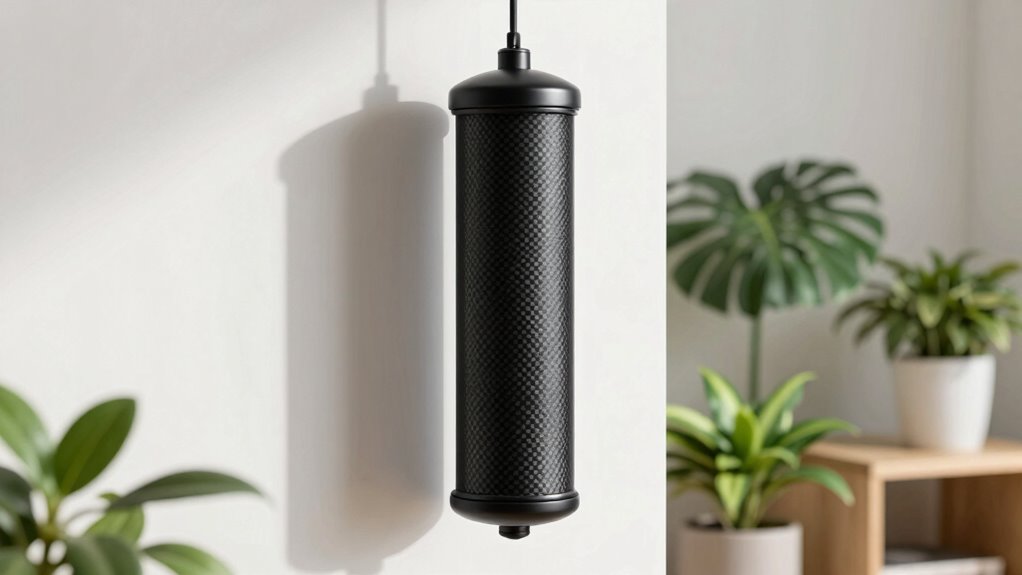

You’ll get the best results from your carbon filter when you place it strategically. Position it near pollution sources like kitchens or pet areas for targeted odor removal. Keep it in central spots for even air circulation, and avoid blockages that hinder airflow. Proper placement guarantees pollutants contact the filter more efficiently, boosting its effectiveness and lifespan. If you want to learn how to optimize your filter’s performance even further, keep exploring these tips.

Get garden gear delivered free with Prime
- Fast, free delivery on millions of items
- Prime Video, Amazon Music and more included
- Member-only deals all year
Key Takeaways
- Proper placement near pollution sources or airflow pathways maximizes chemical absorption efficiency.
- Positioning filters where air circulates effectively ensures pollutants are captured promptly.
- Avoid obstructions like furniture or corners to maintain steady airflow and optimal filter contact.
- Strategic placement near vents, windows, or entry points enhances filtration of incoming contaminated air.
- Regularly adjusting filter location based on pollutant sources improves overall air purification performance.
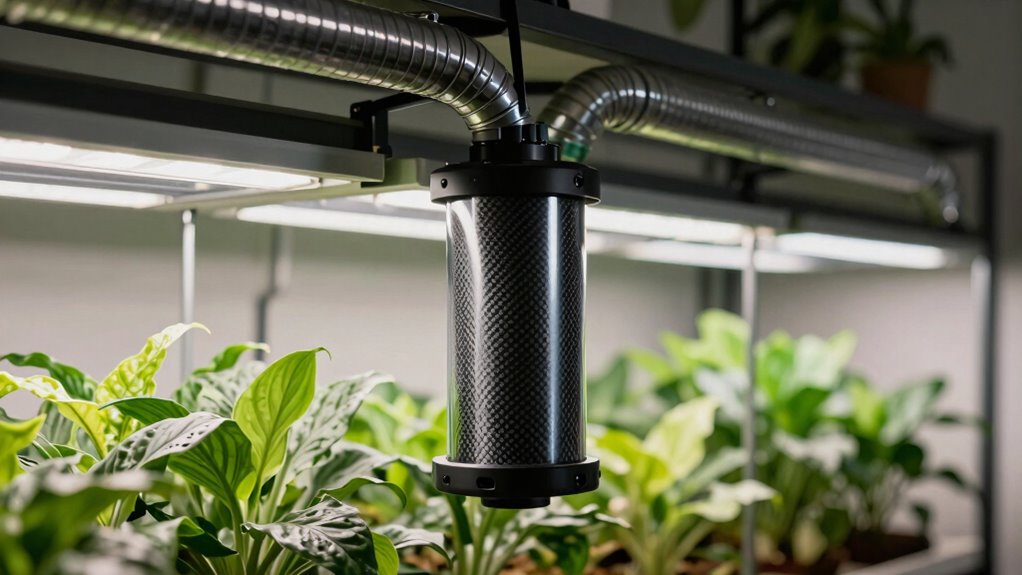
While carbon filters are effective at improving air quality, their success largely depends on where you place them. These filters excel at air purification by removing odors, volatile organic compounds (VOCs), and other airborne contaminants. But simply having a carbon filter isn’t enough—you need to position it strategically to maximize its benefits. Proper placement ensures the filter can perform chemical absorption efficiently, which is the core process that makes these filters effective.
Start by identifying sources of pollution or odors in your space. If you’re dealing with cooking smells, place the filter near the kitchen or cooking area. For smoke or pet odors, position it close to the source, such as near a litter box or smoking zone. If you’re aiming for general air purification in a larger room, set the filter in a central location where it can circulate air evenly. Avoid corners or places blocked by furniture, as these hinder airflow and reduce effectiveness. The goal is to ensure a steady flow of contaminated air into the filter, allowing chemical absorption to occur optimally. Air circulation patterns are crucial for maximizing filtration efficiency.
Place the filter near pollution sources or centrally for optimal air circulation and chemical absorption.
When considering placement, don’t forget about airflow patterns. Position the filter where it can capture the most air moving through the space, ideally near vents, windows, or doorways that allow fresh air to enter. This positioning helps the filter pull in contaminated air before it disperses throughout the room. Also, keep the filter away from obstructions like curtains or furniture that can block airflow, which diminishes its ability to do its job. Additionally, understanding the role of indoor air quality and how pollutants circulate can help you determine the best placement for your filter. Recognizing how pollutant movement occurs within your indoor environment can further optimize filter positioning. Being aware of the airflow dynamics in your space will enable you to choose the most effective location for your carbon filter.
Another key factor is understanding the role of chemical absorption in air purification. Carbon filters contain activated charcoal, which has a large surface area capable of trapping and neutralizing chemical pollutants. To maximize this process, place the filter where it has direct access to polluted air streams. If the air isn’t reaching the filter efficiently, the absorption process slows down, and odors or chemicals linger longer than they should. Regularly replacing or regenerating the carbon filter is also critical, but proper placement ensures that you’re making the most of each filter’s capacity. Proper positioning can also extend the lifespan of the filter by optimizing airflow and chemical contact.
Ultimately, the effectiveness of your carbon filter hinges on thoughtful placement. When you position it correctly, you enhance chemical absorption, improve air purification, and create a healthier environment. Just remember, it’s not only about having a filter but about where and how you use it for the best results.
As an affiliate, we earn on qualifying purchases.
Frequently Asked Questions
How Often Should I Replace My Carbon Filter?
You should replace your carbon filter every 3 to 6 months for thorough filter maintenance and odor absorption. Regularly check for signs of reduced effectiveness, like lingering odors or decreased airflow. Factors like usage level, air quality, and filter type influence replacement timing. By replacing it on schedule, you guarantee your air stays fresh and free from unwanted smells, maximizing your filter’s performance and lifespan.
Can Carbon Filters Remove All Types of Odors?
Think of your carbon filter as a skilled detective, hunting down odors in the chaos of air. While it excels at air purification and odor absorption, it doesn’t catch every scent—some stubborn smells, like chemical fumes or pet odors, might slip through. To truly tame all odors, you might need a combination of filters or specialized solutions. Proper placement enhances their detective work, making your space fresher and more inviting.
Are There Different Types of Carbon Filters for Specific Uses?
Yes, there are different types of carbon filters designed for specific uses. You’ll find filters with various filter materials and carbon application methods tailored for particular odors or contaminants. For example, some filters use coconut shell carbon, ideal for general odors, while others have specialized media for chemical fumes. Choosing the right filter depends on your needs, so consider the filter materials and how the carbon application enhances odor removal for effective results.
Do Carbon Filters Work in Humid Environments?
Think of a carbon filter as a sponge soaking up odors; in humid environments, it can struggle if not placed correctly. Humidity effects can reduce the filter’s efficiency, making it less effective at trapping smells. Proper filter placement is essential—positioning it where airflow is strongest helps it work better. While they do work in humid settings, optimizing placement guarantees your filter remains effective despite moisture challenges.
How Can I Tell if My Carbon Filter Is Exhausted?
You can tell if your carbon filter is exhausted by noticing a decline in air purification performance. If odors or pollutants persist despite running the filter, it’s time for filter maintenance. A worn-out filter also often produces a musty smell or shows visible signs of dirt and dust. Regularly check and replace your filter to guarantee it continues to effectively remove contaminants, keeping your space fresh and healthy.
activated charcoal air filter for odors
As an affiliate, we earn on qualifying purchases.
As an affiliate, we earn on qualifying purchases.
Conclusion
Think of your air purifier as a trusty garden hose. The filter is the nozzle, but if you don’t aim it right, the water (or clean air) won’t reach where it’s needed most. Proper placement is your secret to a revitalizing breeze. Just like directing water to your favorite flowers, position your filter wisely, and you’ll see how it transforms your space—making every breath feel like a invigorating rain after a dry spell.
As an affiliate, we earn on qualifying purchases.
best placement for carbon air filter
As an affiliate, we earn on qualifying purchases.
As an affiliate, we earn on qualifying purchases.
Halloween Picks
halloween
As an affiliate, we earn on qualifying purchases.