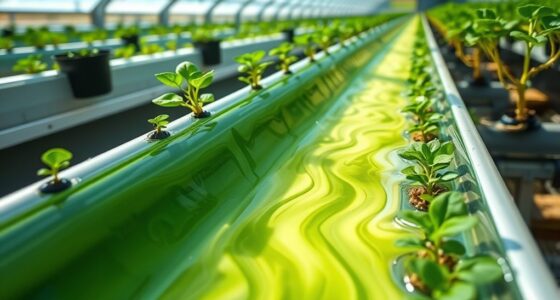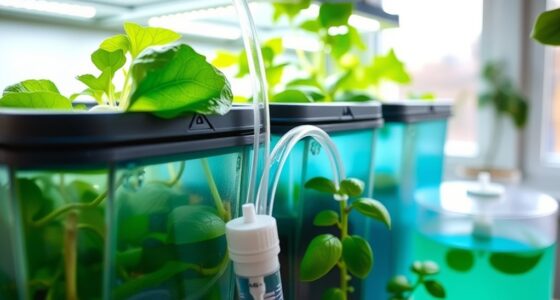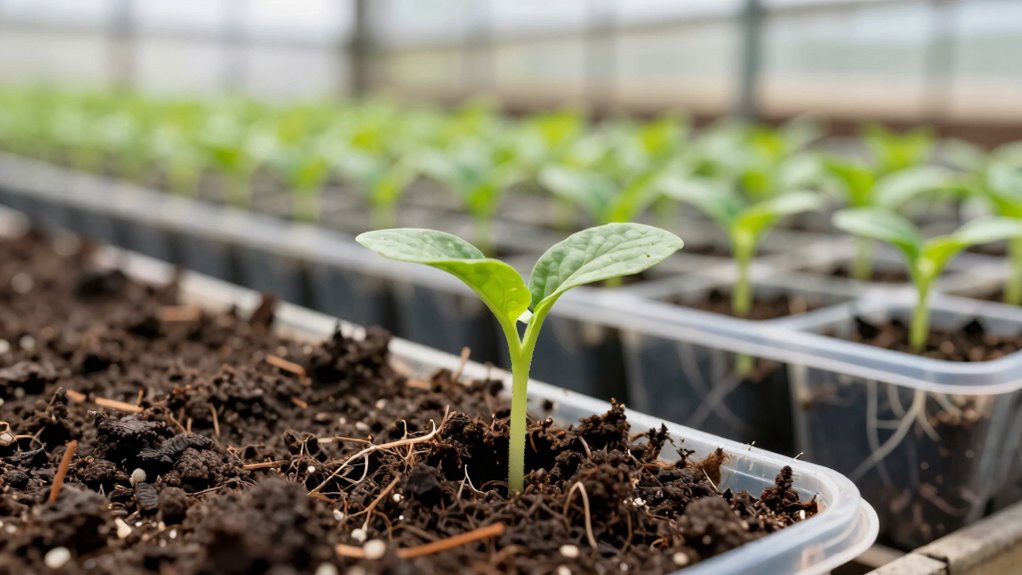

Your seedling-to-harvest system can save time only if replanting is easy, because quick replacements reduce delays and labor costs. Designing containers or beds that allow fast removal and replacement makes replanting simple, limiting damage and disruption to surrounding plants. Plus, healthy soil and effective pest management help prevent issues that cause replanting. By creating a streamlined process, you’ll keep your crop production efficient. Keep exploring how to optimize your system for smoother replanting and better yields.

Get garden gear delivered free with Prime
- Fast, free delivery on millions of items
- Prime Video, Amazon Music and more included
- Member-only deals all year
Key Takeaways
- Easy replanting systems reduce labor time and minimize disruption during transplanting and replanting processes.
- Organized nursery layouts streamline replanting, saving time and reducing errors.
- Container-based systems facilitate quick removal and replacement of seedlings.
- Soil health and pest management ensure fewer issues, decreasing the need for replanting.
- Resilient systems enable rapid recovery from problems, preventing delays in harvest.
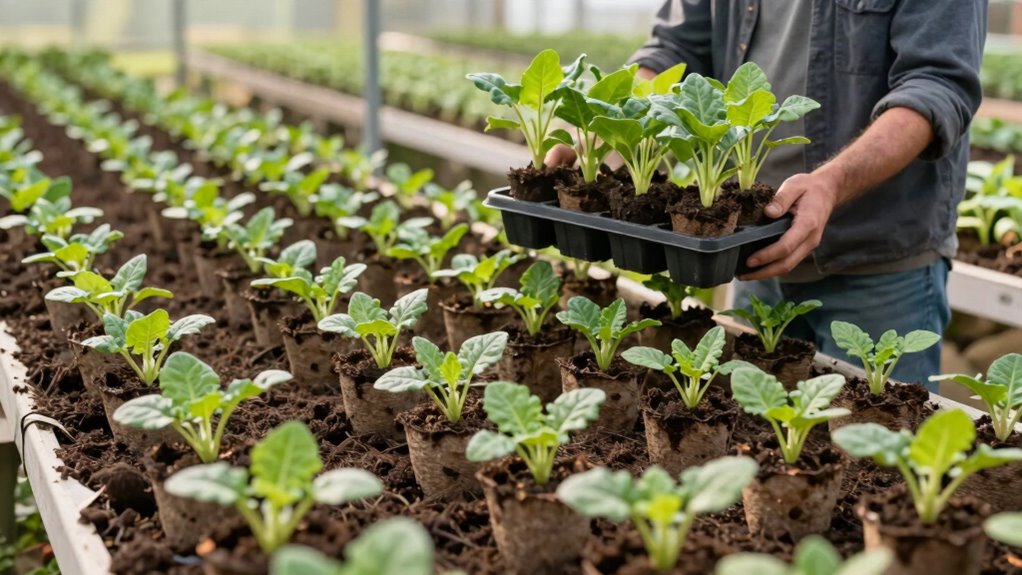
Starting with healthy seedlings is essential for a successful harvest, and implementing a well-structured seedling-to-harvest system can considerably boost your yields. When you prioritize soil health from the outset, you create a strong foundation for your plants to thrive. Healthy soil provides essential nutrients, promotes good root development, and reduces the likelihood of pests and diseases taking hold. If your soil is rich and balanced, your seedlings are more resilient, making replanting less necessary even if unforeseen issues arise. This focus on soil health streamlines your overall process and can save you significant time during the growing season. Additionally, choosing soil amendments that improve soil fertility can further enhance plant resilience and reduce replanting needs. Maintaining soil health through proper testing and amendments ensures your plants have optimal conditions from the start. Incorporating soil testing into your routine allows you to identify nutrient deficiencies early and make targeted adjustments, further supporting healthy growth. Regularly monitoring soil conditions can also help prevent nutrient imbalances, which are common causes of poor seedling development. Ensuring proper soil aeration and drainage can further support robust seedling growth and reduce replanting requirements.
Healthy soil from the start makes seedlings more resilient and reduces replanting needs.
Efficient pest management is another key factor that influences how easily you can replant if needed. When pests are kept in check early on, your seedlings are less likely to suffer damage that might require replanting. A proactive approach, such as using organic controls or beneficial insects, ensures pests don’t become a major problem. This reduces the need for drastic interventions later, which can be time-consuming and disruptive. If replanting does become necessary, having a pest-managed environment means you’ll spend less time dealing with pest-related setbacks and more time focusing on nurturing your plants.
Replanting becomes easier and less time-consuming when your seedling-to-harvest system is designed with flexibility in mind. For example, choosing containers or beds that facilitate quick removal and replacement of seedlings can save you hours of labor. Also, having a well-organized nursery or seedling area simplifies the process, allowing you to transplant with minimal disturbance to the surrounding plants. When replanting is straightforward, you’re less discouraged by setbacks, and you can quickly recover from issues like poor seedling emergence or damage from pests.
Furthermore, a system that emphasizes soil health and pest management reduces the frequency of replanting. Healthy soil minimizes the risk of diseases that could force you to start over, while effective pest control keeps plants vigorous and less susceptible to damage. When replanting is easy, you’re more inclined to act swiftly, preventing minor problems from escalating into major setbacks. This efficiency ensures you spend less time fixing issues and more time enjoying a productive harvest. Incorporating integrated pest management strategies can further optimize pest control efforts and support overall system resilience.
In the end, the ease of replanting hinges on how well you prepare your soil and manage pests from the beginning. A thoughtful seedling-to-harvest system that emphasizes these aspects not only boosts your yields but also makes replanting a manageable task, saving you time and effort throughout the season.
As an affiliate, we earn on qualifying purchases.
Frequently Asked Questions
How Do Seedling-To-Harvest Systems Vary by Crop Type?
You’ll find seedling-to-harvest systems vary by crop type, especially in how easily you can replant. For example, root vegetables like carrots require simple replanting, while perennials need more careful crop rotation and pest management. Some crops are more sensitive to pests, making integrated pest management essential. Understanding each crop’s needs helps you streamline replanting, saving time and ensuring healthy yields across different crop types.
What Are the Initial Costs of Implementing These Systems?
Imagine planting a garden where each seed is a tiny treasure chest. Your initial costs involve a thorough cost analysis, revealing equipment investments like trays, grow lights, and irrigation. These investments can seem hefty at first, but they set the stage for efficient, scalable growth. While upfront expenses might be significant, the long-term savings and increased yields make it a smart investment, turning your garden into a thriving, automated paradise.
How Do Weather Conditions Affect Replanting Ease?
Weather conditions greatly impact replanting ease, especially with seedling-to-harvest systems. Poor soil drainage can cause waterlogging, making replanting more difficult and damaging roots. High winds can reduce wind resistance, risking uprooting or damage during replanting efforts. Both factors complicate replanting, so you should consider weather patterns and site conditions carefully to guarantee replanting remains manageable and the system’s time-saving benefits are realized.
What Maintenance Is Required for Seedling-To-Harvest Setups?
Did you know that proper maintenance can boost seedling survival rates by up to 90%? To keep your system running smoothly, you need to monitor seedling health regularly and make certain they’re growing well. Pest management is essential—inspect for pests and apply treatments promptly. Additionally, keep the system clean, check watering schedules, and prune when necessary. This routine helps prevent disease, encourages growth, and minimizes replanting efforts.
Are There Eco-Friendly Options for Replanting Processes?
Yes, you can choose eco-friendly options for replanting processes by adopting sustainable practices and using eco-friendly materials. Opt for biodegradable pots, compostable trays, and organic fertilizers that break down naturally and reduce environmental impact. These sustainable practices help maintain soil health, minimize waste, and support eco-conscious farming. By integrating such materials, you make replanting more environmentally responsible, ensuring your system remains both efficient and eco-friendly.
As an affiliate, we earn on qualifying purchases.
Conclusion
So, if you want a seamless, swift season from seedling to harvest, streamline your system for simple replanting. When replanting’s rapid and straightforward, you’ll save time, reduce trouble, and see tasty results faster. Remember, a well-woven, workable workflow makes farming fun and fruitful. Don’t delay—design your seedling-to-harvest system to simplify replanting, and watch your work win with wonder!
organic pest control for vegetables
As an affiliate, we earn on qualifying purchases.
As an affiliate, we earn on qualifying purchases.
As an affiliate, we earn on qualifying purchases.
Fall yard work Picks
leaf blowers
As an affiliate, we earn on qualifying purchases.