Hydroponic kits for kids are a fun, interactive way to introduce children to gardening, science, and eco-friendly practices. They let kids see how plants grow with water and nutrients, not soil, offering quick results that boost curiosity. Kids learn about plant care, watering schedules, and environmental impact while developing problem-solving skills. If you want to discover how these kits can inspire young gardeners and foster responsibility, keep exploring the benefits they offer.

Get garden gear delivered free with Prime
- Fast, free delivery on millions of items
- Prime Video, Amazon Music and more included
- Member-only deals all year
Key Takeaways
- Hydroponic kits offer a hands-on, educational experience that teaches kids about soil-free plant growth and sustainability.
- They demonstrate the importance of water quality, nutrient solutions, and environmental conditions in plant development.
- Kits promote critical thinking by allowing children to experiment with watering schedules and troubleshoot plant issues.
- Rapid plant growth in these kits helps kids observe results quickly, reinforcing eco-friendly practices.
- They encourage responsibility through regular maintenance, fostering awareness of resource stewardship and environmental impact.

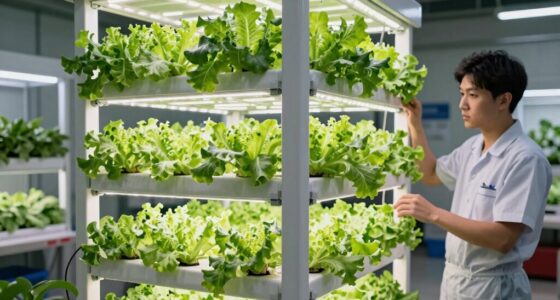
Growing plants hydroponically can be an exciting and educational experience for kids, providing a hands-on way to learn about science and sustainability. When you introduce children to hydroponic kits, you open the door to understanding how plants grow without soil, which can seem like magic at first. One of the key concepts to teach is that, unlike traditional gardening, hydroponics uses nutrient-rich water instead of soil types. While soil provides structure and nutrients for plants in conventional gardening, hydroponic systems rely on water and a carefully balanced mix of nutrients to support plant growth. This shift requires you to teach kids about water quality and nutrient solutions, emphasizing that plants still need the right environment to thrive.
Hydroponic gardening teaches kids about soil-free plant growth and the importance of water and nutrients.
A vital aspect of maintaining a successful hydroponic setup is understanding watering schedules. Unlike soil gardening, where watering can be more flexible, hydroponics demands consistent attention to water levels and nutrient delivery. Kids can learn to monitor water circulation and understand how often to add nutrients or top up the water reservoir. Regular checks help prevent issues like water stagnation or nutrient deficiencies, which can stunt plant growth or cause plants to wilt. Through this process, children grasp the importance of routine and careful observation, skills that are valuable beyond gardening.
Introducing children to the differences between soil types and the significance of watering schedules helps demystify plant growth and fosters a sense of responsibility. You can demonstrate how different plants may require varying watering frequencies or nutrient concentrations, depending on their needs. For example, leafy greens might need a different schedule than fruiting plants like tomatoes. This hands-on learning encourages kids to experiment and see firsthand how adjustments impact plant health. It’s an excellent way to promote problem-solving and critical thinking as they troubleshoot issues and optimize their hydroponic systems.
Furthermore, using hydroponic kits allows children to see rapid results compared to traditional gardening, making it easier for them to connect actions with outcomes. They’ll notice how consistent watering and proper nutrient management lead to healthier, faster-growing plants. This immediate feedback keeps young gardeners engaged and motivated to learn more about plant biology and sustainable practices. Additionally, understanding the importance of natural materials, such as wood or linen, in related contexts can help children appreciate the connection between eco-friendly practices and sustainable gardening. Overall, by understanding soil types (or the absence of them) and mastering watering schedules, kids gain a deeper appreciation for how plants grow and the importance of responsible stewardship of resources. It’s a fun, interactive way to nurture curiosity, teach science concepts, and promote environmental awareness—all within the comfort of a simple hydroponic kit.
hydroponic gardening kit for kids
As an affiliate, we earn on qualifying purchases.
As an affiliate, we earn on qualifying purchases.
Frequently Asked Questions
Are Hydroponic Kits Safe for Very Young Children?
Yes, hydroponic kits can be safe for very young children if you conduct a thorough hazard assessment and prioritize child safety. Look for kits with non-toxic materials, secure components, and age-appropriate designs. Always supervise your child during use and teach them about safe handling. Ensuring the kit is suitable for their age and closely monitoring their activity helps make gardening a safe, educational experience for your little one.
What Is the Ideal Age to Start Using Hydroponic Kits?
You can start using hydroponic kits with your child as young as 4 or 5, when their motor skills are developing like a small sapling reaching for the sun. Early childhood is an ideal time because kids are curious and enthusiastic to learn. Hands-on gardening helps improve fine motor skills, and hydroponic kits make it easy and safe for young children to nurture their green thumbs.
How Much Supervision Is Required for Kids Using These Kits?
You should supervise kids closely when they use hydroponic kits, especially younger children. The supervision requirements involve guiding them on safety precautions like handling tools carefully and avoiding spills. Keep an eye on their activities to prevent accidents and make sure they follow instructions properly. By staying engaged, you help foster safe, enjoyable gardening experiences, making it easier for kids to learn and develop confidence in caring for their plants.
Can Hydroponic Kits Be Used Indoors Year-Round?
Yes, you can use hydroponic kits indoors year-round for indoor gardening. They’re perfect for continuous cultivation, regardless of outdoor weather. With a bit of regular monitoring, you guarantee your kids’ plants thrive in the controlled environment. Since hydroponic systems don’t rely on soil, they’re low-maintenance and suitable for indoor spaces, making them ideal for teaching children about gardening throughout the year while creating a fun, educational experience at home.
What Are the Common Challenges Children Face With Hydroponic Gardening?
You might think kids will master hydroponic gardening instantly, but they often face huge hurdles like keeping the plant nutrient balance just right and water management. Sometimes, they overwater or forget to add nutrients, causing plants to wilt or stop growing altogether. These challenges can feel overwhelming, but with patience and guidance, children learn crucial skills and enjoy the rewarding experience of nurturing their own green oasis.
kids indoor hydroponic plant grow kit
As an affiliate, we earn on qualifying purchases.
As an affiliate, we earn on qualifying purchases.
Conclusion
Getting your kids started with hydroponic kits is a fun, educational way to nurture their love for gardening. Did you know that children who participate in gardening activities are 25% more likely to develop healthy eating habits? By introducing them to hydroponics, you’re not only teaching valuable skills but also inspiring a lifelong appreciation for nature and sustainability. It’s a simple, impactful way to grow curious, confident young gardeners right at home.
educational hydroponic system for children
As an affiliate, we earn on qualifying purchases.
As an affiliate, we earn on qualifying purchases.
Fall yard work Picks
leaf blowers
As an affiliate, we earn on qualifying purchases.