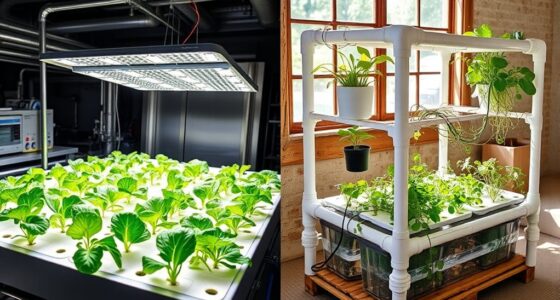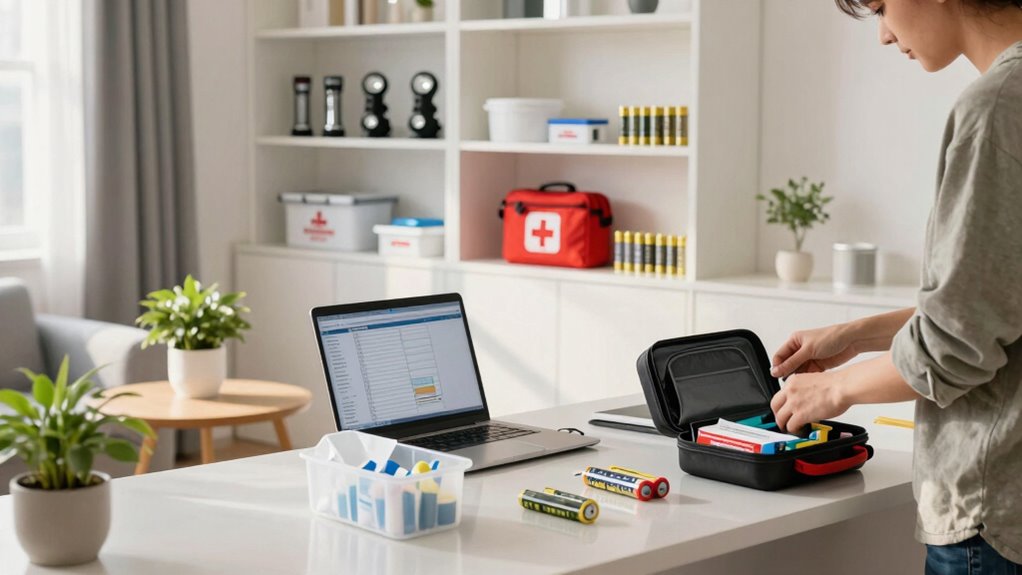

April is a great time to rebuild your indoor kit strategy because it aligns with the seasonal shift to outdoor activities and helps you prepare for upcoming projects. By reassessing supplies, checking expiration dates, and updating tools now, you prevent surprises later. Staying proactive ensures your kit supports spring tasks like gardening, repairs, and maintenance. Keep your supplies organized and current to boost efficiency—if you continue, you’ll discover how to perfect your approach even further.

Get garden gear delivered free — and shop member deals
- Fast, free delivery on millions of items
- Access to Prime Big Deal Days deals on October 6–7
- Prime Video, Amazon Music and more included
Key Takeaways
- April marks the start of spring, ideal for reassessing and updating supplies for upcoming outdoor maintenance needs.
- Rebuilding your indoor kit in April ensures preparedness for seasonal outdoor projects like pruning and planting.
- It’s a good time to check expiration dates and replace worn or outdated items before summer busy months.
- Updating your kit in April helps streamline workflows and prevents last-minute shortages during peak outdoor activity periods.
- Seasonal inventory management in April aligns indoor supplies with changing outdoor tasks, boosting efficiency and safety.

Are you ready to optimize your indoor kit strategy this April? This month presents a perfect opportunity to reassess and refresh your approach, especially as the seasons shift and your needs evolve. Spring often signals a change in outdoor activities and maintenance routines, making it an ideal time to reevaluate your seasonal inventory and ensure your indoor kit is aligned with upcoming outdoor maintenance tasks. By doing so, you’re setting yourself up for smoother operations and fewer surprises later in the year.
April’s milder weather means you can take a step back from harsh winter gear and start focusing on items suited for spring outdoor maintenance. Think about the tools, supplies, and safety equipment you’ll need for yard work, gardening, or outdoor repairs. If your current indoor kit doesn’t reflect these seasonal changes, now’s the time to adjust it. Updating your seasonal inventory ensures you won’t be caught off guard when outdoor tasks come up — whether it’s pruning, planting, or cleaning gutters. You want everything accessible and in good condition, so you can jump into outdoor maintenance without delay.
Update your indoor kit for spring outdoor tasks to stay prepared and efficient all season long.
Rebuilding your indoor kit strategy in April also involves a thorough review of your existing supplies. Check expiration dates on first aid kits, batteries, and any perishable items. Discard or replace what’s no longer usable. Consider whether your current setup accommodates new tools or equipment you might acquire for spring projects. Do you have enough disinfectants, hand tools, or protective gear? If not, this is the right moment to add those essentials. A well-organized, up-to-date kit minimizes frustration and makes outdoor maintenance tasks more efficient. Being aware of seasonal changes can help you better tailor your supplies to current needs. Additionally, understanding seasonal inventory management can improve your preparedness throughout the year.
This season is also perfect for planning ahead. Look at your upcoming projects and identify any gaps in your current inventory. Incorporate new items that could streamline tasks or improve safety. For example, if you’re planning to do more outdoor repairs, investing in durable gloves, protective eyewear, or specialized tools might be wise. Keep your indoor kit flexible, so it can adapt to different projects throughout the season. This proactive approach reduces the risk of delays and ensures you’re always prepared when outdoor maintenance calls for attention. Plus, anticipating seasonal needs can help prevent last-minute scrambles and ensure a smooth workflow.
Frequently Asked Questions
How Often Should I Update My Indoor Kit?
You should update your indoor kit at least once a year to guarantee peak indoor maintenance and kit customization. Regular updates help you replace expired or damaged items, incorporate new tools, and adapt to changing needs. By reviewing your kit annually, you stay prepared for emergencies and maintain efficiency. April’s a perfect time to reassess, refresh, and rebuild your indoor kit, so you’re ready for whatever comes next.
What Are the Latest Indoor Kit Technology Trends?
You should focus on the latest indoor kit technology trends, like smart device integration and improving indoor air quality. Smart devices now connect seamlessly with your smartphone, allowing real-time monitoring and control of air filters, humidifiers, and thermostats. Additionally, advanced air quality sensors detect pollutants and allergens, helping you maintain a healthier indoor environment. Staying updated with these innovations guarantees your indoor kit remains efficient and responsive to your needs.
How Do Seasonal Changes Affect Indoor Kit Needs?
During seasonal shifts, like spring, your indoor kit needs change due to climate impact. You might require lighter, more breathable equipment for warmer weather, and additional items to handle increased humidity or temperature fluctuations. As temperatures change, you adjust your kit to maintain comfort and safety, ensuring you’re prepared for unpredictable weather patterns. April, with its seasonal change, is the perfect time to reassess and rebuild your indoor kit accordingly.
Are There Eco-Friendly Options for Indoor Kits?
Yes, eco-friendly options for indoor kits are available. You can choose supplies made from sustainable materials like biodegradable plastics, recycled paper, or bamboo. Look for products with eco-friendly packaging that minimizes waste and reduces environmental impact. By selecting these greener alternatives, you help protect the planet while maintaining an effective indoor kit. Switching to sustainable materials and eco-friendly packaging is a simple, impactful way to make your kit more environmentally responsible.
What’s the Best Way to Organize Indoor Kit Components?
Like a master chef organizing their ingredients, you should use thoughtful storage solutions and clear labeling techniques to keep your indoor kit components tidy. Start by categorizing items—first aid, tools, emergency supplies—and store them in designated containers. Label each container with durable tags, ensuring quick access when needed. Regularly review and reorganize your setup, so your kit remains efficient and ready, just like a well-prepared kitchen before a big feast.
Conclusion
As April unfolds, it’s the perfect time to rethink your indoor kit strategy. You’ve laid the groundwork, but what’s next could change everything. Will you discover a new technique that boosts your game or find a hidden gem of equipment that transforms your setup? The possibilities are waiting just around the corner. Don’t miss out—your next big breakthrough could be closer than you think. Are you ready to take that leap?
Fall Picks
fall essentials
As an affiliate, we earn on qualifying purchases.