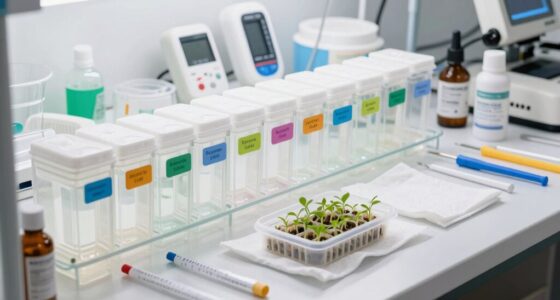
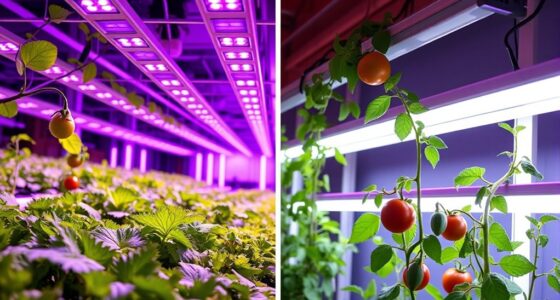
If you’re choosing between DIY and commercial hydroponic kits, consider your budget, skills, and how much customization you want. DIY kits are cheaper and let you tailor your system to fit your space and plants, but they may require more effort, troubleshooting, and maintenance. Commercial systems are easier to set up and maintain but come at a higher cost and less flexibility. Keep exploring to see which option best suits your goals and resources.
Key Takeaways
- DIY kits are more affordable but may require more technical skills and ongoing maintenance.
- Commercial systems are user-friendly, with pre-calibrated parts, making setup and operation easier.
- DIY setups offer high customization to fit specific plant needs and space constraints.
- Commercial kits generally require less troubleshooting and are designed for long-term ease of use.
- DIY allows creative integration of unique features, while commercial kits prioritize convenience and reliability.

If you’re considering growing plants without soil, DIY hydroponic kits offer an accessible way to get started. These kits are appealing because they allow you to dive into hydroponics without a hefty investment upfront. One of the main advantages is cost efficiency. Unlike commercial systems, which can be pricey due to branding and pre-made components, DIY kits let you source parts and build your setup at a lower cost. You can often reuse or repurpose household items, substantially reducing expenses. This affordability makes hydroponics more accessible, especially if you’re just starting out or experimenting with different plants. Additionally, DIY kits give you full control over how you assemble your system, which brings us to another key benefit: customization options. When you build your own setup, you can tailor it to fit your available space, specific plant needs, or personal preferences. Whether you want a small countertop setup for herbs or a larger system for vegetables, you can design it precisely to your liking. Customization also extends to choosing the type of grow medium, lighting, and nutrient delivery methods, giving you the flexibility to optimize growth conditions for your crops. Moreover, DIY hydroponic systems can incorporate beneficial ingredients like collagen and hyaluronic acid, which are often associated with skincare but can be adapted into nutrient solutions for plant health in some innovative setups.
However, there are some challenges to consider. DIY hydroponic kits require a certain level of skill and patience, especially if you’re new to hydroponics. You may need to troubleshoot issues like water circulation, pH balancing, or nutrient delivery, which can be intimidating if you’re unfamiliar with the mechanics. While they’re generally cheaper upfront, DIY systems might demand more maintenance and adjustments over time, potentially increasing long-term costs if not set up correctly. On the other hand, commercial hydroponic kits are designed for ease of use and come with detailed instructions, making them more user-friendly, especially for beginners. They often incorporate pre-calibrated components that reduce the risk of errors and save you time. But these advantages come with higher price tags, which can be a deterrent if you’re on a tight budget. Commercial systems might also limit your customization options, offering pre-made configurations that may not perfectly suit your space or plant choices.
Ultimately, choosing between DIY and commercial hydroponic kits boils down to your budget, technical comfort level, and how much you want to personalize your setup. If you’re looking for affordability and creative control, building your own system can be rewarding and economical. But if convenience and reliability are your priorities, a commercial kit might be the better choice.

Ahopegarden Indoor Garden Hydroponics Growing System: 10 Pods Kit with LED
- High Planting Efficiency: Faster, healthier growth with hydroponic system
- 10 Pods & Water Level Window: Includes 10 planting stations and water indicator
- Dual Growing Modes: Switch between vegetable and flower/fruit lighting
As an affiliate, we earn on qualifying purchases.
As an affiliate, we earn on qualifying purchases.
Frequently Asked Questions
How Do DIY Kits Compare in Durability to Commercial Options?
DIY kits often have varying durability compared to commercial options, mainly due to material quality and design. If you choose high-quality materials and pay attention to assembly, your DIY setup can be quite durable. However, commercial kits usually feature better longevity factors, as they’re built with standardized, high-grade components designed for long-term use. So, your DIY system’s durability depends on your choice of materials and craftsmanship.
Are DIY Kits Suitable for Large-Scale Hydroponic Farming?
DIY kits aren’t ideal for large-scale hydroponic farming due to scale limitations; they often lack the robustness and scalability needed for bigger operations. While they can be cost-efficient initially, managing multiple DIY systems becomes labor-intensive and complex. If you’re aiming for a commercial farm, investing in commercial kits or custom systems offers better durability and efficiency, ultimately saving you time and money in the long run.
What Safety Concerns Are Associated With Homemade Hydroponic Systems?
Think of your homemade hydroponic system as a carefully balanced boat—any leak or spark can cause trouble. You should watch for chemical leaks that might contaminate your plants and pose health risks. Electrical hazards are also a concern, especially if wiring isn’t properly insulated or grounded. Always double-check your connections and handling of chemicals to keep your system safe and your crops thriving.
Can DIY Kits Be Customized for Different Plant Types?
Yes, DIY kits can be customized for different plant types, giving you greater plant customization options. You can adjust the system to meet specific needs, such as varying nutrient levels or light exposure, enhancing system flexibility. This allows you to optimize conditions for herbs, vegetables, or flowers. With a DIY approach, you have the freedom to modify your setup, ensuring it best suits the unique requirements of each plant you want to grow.
How Do Maintenance Requirements Differ Between DIY and Commercial Kits?
You’ll find that DIY hydroponic kits often require more hands-on maintenance and technical complexity, as you need to monitor and adjust systems regularly for ideal performance. While they can be more cost-efficient upfront, they demand ongoing effort and troubleshooting. Commercial kits generally offer lower maintenance needs, since they’re designed for ease of use, reducing technical complexity, but may come with higher initial costs.
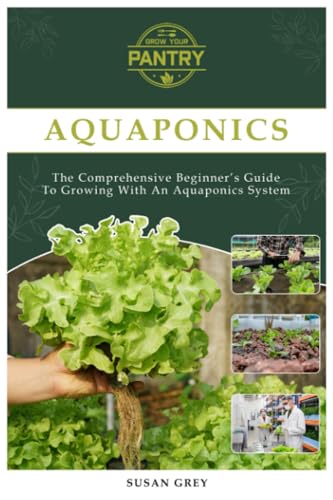
Aquaponics: For Beginners Your Complete Guide To Growing With An Aquaponics System (Growing fish and vegetables at home, commercial, homesteading, designing, aquarium, DIY, plants, hydroponics)
As an affiliate, we earn on qualifying purchases.
As an affiliate, we earn on qualifying purchases.
Conclusion
Choosing between DIY and commercial hydroponic kits really boils down to what suits your skills and goals. While DIY kits offer a sense of pride and customization, they can also be a steep learning curve. Commercial kits provide convenience and reliability, but might feel less personal. Remember, sometimes you need to bite the bullet and go for what makes your heart sing—after all, the journey to fresh, homegrown produce is worth every effort.

Liquid Plant Food – Fertilizer for AeroGarden & Hydroponic Systems, 8 oz
- Compatible with AeroGarden systems: Supports AeroGarden and similar units
- Promotes healthy plant growth: Encourages steady growth and strong roots
- Balanced hydroponic nutrients: Provides essential nutrients for indoor hydroponic plants
As an affiliate, we earn on qualifying purchases.
As an affiliate, we earn on qualifying purchases.

Barrina T5 Grow Lights for Indoor Plants, 5000K Full Spectrum, 1FT, 4 Packs
- Full Spectrum Light: Provides 5000K full-spectrum illumination
- High Brightness & PPFD: Consumes 20W, delivers high light absorption
- Separate Control: Individual on/off switches for each light
As an affiliate, we earn on qualifying purchases.
As an affiliate, we earn on qualifying purchases.