TL;DR
Chop and drop is a gardening method of cutting suitable plants into short pieces and leaving the material on the bed rather than hauling it away. The Homes and Gardens report says it can reduce cleanup, add organic matter and provide wildlife shelter, while warning that the layer may look messy or shelter slugs and snails.
A Homes and Gardens report describes chop and drop—cutting suitable garden plants into small pieces and leaving them on the bed—as a way to reduce seasonal cleanup while returning organic material to the soil. The method can save trips to and from a compost pile, though the report cautions that cuttings may make beds look untidy and can shelter slugs and snails.
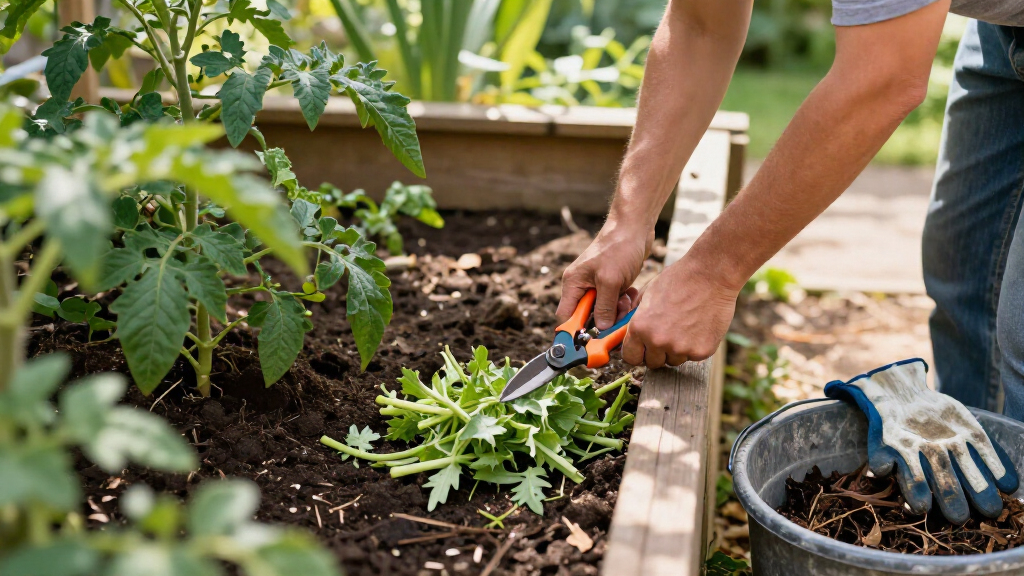
The method replaces one step in the usual cleanup routine: instead of collecting cuttings for a compost heap and later bringing finished compost back to the bed, gardeners leave selected plant debris where it was cut. The report says the material should be chopped into roughly 2- to 4-inch pieces, which look neater than long stems and break down more quickly. Sharp pruning shears or hedge shears can be used, depending on the plants being cut.
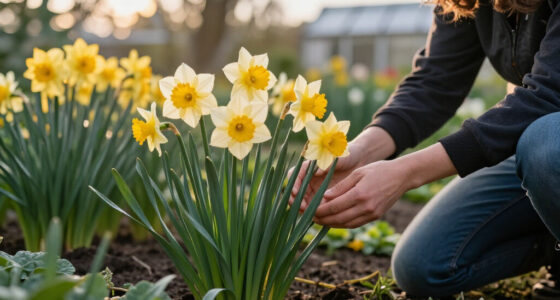
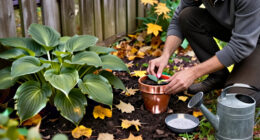
Homes and Gardens says the approach can be used when cutting back perennials in fall or spring, during a late-spring trim known as the Chelsea Chop, and when deadheading flowers in summer. It recommends herbaceous perennials and ornamental grasses, naming hardy geraniums, catmint, astilbe, aster, phlox and persicaria as examples. The report advises against hostas and agapanthus because their cuttings may turn into a slimy layer.
The reported benefits are practical as well as horticultural: leaving clippings on the bed avoids handling them twice, while the material decomposes in place. The report says worms, fungi and microbes help break it down, adding organic matter over time. It also says a surface layer can help protect soil from erosion, limit moisture loss and provide shelter for insects and other wildlife. These are general gardening benefits described by the source, not quantified results from a trial.
Less Hauling, More Soil Cover
The appeal is a shorter route from pruning to mulching: gardeners can leave appropriate cuttings in place rather than moving them to a compost heap and later returning compost to the same bed. That may reduce labor and the number of wheelbarrow trips, especially during a major seasonal clear-up. The method also keeps plant matter on site, where it can gradually become organic material in the soil.
Leaving a cover on the ground may also help keep soil from being exposed to heavy rain, wind and evaporation, according to the report. In winter, plant debris can offer wildlife shelter; in warmer periods, a surface layer may reduce moisture loss. These outcomes depend on the garden, the plant material and how it is used. Chop and drop is not a guarantee of improved soil or reduced watering, and the source gives no measured comparisons.
There is a trade-off in appearance and pest management. A bed covered in cuttings may not suit gardeners who prefer a tidy finish, and the material can create hiding places for slugs and snails. The technique is therefore best treated as a selective option, rather than a rule to leave every kind of garden debris in place.
As an affiliate, we earn on qualifying purchases.
A Shortcut to In-Place Composting
Traditional seasonal cleanup often means cutting plants back, gathering the debris, and either disposing of it or composting it before using the finished material as mulch. Chop and drop changes that sequence by putting suitable cuttings directly on the soil. Homes and Gardens presents it as a simple alternative for herbaceous perennials, annuals and grasses, with use across different garden sizes.
The practice can be timed around routine cutting rather than a single annual task. The report mentions fall cutbacks, spring pruning, the Chelsea Chop in late spring, and summer deadheading. Its guidance focuses on plant debris that can break down on a bed; it does not provide a full list of materials that should be excluded or detailed instructions for every climate and garden condition.
As an affiliate, we earn on qualifying purchases.
Plant Choice and Pest Risks
The source is a practical gardening report, not a controlled study. It does not quantify how much time gardeners save, how quickly different cuttings decompose, or the effect on soil nutrients, drainage or water use. Those outcomes will vary with the material, weather and site conditions.
The report flags slugs and snails as potential drawbacks but does not assess how often they gather under cuttings or offer a threshold for when the risk outweighs the benefits. It also provides no detailed guidance on diseased plants, seed-bearing weeds or other material that gardeners may not want to leave on a bed. The suitability of a plant and the appearance of the finished bed remain decisions for the gardener.
As an affiliate, we earn on qualifying purchases.
Start With Suitable Cuttings
Gardeners considering the method can begin during their next routine pruning or deadheading session, using healthy, suitable plant material and cutting stems into short pieces. The report’s examples include hardy geraniums, catmint, astilbe, aster, phlox and ornamental grasses; it advises avoiding hostas and agapanthus. Checking the bed afterward for pests and whether the layer is acceptable visually can help determine whether to continue.
For more substantial seasonal cutbacks, the report suggests using sharp pruning tools and spreading the pieces across the soil rather than leaving long stems in piles. The next step is simply to observe how the material breaks down and how the bed responds. The source gives no specific follow-up date or measurement for judging results, so there is no formal milestone beyond ongoing garden maintenance.
As an affiliate, we earn on qualifying purchases.
Key Questions
What does chop and drop mean?
It means cutting suitable plants and leaving the cuttings on the soil where they grew, instead of carrying them away for composting or disposal.
How small should the cuttings be?
The Homes and Gardens report recommends cutting stems into about 2- to 4-inch pieces. Shorter pieces look neater and, according to the report, break down faster than long stems.
Which plants does the report recommend?
Its examples include hardy geraniums, persicaria, catmint, astilbe, aster, phlox and ornamental grasses. It advises against hostas and agapanthus because their cuttings can become slimy.
Can chop and drop attract garden pests?
It can provide hiding places for slugs and snails, one of the drawbacks identified in the report. Check the bed after applying cuttings and consider whether the cover is causing a problem in your garden.
Does chop and drop improve soil or reduce watering?
The report says decomposing cuttings add organic matter and that a surface layer may reduce moisture loss. It does not provide measured results, so the degree of any soil or watering benefit is not quantified and may vary by garden.
Source: rss