
TL;DR

Get garden gear delivered free with Prime
- Fast, free delivery on millions of items
- Prime Video, Amazon Music and more included
- Member-only deals all year
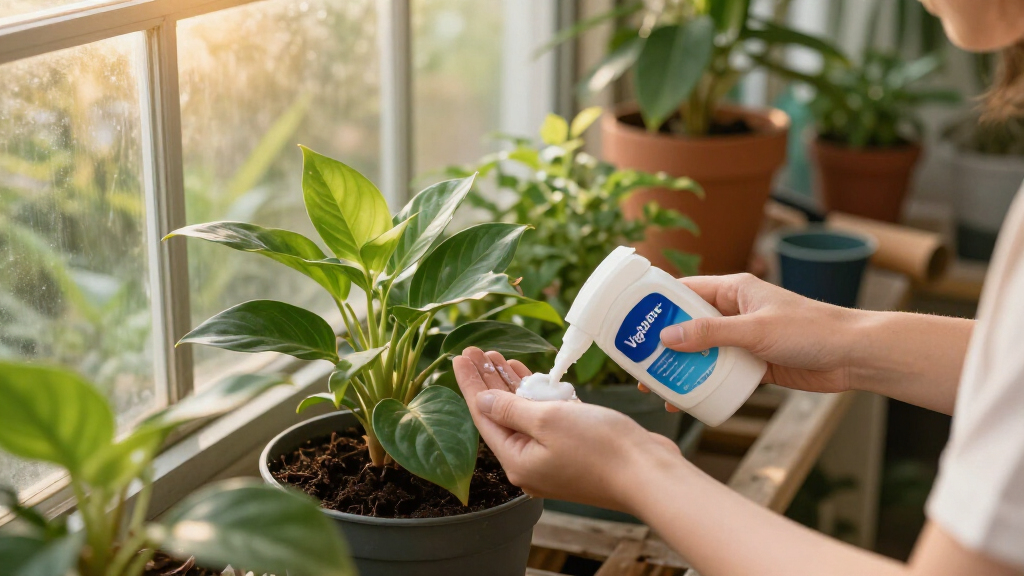
Search interest in using Vaseline on houseplants is rising this fall, as gardeners explore its potential to deter pests. Experts confirm Vaseline can be an effective, low-cost pest control method, but full scientific validation is still pending.
Growing online searches and social media posts highlight a rising trend: using Vaseline on houseplants to prevent pest infestations this fall. While no official scientific endorsement exists, many gardeners are sharing how petroleum jelly can serve as a simple, accessible pest barrier, making it a popular topic among plant enthusiasts. What Backyard Birds Need In September—a helpful guide for fall garden planning.
The trend appears to originate from anecdotal reports and user-generated content suggesting that applying Vaseline to plant stems, pots, or soil can deter pests such as aphids, mealybugs, and spider mites. Don’t Ignore Mums In July, It’s When Fall Flowers Form—a reminder that fall gardening tasks are crucial for plant health. These pests are common during the fall, when indoor plants become more vulnerable as temperatures drop and pests seek shelter indoors.
Experts note that Vaseline, a petroleum-based product, can create a physical barrier that pests find difficult to cross. Several gardening communities and social media influencers have shared step-by-step guides, emphasizing that Vaseline is inexpensive, readily available, and easy to apply. Do You Know The September Stagger?—a pruning trick to prepare your garden for fall.
However, no peer-reviewed scientific studies have yet confirmed Vaseline’s effectiveness or safety for houseplants, and some horticulturists caution that improper use could potentially harm plant stems or soil health if applied excessively or improperly.
Implications of Vaseline Use for Houseplant Pest Control
This trend matters because it reflects a broader shift toward DIY, low-cost pest management solutions among indoor gardeners, especially as pest issues increase during fall. If validated, Vaseline could become a simple, chemical-free method for preventing pest infestations, reducing reliance on pesticides.
Additionally, understanding whether Vaseline is safe and effective could influence future gardening advice and product development, especially for eco-conscious consumers seeking natural pest barriers. However, the lack of scientific validation means gardeners should exercise caution and monitor their plants closely.
Products Worth Considering

Orbit B-hyve Smart Indoor/Outdoor 12-Zone Sprinkler Controller

Orbit B-hyve XR Smart Indoor/Outdoor Sprinkler Controller, 16 Zones
Orbit B-hyve XR 8-Zone Indoor/Outdoor Smart Sprinkler Controller
As an affiliate, we earn on qualifying purchases.
Rise of DIY Pest Control Methods in Indoor Gardening
Over recent years, there has been a surge in DIY pest control techniques shared online, driven by increased interest in organic and chemical-free gardening. Fall, in particular, sees a spike in pest activity as indoor plants are moved indoors and pests seek shelter.
The current trend of using Vaseline is part of this broader movement, with social media platforms and gardening forums highlighting its potential. Historically, physical barriers like sticky tapes and barriers have been used, but Vaseline’s widespread availability makes it an attractive alternative.
While anecdotal reports are plentiful, scientific research on Vaseline’s efficacy remains limited, making this a developing story in the gardening community.
Unconfirmed Effectiveness and Safety of Vaseline on Plants
It is not yet clear whether Vaseline reliably prevents pests without harming plants or soil health. Scientific studies are lacking, and some experts warn that improper application could cause stem damage or soil issues. The trend remains anecdotal, and formal research is needed to confirm claims.
Monitoring Scientific Research and Gardener Experiences
Researchers and horticulturists are expected to conduct studies testing Vaseline’s efficacy and safety in pest control. Meanwhile, gardeners are advised to observe their plants closely if they choose to try this method, applying Vaseline carefully and sparingly. Updates on scientific findings and user reports will shape future recommendations.
Key Questions
Can Vaseline harm my houseplants?
Potentially, if applied excessively or on sensitive stems, Vaseline could cause damage or interfere with plant respiration. Use sparingly and avoid covering entire stems or roots.
Is Vaseline safe for indoor plants?
There is no conclusive scientific evidence. While many users report success, caution is advised, and it’s best to test on a small area first.
How do I apply Vaseline to protect my plants?
Apply a thin layer around stems, especially at the base, or create a barrier on pots or soil surface. Avoid excessive use, and monitor plant health regularly.
Are there alternative pest control methods I should consider?
Yes, physical barriers, natural predators, and organic sprays are established methods. Consult gardening experts for tailored advice based on your plants and pest issues.
Source: rss