
TL;DR

Get garden gear delivered free with Prime
- Fast, free delivery on millions of items
- Prime Video, Amazon Music and more included
- Member-only deals all year
Garden experts advise homeowners to focus on five key tasks in July to support fall flower development, especially mums. Proper care now can lead to a vibrant autumn display, making July a critical month for gardeners.
Gardeners are being urged to prioritize five simple tasks in July to ensure their mums and other fall flowers develop fully, including cutting back these flowers in July. Experts emphasize that neglecting these steps now can result in fewer blooms come autumn, making July a pivotal month for fall garden success. For specific pruning tips, see how to cut back flowers in July.
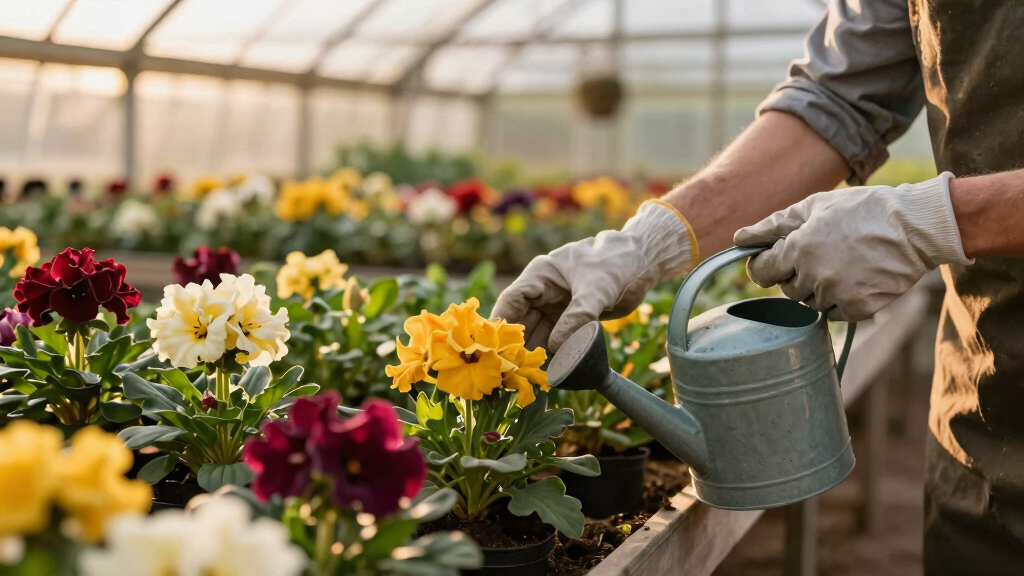
According to horticultural specialists, July is a critical period for supporting the growth of fall flowers, especially chrysanthemums (mums). During this month, plants establish their buds and prepare for flowering, so proper care is essential. The recommended tasks include watering adequately, pinching back new growth, fertilizing appropriately, controlling pests, and mulching to protect roots. These steps are confirmed by gardening authorities as effective in promoting larger, healthier blooms in the fall.
Experts from the National Garden Association note that neglecting these tasks can lead to smaller, fewer flowers or even missed blooming seasons. The advice applies broadly to gardeners aiming for a vibrant autumn display, emphasizing that the effort now pays off later. Consider this guide on flower pruning in July for more details.
Why July Garden Care Directly Affects Fall Flower Abundance
This focus on July tasks is significant because it directly influences the size, health, and number of fall flowers, especially mums, which are popular for autumn gardens. Proper care during this period ensures plants are well-established and capable of producing a full, colorful display. For homeowners and landscapers, this means a more visually appealing garden and potentially increased property value. Additionally, understanding these care routines can help gardeners avoid disappointment in their fall blooms.
Products Worth Considering

Greenworks 40V 12-Inch Cordless Chainsaw with 2.0Ah Battery and Charger

EVERECO Polycarbonate Greenhouse Panels, 8 ft × 4 ft × 0.24 in, 6-Pack

Rachio 3 Smart Sprinkler Controller, 16 Zones
As an affiliate, we earn on qualifying purchases.
July as a Key Growth Period for Fall Flowers
Historically, gardeners have recognized July as a vital month for preparing plants for fall flowering. Mums, in particular, develop their buds in late summer, making timely care crucial. Previous seasons have shown that neglecting maintenance tasks during this window results in poorer bloom quality. Experts have long advised consistent watering, pinching, and fertilizing in July to support optimal growth. Recent studies reinforce that these practices influence flower size and longevity.
Uncertainties About Specific Timing and Techniques
While experts agree on the importance of July care, there is some variation in the specific timing and methods recommended for different regions and plant varieties. It is not yet clear whether all gardeners should follow identical routines or adapt based on local climate conditions. Further research is needed to refine precise guidelines for optimal results across diverse gardening contexts.
Next Steps for Gardeners Preparing for Fall Blooms
Gardeners should implement the five recommended tasks immediately and monitor their plants for signs of health or stress. As July progresses, continuing proper watering, fertilization, and pest control will be key. Experts suggest that by late July to early August, gardeners should evaluate their progress and adjust care routines accordingly. This proactive approach will help ensure a lush, colorful fall display.
Key Questions
What are the five tasks I should do in July to support fall flowers?
The five key tasks are: 1) Watering adequately, 2) Pinching back new growth, 3) Fertilizing appropriately, 4) Controlling pests, and 5) Mulching to protect roots.
Why is July the most important month for fall flower preparation?
Because during July, plants develop their buds and establish the foundation for flowering, making proper care essential for achieving healthy, abundant blooms in autumn.
Can neglecting July tasks affect my fall flowers?
Yes, neglecting these tasks can lead to smaller, fewer, or delayed blooms, reducing the visual impact of your fall garden.
Are these recommendations suitable for all regions?
While the general principles apply broadly, specific timing and techniques may vary based on local climate and plant varieties. Gardeners should adapt advice accordingly.
When should I start seeing results from these July tasks?
Most gardeners can expect to see improved growth and larger flowers by late summer or early fall, with full bloom display occurring in September or October.
Source: rss