
TL;DR
October care can help a Thanksgiving cactus prepare to flower as nights lengthen and temperatures cool. The source recommends bringing outdoor plants inside before cold weather, providing bright indirect light and long uninterrupted nights, watering according to soil moisture, and avoiding major pruning or unnecessary moves once buds appear.
A Homes & Gardens report recommends seven October care steps for Thanksgiving cacti, including moving outdoor plants inside before cold weather, giving them bright indirect light and long, dark nights, and avoiding excess water or disturbance. The advice is intended to support bud formation and reduce the risk of buds dropping before the flowers open, much like this September care step for Thanksgiving cacti.

Get garden gear delivered free with Prime
- Fast, free delivery on millions of items
- Prime Video, Amazon Music and more included
- Member-only deals all year
For plants that spent summer outside, the report advises bringing them indoors before nights become too cold rather than waiting for the first frost. The tropical cactus is not suited to freezing conditions. Before moving it near other houseplants, inspect its stems and soil for aphids, mealybugs and spider mites. The report says to follow product labels if treating pests and to keep a treated plant apart from others until the infestation is gone.
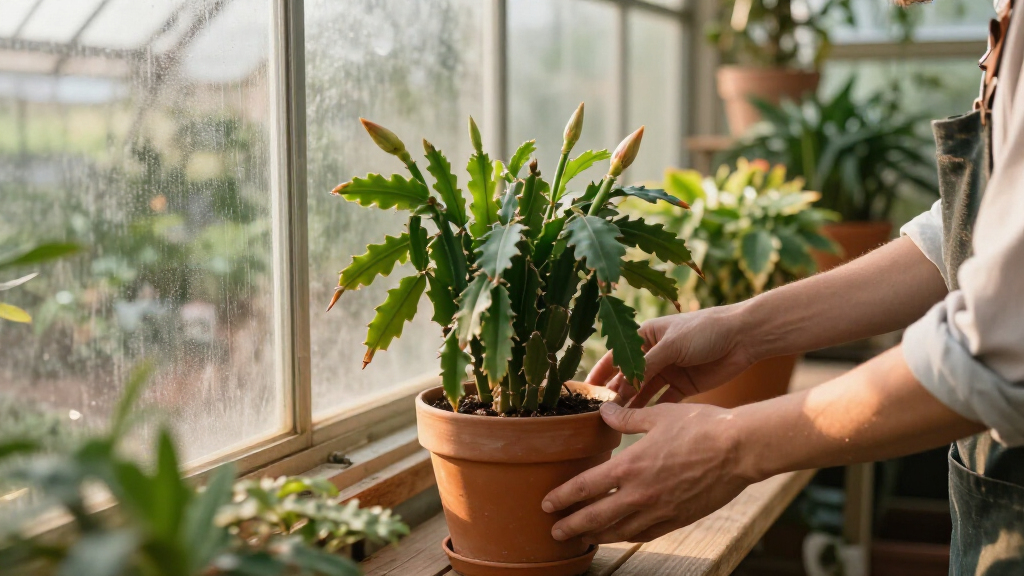
Indoors, place the cactus in bright, indirect light: an east-facing window is one suggested spot, while strong sun through south- or west-facing windows can be filtered. The report also recommends giving the plant at least 12 hours of uninterrupted darkness each night for several weeks to encourage bud formation, and keeping it away from lamps after sunset.
Water when the surface of the potting mix has started to dry, then let excess water drain and empty the saucer. The report cautions that reduced daylight and cooler indoor conditions may slow water use. It also advises against major pruning and routine feeding in October; remove only dead, damaged or diseased segments, and save substantial pruning until after flowering. Once buds appear, avoid moving the plant unnecessarily, since the report says changes can contribute to bud drop.
October Care Can Protect Buds
October is a practical time to adjust care because outdoor temperatures and daylight are changing. Bringing a plant in before cold weather can protect it from freezing, while consistent light, darkness and watering conditions may support its move from summer growth toward flowering. These steps also address common risks: waterlogged soil, insufficient darkness and sudden changes in a plant’s location.
The guidance is especially relevant to people who moved their cactus outdoors for summer. Once buds form, keeping conditions steady may matter more than adding extra care. The report offers general gardening advice, not a guarantee of a particular number of blooms; results depend on the plant and its growing conditions.
Products Worth Considering

Orbit B-hyve XD 4-Port Smart Hose Watering Timer with Wi-Fi Hub

Orbit B-hyve 12-Zone Indoor/Outdoor Wi-Fi Sprinkler Controller

Orbit B-hyve XR 8-Zone Indoor/Outdoor Smart Sprinkler Controller
As an affiliate, we earn on qualifying purchases.
Seasonal Cues for Holiday Cacti
Thanksgiving cacti are tropical plants, unlike desert cacti, and the report describes shorter days and cooler nights as seasonal cues for flower-bud formation. In much of the United States, those changes become more apparent in October, but local temperatures differ. Gardeners in warmer regions may keep plants outdoors longer, provided they watch the forecast for sudden cold.
The source’s seven-step guidance also includes leaving the plant undisturbed after buds appear. Its supplied excerpt ends during that instruction and does not give the full wording of all seven steps. The article’s detailed advice therefore reflects the steps present in the available source text rather than adding unsupported care instructions.
““the soil, not the calendar, should tell you when it’s time””
— Homes & Gardens report
Bloom Results Depend on Conditions
The report does not provide a guaranteed bloom count or quantify how much these steps increase flowering. It also does not specify a single safe outdoor temperature for every location; local weather, the plant’s condition and the timing of bud formation can vary. Its recommendation to provide at least 12 hours of darkness is general guidance, not a promise that a plant will bloom on a particular schedule.
The source excerpt is incomplete: it introduces a seventh step about leaving the plant alone once buds appear, but cuts off before the full explanation. The available material supports avoiding unnecessary movement after buds form, but does not establish additional details beyond that advice.
Watch Weather and Bud Development
Over the coming weeks, check local night-time forecasts if the cactus is still outdoors, and bring it inside before temperatures become too cold. Indoors, maintain a steady place with bright daytime light and long, uninterrupted nights. Check the soil before watering, inspect for pests after bringing the plant in, and avoid major pruning or unnecessary relocation as buds develop.
Once flowering ends, the report’s guidance points to a more suitable time for substantial pruning. The exact bloom date and number of flowers remain dependent on the plant and its conditions.
Key Questions
When should I bring a Thanksgiving cactus indoors?
Bring it inside before nights become too cold and well before frost or freezing conditions. Watch your local forecast, since the timing varies by region.
How much darkness does it need to form buds?
The report recommends at least 12 uninterrupted hours of darkness each night for several weeks. Keep the plant away from artificial light after sunset.
How often should I water it in October?
Do not rely on a fixed calendar. Check the potting mix and water when its surface has started to dry, allowing excess water to drain and emptying the saucer.
Should I prune or fertilize it before it flowers?
The report advises against substantial pruning and routine feeding in October. Remove dead, damaged or diseased sections if needed, and save major pruning for after flowering.
Why should I avoid moving it after buds appear?
The report warns that unnecessary changes in location can contribute to bud drop. Once buds are visible, keep the plant in a stable spot with consistent care.
Source: rss