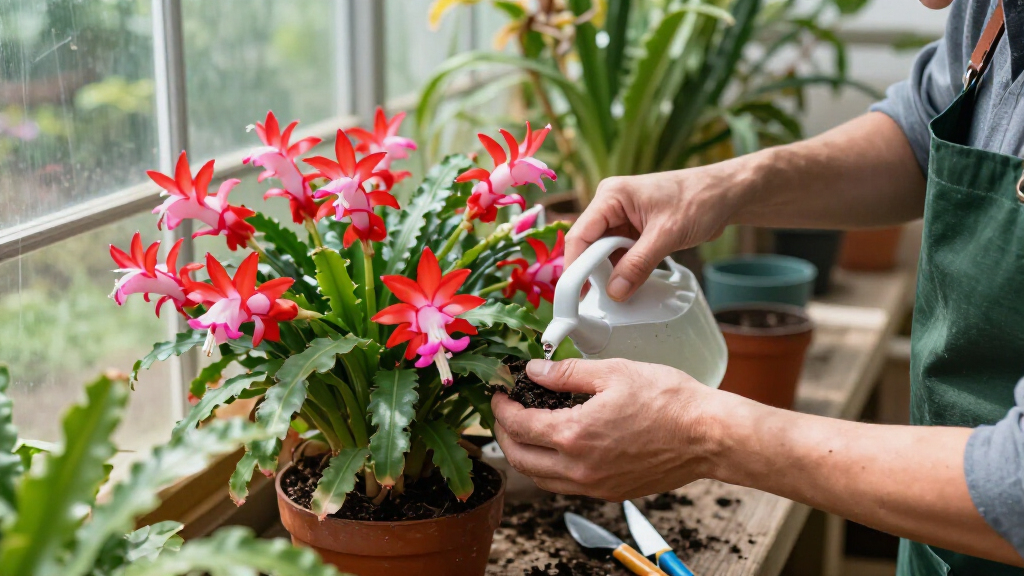
TL;DR
Gardeners seeking a flowering Thanksgiving cactus should perform a specific care task in September. Experts suggest that this one job is crucial for encouraging blooms in time for the holidays. Search interest in this topic is rising, but the exact timing and method remain based on gardening advice rather than official announcements.
Gardening experts advise that to have a Thanksgiving cactus covered in flowers by the holiday season, gardeners must perform a specific care task in September. This advice is gaining popularity among plant enthusiasts, as search interest in blooming Thanksgiving cacti peaks during late summer and early fall. You can learn more about this process in our Christmas Cactus care guide.

Get garden gear delivered free with Prime
- Fast, free delivery on millions of items
- Prime Video, Amazon Music and more included
- Member-only deals all year
The key to encouraging a Thanksgiving cactus to bloom in late November or early December is to control its light exposure and temperature during September. Experts recommend providing the cactus with 12-14 hours of darkness each night starting in early September, combined with daytime temperatures between 65-70°F (18-21°C). This period of darkness mimics the plant’s natural winter dormancy cues, stimulating flowering.
While the exact timing may vary slightly depending on the plant’s environment and health, most horticulturists agree that this dark period is essential for triggering the flowering process. The practice involves covering the cactus with a dark cloth or placing it in a dark room at night, ensuring no light pollution interferes with the process. For detailed steps, see what a Christmas cactus needs in September. During the day, it should be exposed to bright, indirect sunlight or artificial grow lights.
In addition to light management, proper watering and fertilization are important. The plant should be watered sparingly during this period, allowing the soil to dry out slightly between waterings. A balanced, low-nitrogen fertilizer applied monthly can support healthy growth without delaying blooming.
This technique is not new but has seen a resurgence in online gardening communities, with many amateur and professional gardeners sharing their experiences and success stories. However, there is no official scientific study confirming this method; it remains based on traditional horticultural advice and anecdotal evidence.
Why September Care Is Key for Holiday Blooms
This advice matters because a well-timed effort in September can ensure that a Thanksgiving cactus blooms in time for the holiday gatherings, enhancing its ornamental appeal. For many gardeners, achieving a colorful display is a matter of pride and adds to the festive atmosphere. Additionally, understanding the plant’s dormancy and flowering cues can improve overall care and health of the cactus beyond just seasonal blooming.
Since the practice is rooted in traditional horticulture, it underscores the importance of understanding plant biology and seasonal cues. For novice gardeners, following these steps can lead to more successful flowering and healthier plants, reducing the guesswork involved in cactus care.
Products Worth Considering

Orbit B-hyve XR 16-Zone Indoor/Outdoor Smart Sprinkler Controller
Orbit B-hyve XR 8-Zone Indoor/Outdoor Smart Sprinkler Controller

Orbit B-hyve 12-Zone Indoor/Outdoor Wi-Fi Sprinkler Controller
As an affiliate, we earn on qualifying purchases.
Traditional Techniques for Blooming Thanksgiving Cactus
The Thanksgiving cactus (Schlumbergera truncata) is a popular houseplant known for its vibrant, tubular flowers that bloom in late fall. Its flowering is triggered by a combination of light, temperature, and dormancy cues, similar to other short-day plants.
Historically, gardeners have used the practice of providing extended darkness during fall to induce blooming. This method involves covering the plant at night starting in September or early October, mimicking the shorter daylight hours of winter. The approach has been passed down through gardening communities and is often recommended in horticultural guides.
Recent online interest in this technique has surged, especially as more people seek ways to ensure their holiday plants bloom on schedule. While some commercial growers may use controlled light environments, most home gardeners rely on the simple method of darkness and temperature management.
There are no recent scientific studies specifically validating this method, but it aligns with known plant photoperiodism principles. The effectiveness of the technique can vary based on the plant’s age, health, and environmental conditions.
Unconfirmed Evidence and Variations in Practice
While traditional advice supports the importance of darkness and temperature control, there is no recent scientific research conclusively proving that this method guarantees blooming. Variations in plant health, environmental conditions, and timing can influence results. Some experts suggest that other factors, such as fertilization and watering, also play roles, but their relative impact remains less clear.
Additionally, the optimal duration of darkness and exact temperature ranges may differ among individual plants, and some sources recommend slightly different approaches. The reliance on anecdotal evidence and traditional practices means that results can vary, and more scientific studies are needed to confirm the best method.
Next Steps for Gardeners Preparing for Holiday Blooms
Gardeners aiming for a flowering Thanksgiving cactus should begin implementing darkness and temperature control measures in early September. Monitoring the plant’s response over the following weeks will help determine if adjustments are needed. Success stories and shared experiences in gardening forums suggest that consistent application of these practices can yield positive results.
By late October or early November, gardeners should observe whether buds are forming. If flowering does not occur, some may need to repeat the process or adjust light and temperature conditions. Ongoing research and shared gardening tips will continue to refine these techniques.
For best results, gardeners should also ensure proper watering, fertilization, and overall plant health during this period. Consulting local gardening resources or extension services can provide tailored advice based on regional climate conditions.
Key Questions
When should I start the darkness treatment for my Thanksgiving cactus?
Most experts recommend starting the dark treatment in early September, about 6-8 weeks before the expected bloom time in late November or early December.
How long should I keep my cactus in darkness each night?
Typically, 12-14 hours of uninterrupted darkness each night is advised to mimic winter dormancy cues. Using a dark cloth or placing the plant in a dark room can help achieve this.
Can I use artificial lights instead of darkness?
Artificial lights should be avoided during the dark period, as they can interfere with the plant’s flowering cues. Complete darkness is preferred for the recommended duration.
What other care tips can help my cactus bloom?
Ensure proper watering—allow the soil to dry slightly between waterings—and fertilize with a low-nitrogen formula monthly. Maintaining temperatures between 65-70°F (18-21°C) during this period also supports blooming.
Is this method suitable for all Thanksgiving cacti?
While most Schlumbergera truncata varieties respond well, individual plant health and environment can influence results. It’s best to start early and observe your plant’s response.
Source: rss