TL;DR
Gardeners are experiencing increased plant damage from pests. This article explains how to identify signs of pest activity on leaves and provides effective strategies to eliminate the culprits quickly.
Gardeners are facing increased instances of leaf damage on their plants, caused by various pests such as insects, caterpillars, and mites. Experts emphasize the importance of early identification to prevent further damage and protect plant health.
Confirmed reports from horticultural experts indicate that pest activity is responsible for widespread leaf damage across residential gardens and urban landscapes. Common signs include chewed edges, holes, stippling, or webbing on leaves. Identifying the specific pest involved is crucial for effective treatment. Experts recommend inspecting plants closely, especially on the undersides of leaves, where pests often hide. Once identified, gardeners can use targeted organic or chemical controls to eliminate the pests. The increase in plant damage has prompted local extension services to issue advice on pest management, emphasizing quick action to prevent infestations from spreading.
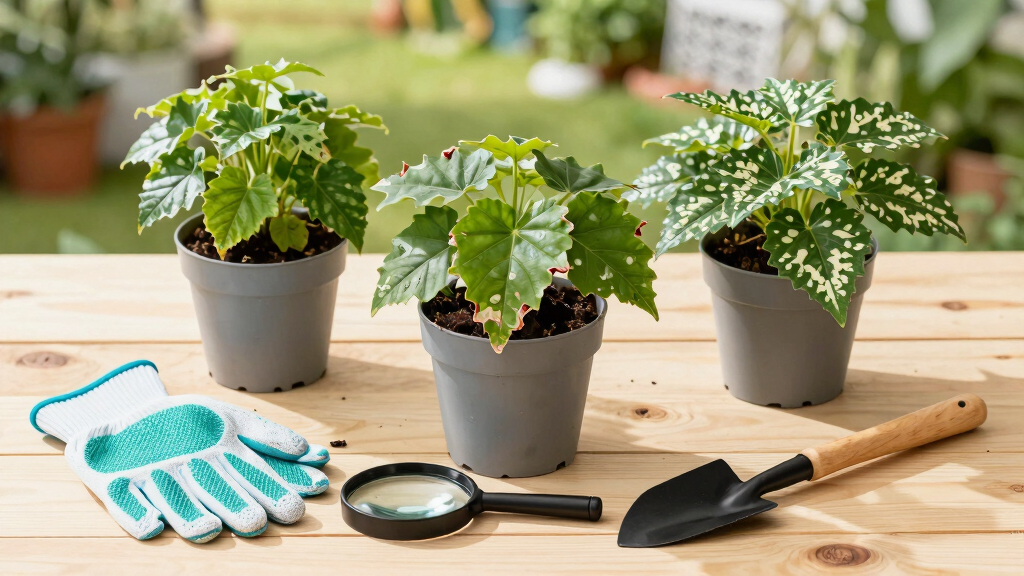
Authorities advise using protective gear during treatment and following label instructions carefully to ensure safe and effective pest control. While some pests are visible to the naked eye, others may require close examination or magnification to identify accurately. The most common pests currently affecting plants include aphids, caterpillars, spider mites, and beetles. Proper identification helps in choosing the right control method, whether it’s natural predators, insecticidal soaps, or targeted pesticides.
Why Early Pest Identification Matters for Gardeners
Timely identification of pests is critical to preventing severe plant damage and loss. Early intervention can reduce the need for more aggressive chemical treatments, protect beneficial insects, and maintain garden health. With increasing reports of pest-related damage, understanding how to recognize signs quickly helps gardeners save time and resources, ensuring their plants remain healthy and productive. This awareness is especially important as pest populations grow due to changing climate conditions and urbanization, which can create favorable environments for pests to thrive.

Garden Safe Insecticidal Soap Insect Killer Spray, 32 Oz
- Ready-to-Use Spray: No mixing required, spray directly
- Versatile Use: Suitable for indoor, outdoor, greenhouse
- Safe for Edibles: Use up to harvest day
As an affiliate, we earn on qualifying purchases.
As an affiliate, we earn on qualifying purchases.
Over the past few months, horticultural experts and gardening communities have observed a surge in leaf damage caused by pests. This trend aligns with seasonal increases in insect activity and warmer temperatures, which favor pest proliferation. Historically, pest outbreaks often occur during specific times of the year, but recent patterns suggest a broader and more persistent threat. Previous outbreaks have been successfully managed through integrated pest management strategies, emphasizing the importance of early detection and targeted control methods. The current rise in damage has prompted local authorities and gardening groups to issue updated advice and educational resources to help gardeners respond effectively.
“Early identification of pests is key to preventing widespread damage. Inspect your plants regularly, especially the undersides of leaves, and act quickly when you notice signs of infestation.”
— Jane Smith, horticultural extension agent

Pineapple 30X Jewelers Loupe Magnifier Foldable Pocket Magnifying Glass Small Jewelry Eye Loop for Jewelers, Gems, Diamonds, Plants, Coins (Gold)
- High-Quality Real Glass Lens: Crystal clear 30X magnification
- Durable Metal Frame: Made from sturdy aluminum alloy
- Powerful 30X Magnification: Ideal for jewelry, coins, plants, and more
As an affiliate, we earn on qualifying purchases.
As an affiliate, we earn on qualifying purchases.
Unconfirmed Reports of New Pest Species
It is not yet clear whether new or invasive pest species are contributing to the recent surge in plant damage. Ongoing investigations by local agricultural agencies are examining whether emerging pests are involved, but definitive identification has not been confirmed. Some reports suggest that changing climate conditions may be encouraging the spread of previously uncommon pests, but this remains under study.

BioAdvanced 3-in-1 Insect, Disease, and Plant Mite Control Spray – 24 fl oz
- 3-in-1 Plant Care: Controls insects, diseases, and mites
- Rainproof Protection: Starts in 4 hours, lasts up to 14 days
- Insect Killer: Kills aphids, beetles, whiteflies, pests
As an affiliate, we earn on qualifying purchases.
As an affiliate, we earn on qualifying purchases.
Experts recommend continuing regular plant inspections and applying appropriate control measures promptly. Local extension services plan to release updated guides on pest identification and management strategies in the coming weeks. Researchers are also studying pest population trends to better predict and prevent future outbreaks. Gardeners are advised to stay informed through official resources and community networks to adapt their pest control practices accordingly.

BioLogic's Scanmask Steinernema Feltiae (Sf) Beneficial Nematodes for Natural Insect Pest Control, 5 Million Size
- Effective Pest Control: Kills over 230 pests safely
- U.S.-Made Quality: Produced in the USA with insulated shipping
- Broad Pest Targeting: Kills fleas, gnats, grubs, and more
As an affiliate, we earn on qualifying purchases.
As an affiliate, we earn on qualifying purchases.
Key Questions
How can I tell if my plant damage is caused by pests?
Look for signs such as holes in leaves, chewed edges, stippling, webbing, or sticky residue. Inspect the undersides of leaves closely, as many pests hide there.
What are the most common pests causing leaf damage now?
Aphids, caterpillars, spider mites, and beetles are currently among the most widespread pests affecting garden plants.
How do I identify which pest is damaging my plants?
Carefully examine affected leaves for visible insects or signs like webbing or frass. Using a magnifying glass can help distinguish pest types. Consulting local extension services can also assist with identification.
What are safe methods to control pests without harming beneficial insects?
Use organic options such as insecticidal soaps, neem oil, or introducing natural predators like ladybugs. Follow label instructions carefully to minimize impact on non-target species.
When should I seek professional help for pest problems?
If pest damage is extensive, or if pests persist despite treatment, contact local gardening experts or extension services for tailored advice and assistance.
Source: rss