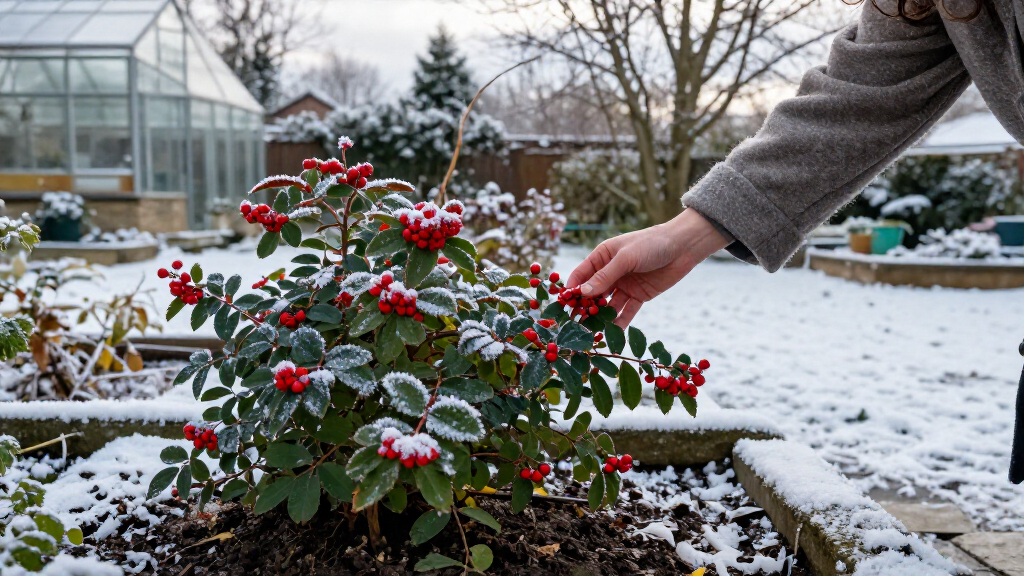
The best winter berry shrubs pair cold-season color with a growth habit that suits your garden. My best overall pick is Ilex verticillata ‘Winter Red’, a deciduous winterberry chosen for its bold red fruit; for year-round screening, Steeds Holly offers an evergreen alternative, while Yellow Winterberry brings an unusual berry color. The main tradeoff is between vivid winter berries and evergreen foliage, with pollination needs, plant size, and the slower start of seeds also shaping the choice. Some listings are true winterberry hollies, while others are different plants marketed for winter color, so matching the botanical identity to your goal matters. Read on for the full breakdown and help choosing the right shrub or starter plant for your space.

Get garden gear delivered free with Prime
- Fast, free delivery on millions of items
- Prime Video, Amazon Music and more included
- Member-only deals all year
Complete the kit


Key Takeaways
- ‘Winter Red’ leads for classic berry display: the #3-container shrub is the strongest fit for buyers seeking a recognizable winterberry holly rather than a seed-starting project.
- Evergreen hollies serve a different purpose: Steeds, Blue Girl, China Girl, and Christmas Jewel keep foliage through winter, while deciduous winterberry choices put more visual emphasis on fruit after leaf drop.
- Pollination can decide whether berries appear: many winterberry hollies need a compatible male plant nearby; confirm the cultivar’s pollination requirements before buying a single female shrub.
- Seeds trade speed for quantity: the snowberry and winterberry seed listings may suit patient growers, but they offer less certainty about time to fruit and mature plant traits than established plants.
- Product names can blur plant differences: Gaultheria, common snowberry, and holly are not interchangeable; check botanical names and expected growth habit before choosing for a specific garden role.
| Ilex verticillata ‘Winter Red’ Winterberry Shrub, #3 Container |  | Best Overall for a Traditional Winterberry Display | Botanical name: Ilex verticillata ‘Winter Red’ | Plant type: Live shrub | Container size: #3 | VIEW LATEST PRICE | See Our Full Breakdown |
| Perfect Plants Steeds Holly, 3 Gallon, Evergreen Privacy Shrub |  | Best for Year-Round Privacy | Brand: Perfect Plants | Sunlight exposure: Full sun | USDA zones: 5–9 | VIEW LATEST PRICE | See Our Full Breakdown |
| Winter Red Winterberry Shrub Starter Plant, 4-Inch Pot |  | Best Starter Plant | Plant type: Deciduous shrub | Pot diameter: 4 inches | Quantity: 1 starter plant | VIEW LATEST PRICE | See Our Full Breakdown |
| Dwarf Burford Holly (Ilex Burfordi) – 50 Live Plants | 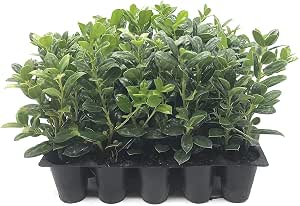 | Best for Large Hedge Plantings | Scientific name: Ilex Burfordi | Quantity: 50 plants | Expected height: 5–6 ft | VIEW LATEST PRICE | See Our Full Breakdown |
| Gaultheria (Winterberry) Live Evergreen Plant, 5 in. Tall in 4.5 in. Pot |  | Best Compact Winter-Berry Ground Cover | Plant type: Live evergreen ground cover | Expected height: 8 inches | Spread: Up to 3 feet | VIEW LATEST PRICE | See Our Full Breakdown |
| Common Snowberry Seeds, 50+ Non-GMO Heirloom Seeds |  | Best for Adaptable Native-Style Plantings | Plant: Common snowberry (Symphoricarpos albus) | Seed count: 50+ | Seed type: Open-pollinated, non-GMO heirloom | VIEW LATEST PRICE | See Our Full Breakdown |
| Winterberry Holly Seeds, 100 Seeds |  | Best for Patient Native Holly Growers | Plant species: Ilex verticillata | Seed quantity: 100 | Plant type: Native deciduous holly shrub | VIEW LATEST PRICE | See Our Full Breakdown |
| Yellow Winterberry Plant, 4″ Pot Winterberry Shrub for Outdoor Garden |  | Best Compact Accent Plant | Product type: Live flowering plant | Pot size: 4 inches | Height: 3–6 inches | VIEW LATEST PRICE | See Our Full Breakdown |
| Blue Girl Holly Evergreen Shrub with Red Berries, 2-Gallon Plant |  | Best for Year-Round Evergreen Structure | Plant type: Evergreen shrub | Variety: Blue Girl Holly | Container size: 2 gallon | VIEW LATEST PRICE | See Our Full Breakdown |
| Ilex China Girl Holly Shrubs, 3 Large Gallon-Size Plants |  | Best for Planting a Multi-Shrub Screen | Plant type: Evergreen shrub | Quantity: 3 plants | Sun exposure: Full sun or partial shade | VIEW LATEST PRICE | See Our Full Breakdown |
| Christmas Jewel Holly Live Evergreen Shrub, 3 Gallon |  | Best Self-Pollinating Evergreen | Botanical name: Ilex x ‘HL10-90’ PP14477 | Plant type: Broadleaf evergreen shrub | Container size: 3 gallon | VIEW LATEST PRICE | See Our Full Breakdown |
| winter berry shrub | Plant type |
|---|---|
| Ilex verticillata ‘Winter Red’ | Live shrub |
| Perfect Plants Steeds Holly | — |
| Winter Red Winterberry Shrub S | Deciduous shrub |
| Dwarf Burford Holly | — |
| Gaultheria | Live evergreen ground cover |
| Common Snowberry Seeds | — |
| Winterberry Holly Seeds | Native deciduous holly shrub |
| Yellow Winterberry Plant | — |
| Blue Girl Holly Evergreen Shru | Evergreen shrub |
| Ilex China Girl Holly Shrubs | Evergreen shrub |
| Christmas Jewel Holly Live Eve | Broadleaf evergreen shrub |
More Details on Our Top Picks
Ilex verticillata ‘Winter Red’ Winterberry Shrub, #3 Container
Winter Red in a #3 container is my strongest pick for gardeners who want the classic winterberry look on a substantial scale: deep green leaves give way to bright red fruit in fall and winter, while the dense, multi-stem shape suits a border. At 8–10 feet tall and wide, it makes more of a landscape statement than the 4-inch Winter Red starter plant, but it also needs far more room. The rooted, soil-grown plant can go into the ground when weather permits, a simpler starting point than seeds, though berry production depends on pollination and the listing does not specify a pollinator. Its zones 3–8 range covers cold-winter gardens, but not the warmer zones served by Steeds Holly. Choose it for space and seasonal impact, not a compact bed.
Pros:- Bright red berries provide fall and winter color.
- Dense, multi-stem growth fits landscape borders.
- Rooted in a #3 container and ready to plant when weather allows.
- Berries can attract songbirds.
Cons:- Mature width of 8–10 feet demands substantial space.
- Hardiness range stops at USDA zone 8.
- The product details do not identify a male pollinator, which may be needed for fruit.
Best for: Gardeners in USDA zones 3–8 with room for a large, multi-stem shrub and a preference for classic red winter berries.
Not ideal for: Small-yard gardeners or anyone needing a compact shrub; its mature spread can reach 8–10 feet, and a pollinator is not included in the provided details.
- Botanical name:Ilex verticillata ‘Winter Red’
- Plant type:Live shrub
- Container size:#3
- Mature size:8–10 ft tall × 8–10 ft wide
- USDA hardiness zones:3–8
- Foliage:Deep green
- Fruit:Bright red berries
- Soil type:Sandy soil
Our verdict“Choose this rooted Winter Red for a spacious zone 3–8 garden where a large, traditional winterberry shrub matters more than a compact footprint.”
Perfect Plants Steeds Holly, 3 Gallon, Evergreen Privacy Shrub
Steeds Holly is the pick here when winter berries are part of a broader goal: a year-round evergreen screen. Its glossy leaves remain in place, unlike the deciduous foliage of the two Winter Red options, and its 6–8-foot height and narrower 4–5-foot width suit a hedge or shaped specimen. Red winter berries add seasonal interest and can draw birds, while the plant can be pruned into cones, balls, or low hedges. Compared with Dwarf Burford Holly, Steeds is listed for a wider temperature range and has a defined growth rate, but it still needs weekly watering in hot summer weather and annual pruning to hold a formal shape. Its zones 5–9 make it a better match for milder regions than Winter Red, not colder zone 3 gardens.
Pros:- Glossy evergreen foliage provides screening through winter.
- Red berries add cold-season color and attract birds.
- Can be shaped as a hedge, cone, or ball.
- Listed as deer resistant and tolerant of temperatures from -0°F to above 100°F.
Cons:- Needs weekly watering during hot summer months.
- Annual pruning is needed to maintain a chosen shape.
- USDA zones 5–9 exclude colder gardens suited to Winter Red.
Best for: Gardeners in USDA zones 5–9 who want an evergreen privacy screen with winter berries and are willing to water and prune it.
Not ideal for: Gardeners in zones 3–4 or anyone seeking a hands-off deciduous winterberry; this holly needs summer watering and regular shaping.
- Brand:Perfect Plants
- Sunlight exposure:Full sun
- USDA zones:5–9
- Mature size:6–8 ft tall × 4–5 ft wide
- Growth rate:6–12 in per year
- Soil type:Slightly acidic, well-draining
- Watering needs:Weekly during hot summer months
- Temperature tolerance:-0°F to above 100°F
Our verdict“Pick Steeds Holly over the deciduous Winter Red shrubs if year-round screening in zones 5–9 matters more than a classic winterberry form.”
Winter Red Winterberry Shrub Starter Plant, 4-Inch Pot
This 4-inch Winter Red starter suits gardeners who want to begin with a small plant and can give it time and attentive watering. It matures to 6–8 feet, smaller than the #3-container Winter Red’s listed 8–10-foot spread, making it the more manageable choice on paper for a tighter planting plan. Both are deciduous shrubs with red berries, but this listing clearly states that fruit production requires a male pollinator; Southern Gentleman is named as an example. That clarity helps buyers plan, though it also means one plant alone is not a reliable berry display. Moist, well-drained soil and regular watering are part of the deal. Compared with evergreen Steeds Holly, this starter loses its leaves for winter, but it offers a more classic winterberry habit.
Pros:- Compact 4-inch pot is a smaller starting point than the #3-container Winter Red.
- Mature height of 6–8 feet suits a moderate-sized shrub planting.
- Full sun to partial shade offers some siting flexibility.
- Pollination requirement is stated, helping buyers plan for fruit.
Cons:- Requires a male pollinator to produce berries.
- Needs regular watering and consistently moist, well-drained soil.
- A starter plant takes time to reach its mature size.
Best for: Patient gardeners who want an affordable-sized starting plant, have room for a mature 6–8-foot shrub, and can plant a suitable male pollinator nearby.
Not ideal for: Buyers who need berries from a single shrub or want an established, immediate landscape screen; this starter requires a pollinator and time to mature.
- Plant type:Deciduous shrub
- Pot diameter:4 inches
- Quantity:1 starter plant
- Mature height:6–8 ft
- Spacing:6–8 ft
- Sunlight exposure:Full sun to partial shade
- Soil:Moist, well-drained
- Pollination:Requires a male pollinator for berry production
Our verdict“Choose this starter over the larger Winter Red only if you can provide a male pollinator and are comfortable waiting for it to fill out.”
Dwarf Burford Holly (Ilex Burfordi) – 50 Live Plants
Fifty Dwarf Burford hollies make this a planting-scale choice rather than a single-specimen winterberry shrub. Their evergreen foliage and globe-shaped habit can form a consistent hedge or border, with spring flowers followed by bright red berries from fall through winter. Compared with Steeds Holly, this listing emphasizes a 5–6-foot expected height and a slow growth rate, so the payoff is a more compact hedge, but coverage will take patience. It also asks for regular weekly watering during the first year while roots establish, then is described as low maintenance. The quantity is its defining advantage for buyers filling a long run of landscape; it is a poor fit for someone who needs only one accent shrub or wants fast screening.
Pros:- Pack of 50 supports a continuous hedge or border planting.
- Evergreen foliage keeps the planting visually present through winter.
- Bright red berries persist from fall through winter and provide bird food.
- Compact globe-shaped habit is suited to hedges and borders.
Cons:- Slow growth delays full hedge coverage.
- Requires regular weekly watering during the first year.
- Annual winter shearing is needed to maintain a shaped hedge.
Best for: Landscapers and homeowners planting a long evergreen hedge or border who want winter berries and can wait for slow-growing plants to fill in.
Not ideal for: Buyers seeking one specimen shrub, rapid privacy coverage, or a small planting order; this pack contains 50 plants and grows slowly.
- Scientific name:Ilex Burfordi
- Quantity:50 plants
- Expected height:5–6 ft
- Sunlight exposure:Full sun
- Soil type:Sandy soil
- Growth rate:Slow
- Berry season:Fall through winter
- Pruning time:Winter
Our verdict“Choose this 50-plant pack over Steeds Holly when you need broad hedge coverage and can accept slower growth and first-year watering.”
Gaultheria (Winterberry) Live Evergreen Plant, 5 in. Tall in 4.5 in. Pot
Gaultheria brings winterberry color close to the ground, making it the compact alternative to the tall Winter Red shrubs and hedge-forming hollies in this roundup. At about 8 inches tall with a spread of up to 3 feet, it can cover a shaded edge or grow in a pot rather than occupy the space needed by a large shrub. Its shiny evergreen leaves, white bell-shaped summer flowers, and red fall and winter berries provide more than one season of interest. Unlike Steeds Holly, it is listed for USDA zones 3–8 and partial sun, but it is not a privacy plant and needs well-drained soil with moderate watering. The name may suggest a shrub, yet its low, spreading habit is the main reason to choose it.
Pros:- Low, spreading habit works as ground cover or a container plant.
- Evergreen leaves and red berries add cold-season color.
- White bell-shaped flowers add summer interest.
- Listed for indoor and outdoor use and USDA zones 3–8.
Cons:- Partial sun and well-drained soil limit suitable planting sites.
- Spread of up to 3 feet needs room or container management.
- Its 8-inch height cannot provide screening like Steeds Holly.
Best for: Gardeners wanting a low evergreen ground cover or container plant with winter berries for a partial-sun spot in USDA zones 3–8.
Not ideal for: Anyone seeking a tall privacy screen, a full-sun planting, or a shrub with a compact spread; this plant stays low but can spread up to 3 feet.
- Plant type:Live evergreen ground cover
- Expected height:8 inches
- Spread:Up to 3 feet
- Pot size:4.5-inch round pot
- Sunlight exposure:Partial sun
- USDA hardiness zones:3–8
- Flower:White, bell-shaped; summer
- Moisture needs:Moderate watering
Our verdict“Choose Gaultheria over the taller hollies when you want a low, spreading winter-berry accent rather than a hedge or privacy shrub.”
Common Snowberry Seeds, 50+ Non-GMO Heirloom Seeds
Common snowberry is the most adaptable choice here for gardeners who want winter fruit in a less formal, wildlife-friendly planting. Its white berries contrast with the red fruit on Blue Girl Holly, while its tolerance of sun or shade and varied soils gives it more flexibility than the moisture-loving Winterberry Holly Seeds. The suckering habit can fill a naturalized area and help hold a slope, but it can also spread beyond a tightly defined border. These are seeds, not an established shrub, and natural dormancy may call for extra preparation and patience before plants establish. Choose this option for a broad, informal planting rather than quick screening or a precisely shaped hedge.
Pros:- Tolerates full sun to full shade and a wide range of soils
- White berries provide winter color distinct from the lineup’s red-berried hollies
- Dense growth offers shelter for birds and small animals
- Suckering growth can help cover and stabilize slopes
Cons:- Seed dormancy may require extra preparation and patience
- Suckering growth can spread beyond the intended planting area
Best for: Gardeners building a wildlife-friendly, informal planting or stabilizing a slope across varied light and soil conditions
Not ideal for: Buyers who need an established shrub quickly or want a compact plant that stays within a narrow border
- Plant:Common snowberry (Symphoricarpos albus)
- Seed count:50+
- Seed type:Open-pollinated, non-GMO heirloom
- Growth habit:Hardy, deciduous, suckering shrub
- Light:Full sun to full shade
- Soil tolerance:Wide range, including clay and dry sites
- Flowers:Pinkish, bell-shaped flowers in summer
- Fruit:White berries that persist into winter
Our verdict“Choose these seeds for adaptable, spreading snowberry in a wildlife or slope planting, but skip them if you need quick coverage or a tidy, contained shrub.”
Winterberry Holly Seeds, 100 Seeds
Winterberry holly offers the classic bright-red winter display, but this seed packet suits gardeners willing to plan for both establishment and pollination. Unlike Common Snowberry Seeds, which produce white fruit and tolerate a broader range of sites, this native holly is specified for consistently moist, acidic soil. It also needs male and female plants flowering nearby for berries, and seedlings cannot reliably be sexed until mature. That makes the 100-seed quantity useful for growing a group, though it does not guarantee a berry-producing mix. Compared with the already potted Blue Girl Holly, this is a slower, less predictable route to a mature shrub, but it fits naturalized plantings where the right damp conditions are available.
Pros:- Native deciduous holly produces bright-red winter berries on female plants
- Summer foliage and creamy white flowers add seasonal interest
- Suitable for wildlife gardens and naturalized plantings
- 100 seeds allow room to grow multiple plants for a pollination group
Cons:- Berry production depends on compatible male and female plants flowering nearby
- Seedlings cannot reliably be sexed until mature
- Needs consistently moist, acidic soil
Best for: Patient gardeners with moist, acidic ground who want to raise native winterberry holly from seed and can accommodate multiple plants
Not ideal for: Gardeners with dry or alkaline sites, or anyone seeking a quick, predictable berry display from a single shrub
- Plant species:Ilex verticillata
- Seed quantity:100
- Plant type:Native deciduous holly shrub
- Mature size:Approximately 6–12 ft tall and wide
- Hardiness zones:USDA zones 3–9
- Sun exposure:Full sun to partial shade
- Soil and moisture:Loam; consistently moist, acidic soil
- Berry color:Bright red on female plants
Our verdict“Pick these seeds if you have moist, acidic soil and patience to raise a pollinated group; choose potted Blue Girl Holly for a more direct start with an established shrub.”
Yellow Winterberry Plant, 4″ Pot Winterberry Shrub for Outdoor Garden
This small potted winterberry is the lineup’s compact accent option, rather than a ready-made hedge shrub. At 3 to 6 inches tall in a 4-inch pot, it can suit a border or a small outdoor planting where a larger Blue Girl Holly would be oversized. Its listed winter bloom and yellow winterberry identity also set it apart from the red-fruited hollies and white-fruited Common Snowberry. The tradeoff is limited immediate impact: its stated size will not provide substantial screening or dense coverage, and it needs moderate watering despite its low-maintenance description. The listing supplies little detail about mature size or berry production, so I would choose it for a small planting accent, not as the centerpiece of a winter-berry hedge.
Pros:- Compact 3–6 inch plant fits small beds and borders
- Yellow winterberry color differs from the lineup’s red and white fruit
- Listed as a low-maintenance outdoor plant
- Full-sun exposure and moderate watering needs are specified
Cons:- Small supplied height offers little immediate coverage
- Moderate watering is still needed to maintain the plant
- Product details do not specify mature size or berry-production requirements
Best for: Gardeners seeking a small outdoor winterberry accent for a sunny border or compact garden bed
Not ideal for: Buyers planning a large hedge or wanting clear information about mature size and berry production before planting
- Product type:Live flowering plant
- Pot size:4 inches
- Height:3–6 inches
- Use:Outdoor
- Bloom period:Winter
- Sunlight:Full sun
- Moisture:Moderate watering
- Maintenance:Listed as low maintenance
Our verdict“Choose this plant for a small sunny accent with a distinct yellow winterberry identity, not for fast hedge coverage or a well-documented mature planting plan.”
Blue Girl Holly Evergreen Shrub with Red Berries, 2-Gallon Plant
Blue Girl Holly is the strongest fit for gardeners who want winter berries without giving up evergreen structure. Its glossy foliage stays part of the landscape year-round, unlike the deciduous Winterberry Holly Seeds, while the red berries add seasonal color and can attract birds. The 2-gallon plant also gives buyers a more established start than either seed option. Its main limitation is pollination: this female variety needs a nearby male holly, such as Blue Boy, for optimal fruit. Site details matter too—it calls for well-draining, acidic soil and moderate watering. I would also treat the listed mature height cautiously, since the product information conflicts between 8–10 feet and 4.5 feet. Compared with China Girl Holly, Blue Girl has clearer berry and hardiness details, but still needs a male pollinator.
Pros:- Glossy evergreen foliage supplies structure beyond winter
- Red berries can persist through winter and attract birds
- 2-gallon plant offers a more established start than seeds
- Suitable for specimen planting, borders, and hedges
Cons:- Needs a nearby male holly for optimal berry production
- Mature height information conflicts between 8–10 feet and 4.5 feet
- Requires well-draining, acidic soil
Best for: Gardeners in zones 5–9 who want an evergreen specimen or hedge plant and can provide a compatible male holly
Not ideal for: Buyers without room for a large shrub, a nearby male pollinator, or well-draining acidic soil
- Plant type:Evergreen shrub
- Variety:Blue Girl Holly
- Container size:2 gallon
- Mature height:Conflicting listing details: 8–10 ft and 4.5 ft
- Mature spread:8–10 ft
- Hardiness zones:USDA zones 5–9
- Sun exposure:Full sun to partial shade
- Soil and pollination:Well-draining, acidic soil; nearby male holly needed for optimal berries
Our verdict“Choose Blue Girl Holly for evergreen structure and red winter berries if you can supply a male pollinator and confirm the planting space against its uncertain mature height.”
Ilex China Girl Holly Shrubs, 3 Large Gallon-Size Plants
Three China Girl hollies make this the lineup’s clearest choice for planting several evergreen shrubs at once. Their glossy foliage suits a hedge, border, or grouped landscape planting, while the small spring flowers can lead to red berries when a male pollinator is nearby. That pollination caveat matters: buying three female shrubs does not, by itself, establish the male plant needed for fruit. Compared with the single Blue Girl Holly, this set offers more plants for filling a stretch of garden, but it provides less specific guidance on mature size and hardiness. The shrubs prefer well-drained soil and can grow in full sun or partial shade; regular pruning helps maintain a dense shape. Choose them for evergreen planting coverage, not a guaranteed winter-berry display straight from the set.
Pros:- Set includes three shrubs for grouped planting or a longer border
- Glossy evergreen foliage provides year-round greenery
- Suitable for full sun or partial shade
- Responds to pruning for a dense, shaped planting
Cons:- Red berry production requires a nearby male pollinator
- Well-drained soil is needed
- Listing does not specify mature size or hardiness zones
Best for: Gardeners planning a multi-shrub evergreen border or hedge who can provide well-drained soil and a male holly pollinator
Not ideal for: Buyers seeking guaranteed berries from the plants in this set alone or needing detailed mature-size and hardiness information
- Plant type:Evergreen shrub
- Quantity:3 plants
- Sun exposure:Full sun or partial shade
- Soil:Well-drained
- Flowers:Small white flowers in spring
- Berries:Red berries with a nearby male pollinator
- Uses:Hedges, borders, or standalone landscape planting
- Care:Regular pruning can maintain shape and dense growth
Our verdict“Choose China Girl Holly when you need several evergreen shrubs for a border or hedge and can add a male pollinator; skip it if dependable berries are your main goal.”
Christmas Jewel Holly Live Evergreen Shrub, 3 Gallon
Christmas Jewel Holly is a strong fit for buyers who want winter berries without planting a separate male pollinator. Its self-pollinating habit and abundant red fruit simplify planning compared with Winter Red Winterberry, which is a deciduous shrub and may need a compatible pollinator for fruiting. Glossy evergreen leaves also keep the planting visually full after other shrubs have dropped their foliage.
The tradeoff is scale: this holly can reach 10–12 feet tall and 6–8 feet wide, so it suits a roomy border or a substantial focal planting better than a small garden. Its upright shape may limit pruning, but it does not make the mature footprint small. It also needs well-drained soil and falls outside the hardiness range of some colder regions where winterberry options may be a better match. Check the stated shipping exclusions before ordering.
Pros:- Self-pollinating, so a separate male holly is not required for berry production.
- Red berries and glossy evergreen foliage provide winter color and structure.
- Upright growth may reduce the need for frequent shaping.
- Broad stated hardiness range of USDA zones 6–9.
Cons:- Mature size of 10–12 feet tall and 6–8 feet wide demands substantial space.
- Requires well-drained soil and moderate watering.
- Shipping is unavailable to AK, AZ, CA, CO, HI, ID, MT, NM, NV, OR, UT, WA, and WY.
Best for: Gardeners in USDA zones 6–9 who want persistent winter berries and evergreen foliage without adding a separate male holly.
Not ideal for: Small-yard owners, gardeners in regions outside zones 6–9, or buyers in states excluded from shipping.
- Botanical name:Ilex x ‘HL10-90’ PP14477
- Plant type:Broadleaf evergreen shrub
- Container size:3 gallon
- Mature height:10–12 feet
- Mature width:6–8 feet
- USDA hardiness zones:6–9
- Sun exposure:Full sun to partial shade
- Soil:Well-drained
- Watering:Moderate
Our verdict“Choose Christmas Jewel if you have room for a large evergreen holly and want winter berries without managing a separate pollinator.”
How We Picked
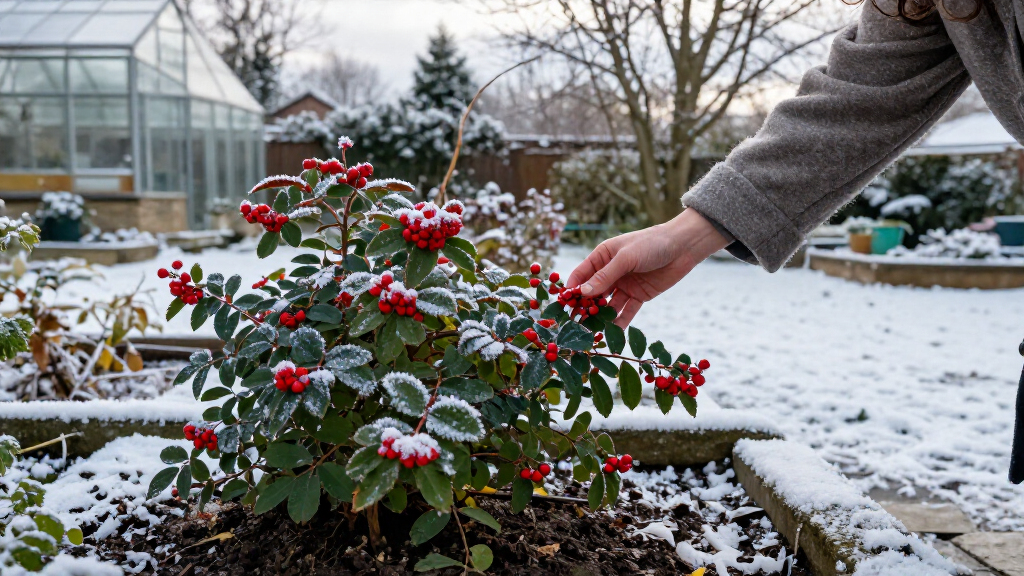
I ranked these options by how well they serve the promise of a winter berry shrub: credible berry or winter-color appeal, useful plant form, and a clear fit for a real garden. I gave more weight to named, established shrubs than to seeds because they offer a more direct route to a planted specimen, while still noting that the best choice depends on the buyer’s space and patience. I also distinguished deciduous winterberry hollies from evergreen hollies and from other plants sold under winterberry-related wording.
The order reflects practical tradeoffs rather than a claim that every plant suits the same climate or purpose. I considered the listed container or pack format, the likely effort before a display develops, whether the option offers a specific advantage such as evergreen screening or unusual berry color, and what buyers should verify—especially mature size, site conditions, and pollination. Listings with ambiguous naming or seed-only formats rank lower for shoppers seeking a predictable shrub purchase, not because those options cannot suit a specialist.
| winter berry shrub | Plant type |
|---|---|
| Ilex verticillata ‘Winter Red’ | Live shrub |
| Perfect Plants Steeds Holly | — |
| Winter Red Winterberry Shrub S | Deciduous shrub |
| Dwarf Burford Holly | — |
| Gaultheria | Live evergreen ground cover |
| Common Snowberry Seeds | — |
| Winterberry Holly Seeds | Native deciduous holly shrub |
| Yellow Winterberry Plant | — |
| Blue Girl Holly Evergreen Shru | Evergreen shrub |
| Ilex China Girl Holly Shrubs | Evergreen shrub |
| Christmas Jewel Holly Live Eve | Broadleaf evergreen shrub |
Factors to Consider When Choosing Best Winter Berry Shrubs
Before choosing a plant, decide what you want to see in winter: fruit on bare stems, evergreen leaves, or both. The name “winterberry” appears across plants with different growth habits, and a shrub that looks right in a listing may not match your garden’s space, climate, or patience level. These checks can help prevent a mismatch that product descriptions alone may not make obvious.
Check the Botanical Name, Not Just the Common Name
Common names can describe unrelated plants or suggest a feature without identifying the species. Look for the botanical name and compare it with the plant you intend to grow: Ilex verticillata is deciduous winterberry holly, while evergreen hollies and Gaultheria have different habits and care needs. Common snowberry is another distinct shrub, not a substitute for winterberry holly. This difference affects foliage, mature form, fruit appearance, and where the plant fits in a design. If a listing gives only a broad common name, treat the plant identity as something to confirm before purchase.
Plan for Pollination Before Buying a Single Holly
Many berry-producing hollies have separate male and female plants, and a female may produce little or no fruit without a compatible male nearby. Check whether the named cultivar is self-fruiting, whether a pollinator is needed, and which pollinator cultivars are compatible. A nearby holly may not be the right match simply because it flowers at the same time. This is an easy requirement to miss when ordering one shrub as a focal point. If you cannot provide a compatible pollinator, choose a plant whose fruiting requirements are clearly stated before relying on it for a berry display.
Match the Shrub to Its Winter Role
Deciduous winterberry hollies lose their leaves, leaving fruit-bearing branches visible, while evergreen hollies retain foliage and can contribute screening through the cold season. Neither habit is automatically better: a bare-stem display can stand out in a mixed border, but it will not act as a leafy privacy screen. Evergreen choices offer structure but may need more room and pruning to keep their shape. Decide whether the priority is fruit, cover, or a balance of both before comparing cultivars. That decision often narrows the field more effectively than choosing by berry color alone.
Use Mature Size and Site Conditions to Rule Out Poor Fits
A young plant’s pot size says little about the room it will need as it matures. Check expected height and spread, then leave space for airflow, access, and any companion pollinator rather than planting tightly around the current container size. Light, soil moisture, drainage, and local winter conditions also affect growth and fruiting, so compare the plant’s needs with the actual site. A shrub selected for a damp garden may struggle in a dry, exposed bed without extra care. When a listing omits mature dimensions or growing requirements, seek reliable cultivar information before committing to a permanent spot.
Choose Between Established Plants and Seeds With Realistic Expectations
Established nursery plants give you a head start on size and let you buy a named selection, while seeds usually require more time and patience before the shrub reaches flowering or fruiting age. Seed-grown plants may also vary more than a named cultivar, which matters if you want a particular form or berry color. A small starter plant can be a reasonable choice when you have time to grow it on, but it is not an instant focal point. Larger container plants are easier to place into a garden plan, though they still need suitable establishment care. Choose seeds for the growing process and quantity, not as a shortcut to an immediate winter display.
Compare Berry Color With Wildlife and Garden Placement
Red fruit is the familiar winter look, but yellow-fruited selections can create a less conventional accent and may be easier to distinguish against dark foliage. Fruit can also attract birds, so a shrub near a path, window, or paved area may bring fallen berries where cleanup matters. Some berries are not suitable for people or pets to eat; verify safety information for the exact plant rather than assuming all winter-fruiting shrubs are alike. Place fruiting shrubs where their seasonal display can be seen and where wildlife activity is welcome. Color is a useful tie-breaker, but it should follow checks on plant identity, site, and intended use.
Frequently Asked Questions
Will one winterberry holly produce berries on its own?
Many Ilex verticillata cultivars have separate male and female plants, so a single female may need a compatible male holly nearby to set fruit. Do not assume that any holly in the neighborhood will pollinate it; flowering overlap and cultivar compatibility matter. Check the product’s exact cultivar and pollination guidance before planting. If the listing does not identify the plant’s sex or pollinator needs, ask the seller or consult a reliable cultivar reference. This question matters most when you are buying one shrub for a stand-alone berry display.
Are evergreen hollies a better choice than deciduous winterberry?
They serve different winter goals rather than forming a simple better-or-worse choice. Evergreen hollies retain leaves and can provide structure or screening, while deciduous winterberry hollies expose their fruit on bare branches after leaf drop. If berries are the main feature, compare fruiting details and pollination needs; if year-round foliage matters more, compare evergreen form and mature size. Some gardens can accommodate both types in separate roles. Choose based on the view and function you want in winter, not just the word “holly” on a label.
How can I tell whether a listing is a true winterberry holly?
Look for the botanical name Ilex verticillata rather than relying on “winterberry” alone. The name may also appear in listings for other plants or as a broad description of winter fruit, including plants with different care needs and growth habits. Confirm whether the listing describes a live shrub, a starter plant, or seeds, since those are not equivalent purchases. Ask for cultivar and mature-size details if the listing is vague. This check is especially useful when comparing the Gaultheria and snowberry listings with holly products.
Should I buy seeds or a potted shrub if I want berries soon?
A potted shrub is generally the more direct route because it has already passed the seed-starting stage, though a young plant still needs time to establish and mature. Seeds suit gardeners who enjoy propagation and can wait without a guaranteed quick display. Seed-grown plants may not match a named cultivar as closely, and berry production can depend on plant sex and pollination. Check the age or size details of a live plant and the germination instructions for seeds before comparing formats. For a specific color or garden placement plan, a named shrub is usually easier to select.
Can I plant a berry-producing shrub where children or pets can reach it?
Do not assume berries are edible or safe because they look attractive. Safety varies by plant, so identify the exact botanical species and consult a trusted poison-control or horticultural source before placing it within reach. If you cannot confirm suitability, position the shrub behind a barrier or choose a non-fruiting alternative for that location. Also consider that birds may drop fruit beneath the plant, creating extra cleanup near play areas or entrances. A good garden fit includes where berries fall, not only how they look on the branches.
Conclusion
For a classic fruit-forward display, I recommend Ilex verticillata ‘Winter Red’ as the best overall, provided you can meet its site and pollination needs. Best value depends on your goal: the 4-inch Winter Red starter is a lower-commitment live plant, while seed packs suit gardeners who prioritize quantity and patience over an established shrub. Best for beginners is a clearly identified, established plant with growing and pollination details you can verify; avoid starting with ambiguous seed listings if you want a predictable result. For a premium evergreen presence, compare the larger holly options by mature size and intended role rather than berry color alone. For specific needs, choose Yellow Winterberry for a distinctive fruit color, an evergreen holly for foliage through winter, or the snowberry and Gaultheria options only when their different plant identities match your plan.