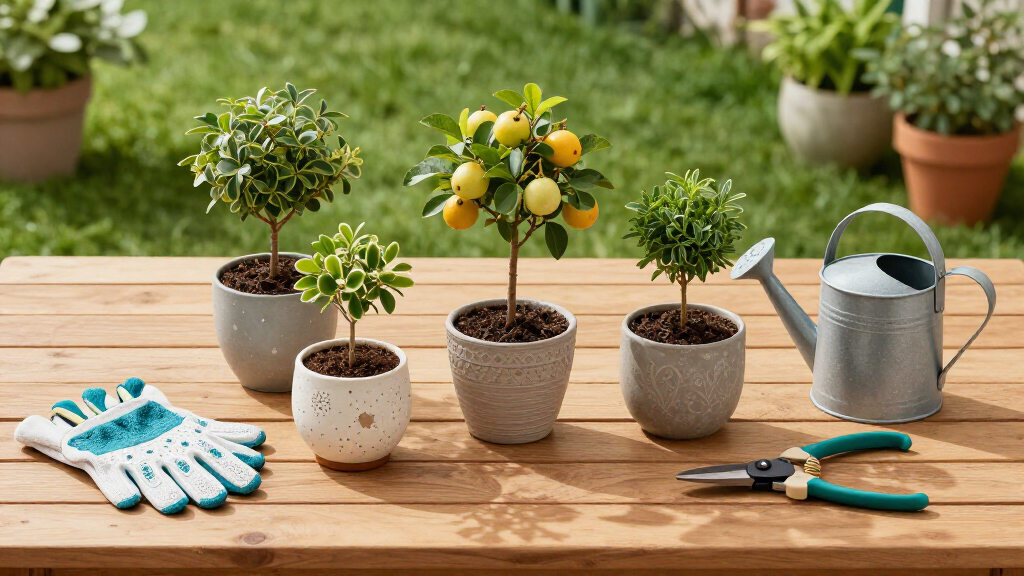
Finding the best fruit trees for small yards involves balancing size, productivity, and ease of care. The Grow a Little Fruit Tree stands out for its simple pruning techniques that maximize small-space harvests, while the Rainier Cherry Live Plant offers a compact, prolific cherry option perfect for limited space. Some trees, like standard apple or peach varieties, can become too large or demanding, making dwarf or container-friendly options more suitable. The main tradeoffs often involve yield versus size, or ease versus variety selection. Continue reading for a detailed breakdown of each option and what makes them the best fit for your yard.
Complete the kit


Key Takeaways
- Dwarf and container-friendly trees dominate the top ranks, emphasizing space efficiency.
- High-yield, easy-care options are paired with lower-maintenance choices for beginners.
- Variation in fruit types allows for year-round harvests and diverse flavors.
- Quality of the plant and rootstock significantly impact long-term success.
- Price and size are key factors that influence the overall value and suitability for small yards.


| fruit trees for small yard | Height |
|---|---|
| Grow a Little Fruit Tree: Simp | — |
| Rainier Cherry Live Plant | 2-3 ft |
| 3 Apple Tree Saplings | — |
| Illinois Everbearing Mulberry | 6-10 inches |
| Apple | — |
| Fruit Trees in Small Spaces: A | — |
| Backyard Orchard Fruit Trees | — |
| Flavor Pluot Live Tree | 2-3 ft |
| Crabapple Tree Live Plant | 6-10 inches |
| Tropic Snow Peach Tree | 4-5 Feet |
More Details on Our Top Picks
Grow a Little Fruit Tree: Simple Pruning Techniques for Small-Space, Easy-Harvest Fruit Trees
This book stands out for its clear, practical pruning advice tailored specifically for small-space gardens. Compared with the live plant options like the Rainier Cherry, which offers immediate fruiting, this guide provides essential techniques to maintain healthy, productive trees over time. Its focus on pruning makes it ideal for gardeners who want to maximize fruit yield without extra space, but it offers limited guidance on other gardening aspects like soil or pest management. However, it doesn’t cover fertilization or planting strategies, which might leave beginners wanting more. If you’re looking for a resource that helps you shape small trees for ease of harvest, this book makes the most sense.
Pros:- Easy-to-follow pruning techniques tailored for small spaces
- Helps produce healthy, manageable fruit trees
- Ideal for gardeners focusing on space-efficient harvests
Cons:- Limited guidance on other gardening aspects like soil and pest control
- Focuses mainly on pruning, not overall tree care
Best for: Gardeners seeking expert pruning techniques to optimize small trees and ease harvests
Not ideal for: Beginners needing comprehensive planting, soil, and care instructions beyond pruning
- Type:Book
- Focus:Pruning Techniques
- Suitable for:Small gardens
- Format:Print
- Author:Steve Carraway
- Pages:120
Our verdict“This book is best for small-space gardeners who want to master pruning for healthier, more productive trees.”
Rainier Cherry Live Plant, Tropical Fruit Tree, 2-3 Ft Tall, 3 Gallon Pot
The Rainier Cherry offers the thrill of fruit production right from planting, making it a top choice for those eager to harvest sweet cherries quickly. Compared with the Apple, Apricot & Pear Trees Starter Kit, which provides multiple varieties but takes longer to fruit, this tree delivers immediate gratification. Its vibrant blossoms and lush foliage add visual appeal, though it requires outdoor space and isn’t shipped to California, limiting accessibility. While it’s perfect for container or garden planting, it needs full sun and proper care to thrive, which might challenge less experienced gardeners. If you want a quick, tasty cherry crop and have suitable outdoor space, this tree makes an excellent choice.
Pros:- Produces sweet, flavorful cherries
- Vibrant spring blossoms and lush foliage
- Suitable for various outdoor settings
Cons:- Not shipped to California
- Requires outdoor space and full sun for best growth
Best for: Homeowners seeking a fruit-bearing tree with fast results in outdoor or container settings
Not ideal for: Urban gardeners in California or those seeking multi-fruit options in one purchase
- Height:2-3 ft
- Pot Size:3 gallons
- Type:Cherry Tree
- Hardiness:Frost Hardy
- Suitable for:Garden or container planting
- Shipped to:Excludes California
Our verdict“This tree suits those who want quick harvests of sweet cherries and have adequate outdoor space.”
3 Apple Tree Saplings – Live Dormant Apple Trees for Planting, Cold Hardy Fruit Tree Starts for Backyard Orchard, Garden & Container Growing
This package offers three dormant apple saplings, making it a practical choice for those wanting to establish a small orchard or add fresh apples to a garden. Compared to the Apple, Apricot & Pear Trees Starter Kit, which includes dwarf varieties and multiple fruits, this set focuses solely on apples but provides a straightforward planting process with healthy, dormant trees. Its dormancy shipment reduces transplant shock, but buyers should be prepared for a 2-4 week wait before seeing signs of growth. It’s ideal for those with patience and a desire for a dedicated apple crop, rather than quick fruiting in the first season. For gardeners wanting to start with established trees, this option offers a flexible, cost-effective approach.
Pros:- Includes three healthy, dormant apple saplings
- Reduces transplant shock with dormancy shipping
- Suitable for various small garden settings
Cons:- Trees are shipped without leaves or fruit
- Requires patience and proper care to start bearing fruit
Best for: Gardeners interested in establishing a dedicated apple orchard with minimal fuss
Not ideal for: Those seeking immediate fruit or quick harvests, or who prefer multiple fruit types in one package
- Number of Trees:3
- Plant Type:Apple Tree Saplings
- Shipping Stage:Dormant
- Growth Zone:Cold Hardy
- Suitable for:Backyard, Garden, Container
- Leaves/Fruit at Shipping:No
Our verdict“This set is perfect for patient gardeners focused on growing healthy, productive apple trees over time.”
Illinois Everbearing Mulberry Tree – 6-10 inches tall, potted fruit-bearing plant
The Illinois Everbearing Mulberry Tree offers a compact, decorative addition to small gardens while providing a steady supply of sweet mulberries. Compared with the Rainier Cherry, which produces seasonal fruit, this mulberry’s everbearing nature means more consistent harvests through the growing season. Its small size at 6-10 inches makes it suitable for container planting or limited spaces, but its height potential is limited unless it’s carefully grown or trained. It also requires proper care to produce fruit and may not yield heavily in its first year. This tree makes sense for gardeners who want a year-round ornamental and fruiting plant that fits into tight spaces.
Pros:- Produces sweet, continuous mulberries
- Adds aesthetic appeal with attractive foliage
- Everbearing for year-round harvests
Cons:- Limited height at 6-10 inches initially
- Requires proper care for reliable fruiting
Best for: Small-space gardeners wanting a decorative, perennial fruit producer
Not ideal for: Those seeking large or quick-yielding trees, or expecting immediate harvests
- Height:6-10 inches
- Type:Potted fruit-bearing plant
Our verdict“This mulberry offers a compact, attractive plant that provides ongoing fruit for patient gardeners with small spaces.”
Apple, Apricot & Pear Trees – Dwarf Fruit Trees, Easy Grow Backyard Orchard Starter Kit (9 Pack – 3 of Each)
This starter kit brings together three varieties of dwarf fruit trees—apple, apricot, and pear—making it ideal for gardeners seeking variety in limited space. Compared with individual saplings, this kit offers both diversity and convenience, allowing a small orchard to flourish on patios or in tiny yards. The dwarf size ensures easy maintenance and harvest, but success depends heavily on proper care, watering, and patience, especially since these trees are young and will take time to bear fruit. While it provides an excellent entry point for hobbyist growers, it’s less suitable for those expecting quick returns or large quantities of fruit in the first season. This kit suits those wanting a multi-fruit setup in a small area, with manageable sizes and variety.
Pros:- Includes three different fruit varieties for diversity
- Dwarf size ideal for small spaces and patios
- Healthy, well-rooted trees ready for planting
Cons:- Requires care and patience to produce fruit
- Not suitable for large-scale orchards or quick yields
Best for: Small-space gardeners who want multiple fruit options and easy-to-manage trees
Not ideal for: Growers seeking immediate fruit or those with limited patience for first-year yields
- Number of Trees:9 (3 of each)
- Tree Types:Apple, Apricot, Pear
- Tree Size:Dwarf
- Suitable for:Small spaces, patios, gardens
Our verdict“This multi-variety dwarf kit fits small gardens wanting diversity and manageable trees, provided patience is available.”
Fruit Trees in Small Spaces: Abundant Harvests from Your Own Backyard
This book stands out for providing comprehensive guidance tailored specifically to small-yard fruit growing. Unlike the other options, which focus on specific trees, it offers detailed techniques and variety recommendations that help gardeners maximize limited space and achieve bountiful harvests. While it doesn’t list specific plant features, it’s invaluable for strategic planning and understanding which trees thrive in compact gardens. This resource is ideal for those who want to develop a thoughtful, productive orchard but don’t yet need a ready-to-plant tree. The main tradeoff is that it offers no direct planting or cultivar details, so it works best as a foundational guide rather than a direct planting solution.
Pros:- Provides practical advice tailored to small-space gardening
- Helps homeowners plan for abundant backyard harvests
- Focuses on maximizing limited space for fruit production
Cons:- Lacks specific plant details, cultivars, or planting instructions
- No information on actual trees or planting techniques
Best for: Homeowners seeking a comprehensive, educational approach to small-space fruit gardening and planning.
Not ideal for: Gardeners looking for ready-to-plant trees or specific cultivar recommendations; this is a knowledge resource, not a plant supplier.
Our verdict“Best suited for beginners or planners wanting to understand how to optimize small yard fruit production before planting.”
Backyard Orchard Fruit Trees – 6 Bare Root Trees (2 Apple, 2 Persimmon, 2 Black Cherry)
This set offers a well-rounded selection of six bare root fruit trees, making it a strong choice for gardeners wanting a variety of harvests in a small yard. Compared to the Flavor Pluot, which emphasizes a single fruit type, this collection provides diversity—apples, persimmons, and cherries—that can extend harvest seasons and add visual interest. The trees are shipped dormant, which means they require proper planting and care but promise long-term productivity. The main drawback is that these trees arrive leafless and fruitless, which might concern some buyers eager for immediate results. They thrive best in full sun and well-drained soil, making site conditions a key consideration.
Pros:- Diverse selection supports extended harvest seasons
- Easy to establish and provides long-term value
- Creates an attractive, edible landscape
Cons:- Trees are shipped without leaves or fruit, delaying immediate harvest
- Requires full sun and well-drained soil for best results
Best for: Gardeners looking to establish a diverse, fruitful landscape with minimal effort and long-term payoff.
Not ideal for: Those seeking instant gratification or fruiting trees at planting; these trees need time and proper conditions to develop.
- Number of Trees:6
- Tree Types:Apple, Persimmon, Black Cherry
- Root Type:Bare root
- Planting Stage:Dormant
- Sunlight Requirement:6+ hours
Our verdict“Ideal for gardeners wanting a variety of fruit trees that will grow into a beautiful, productive landscape over time.”
Flavor Pluot Live Tree, Plum Apricot Fruit Tree, 2-3 Ft Tall, 3 Gallon Pot
The Flavor Pluot offers a compact size, making it suitable for small yards, while still producing large quantities of sweet, juicy fruit. Compared with the Tropic Snow Peach, which is larger and requires more space, this tree is better suited for limited spaces and container planting. Its height of just 2-3 feet in the pot means it can fit into tighter spots, yet it will grow to a full height of 10-12 feet with proper pruning, which could be a concern for very small yards. It performs well in USDA Zones 5-9, making it versatile, but it demands full sun and well-draining soil to thrive. The main consideration is that it’s a seasonal fruit tree, requiring annual care for optimal fruit production.
Pros:- Compact size ideal for small yards or containers
- Produces sweet, juicy fruit suitable for eating or cooking
- Cold hardy and adaptable to USDA Zones 5-9
Cons:- Reaches a height of 10-12 feet, requiring space and pruning
- Cannot ship to California, limiting availability in some regions
Best for: Home gardeners with limited space who want a manageable, fruit-bearing tree that’s easy to grow and harvest from.
Not ideal for: Those with very small yards or no outdoor space, as the mature height can reach over 10 feet and needs ample sunlight.
- Height:2-3 ft
- Pot Size:3 gallons
- Mature Height:10-12 ft
- Mature Spread:8-10 ft
- USDA Zones:5-9
Our verdict“Best for gardeners who want a manageable, fruit-producing tree that fits into a small outdoor space with proper sunlight and soil conditions.”
Crabapple Tree Live Plant, Flowering Fruit Tree, 6-10 Inch Tall
This young crabapple tree is an excellent starter plant for small yards, combining ornamental beauty with edible fruit. Compared to the Tropic Snow Peach, which offers larger fruit, the crabapple focuses on spring blooms and small red fruits, adding early seasonal interest. Its tiny size at 6-10 inches makes it perfect for limited spaces and container planting, but it will eventually grow to 10-12 feet, requiring space and pruning. The tree blooms beautifully in spring, enhancing curb appeal, yet it will only fruit after one year of growth, which means patience is needed. It’s suited for zones 4-9, thriving in cooler climates, but the dormancy in winter means no leaves or flowers during that season.
Pros:- Attractive spring blooms and ornamental appeal
- Small size ideal for containers and tight spaces
- Produces small red edible fruits
Cons:- Will only fruit after one year, requiring patience
- Reaches potentially 10-12 feet, needing pruning and space
Best for: Gardeners wanting ornamental value and a small, flowering fruit tree that can be easily managed in tight spaces.
Not ideal for: Those seeking immediate fruit harvest or a larger, more mature tree at planting; it takes time to develop fruiting capacity.
- Height:6-10 inches
- Mature Height:10-12 feet
- Zones:4-9
- Blooming Season:Spring
- Fruit:Small red edible fruit
Our verdict“Perfect for small yards wanting spring beauty and modest edible fruit, with patience for fruiting to develop.”
Tropic Snow Peach Tree – 4-5 Feet | Live Fruit Tree for Outdoor Planting
The Tropic Snow Peach offers a manageable size of 4-5 feet, making it suitable for smaller outdoor spaces. Compared with the Flavor Pluot, which produces a single type of fruit, this peach tree delivers seasonal, sweet peaches perfect for eating fresh, canning, or baking. Its size facilitates easier maintenance, but it still reaches full height of 10-12 feet unless pruned regularly. It thrives in outdoor settings with full sun and well-draining soil, but its fruiting is seasonal, and consistent care is necessary to maintain health and productivity. This tree is best for those who want fresh peaches without the need for extensive orchard space or long-term planting commitments.
Pros:- Produces delicious, healthy peaches for immediate harvest
- Easy to grow in small outdoor spaces
- Suitable for home gardens and casual orchard planting
Cons:- Requires outdoor space and full sun for best fruiting
- Seasonal fruiting means no fruit year-round
Best for: Gardeners seeking a straightforward, fruit-focused tree to produce fresh peaches seasonally in small outdoor areas.
Not ideal for: Indoor growers or those without outdoor space or sunlight; the tree needs outdoor planting and seasonal maintenance.
- Height:4-5 Feet
- Type:Peach Tree
- Planting Location:Outdoor
- Uses:Fresh eating, canning, baking
Our verdict“Ideal for small outdoor spaces wanting seasonal peaches with minimal fuss and maintenance.”
How We Picked
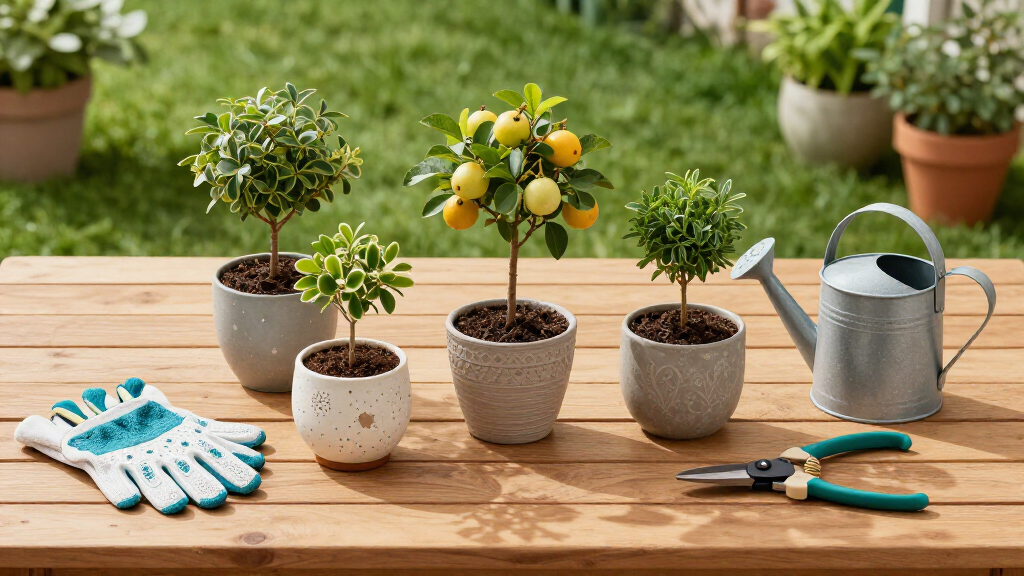
To compile this list, I evaluated each fruit tree based on several criteria: growth habit and size suitability for small spaces, fruit yield and quality, ease of planting and maintenance, adaptability to different climates, and overall value. I prioritized trees that are specifically bred or naturally suited for limited spaces, such as dwarf varieties or container plants. Each option was compared to others in terms of ease of care, productivity, and how well it fits into small-yard landscapes. The ranking reflects a balance between affordability, ease of growth, and fruit production potential, ensuring that each choice offers a clear advantage for small yard gardeners.Factors to Consider When Choosing Best Fruit Trees For Small Yards
Choosing the best fruit trees for small yards requires understanding several key factors. Space limitations mean you’ll want trees that stay compact without sacrificing fruit production. Additionally, climate compatibility and soil conditions influence success, so selecting varieties suited to your environment is crucial. Ease of care and maintenance can vary greatly, especially for beginners, so consider your level of gardening experience. Lastly, think about your preferred fruit types and harvest goals to find options that truly fit your lifestyle and yard size. Being aware of these factors helps avoid common mistakes like overplanting or choosing trees that grow too large for your space.Size and Growth Habit
For small yards, space-efficient growth habits are essential. Dwarf or semi-dwarf varieties typically stay under 8 feet tall, making them easier to manage and fit into tight spaces. Container-grown trees can be even more space-conscious, allowing you to move or store them easily. Be cautious about standard-sized trees, which often require extensive pruning or may outgrow small yards quickly. Selecting trees with a compact growth habit minimizes pruning work and maximizes yard space for other uses or plants.
Fruit Variety and Harvest Timing
Deciding on fruit types depends on your taste preferences and harvest schedule. For year-round fruit, consider a mix of early, mid, and late-season varieties. Dwarf apple, cherry, or plum trees often produce abundant fruit in small spaces, but their flowering and fruiting times vary. Some trees, like mulberries or figs, offer high yields with minimal maintenance. Planning for diversity ensures continuous harvests and prevents disappointment if one variety underperforms due to climate or pests.
Climate and Soil Conditions
Matching your chosen trees to your local climate increases success rates. Some varieties are more tolerant of cold, heat, or humidity, so check regional hardiness zones. Soil quality also matters; many fruit trees prefer well-drained loam, but potted trees can adapt to less ideal soils. If your yard has poor drainage or compacted soil, container planting or raised beds may be better options. Understanding these factors saves time and effort, preventing issues like root rot or poor fruiting.
Ease of Care and Maintenance
Beginners should prioritize low-maintenance trees that require minimal pruning and fertilization. Dwarf trees often need less pruning and are easier to harvest from, reducing labor and stress. Conversely, some fruit trees, like peaches, may need more attention for pest control and pruning. Consider whether you prefer trees that thrive with minimal intervention or are willing to invest time in shaping and care. Proper watering, mulching, and pest management are essential regardless of choice, but selecting resilient varieties can make gardening more enjoyable.
Cost and Long-Term Value
Initial cost varies based on size, variety, and whether the tree is bare-root or potted. While dwarf and container trees tend to be pricier upfront, they often save money in the long run through easier maintenance and higher success rates. Investing in quality, disease-resistant varieties can reduce costs associated with pests and replacements. Balancing budget with your goals helps ensure that your investment results in a productive and manageable fruit-growing experience.
Frequently Asked Questions
Can I grow fruit trees in containers on a small patio or balcony?
Absolutely. Container-grown fruit trees are ideal for small patios or balconies because they can be kept in manageable sizes and moved as needed. Choose dwarf or semi-dwarf varieties and use large pots with good drainage. Container trees often need more frequent watering and fertilization, but they’re easier to control in terms of space and soil quality. Proper placement for sunlight and wind protection enhances their growth and fruiting potential.
What’s the best fruit tree for a very small yard with limited sunlight?
For yards with limited sunlight, look for varieties that tolerate partial shade, such as certain cherry or mulberry trees. Dwarf cherry trees, like Rainier, can produce fruit with fewer hours of direct sun, especially if they receive morning sunlight. Mulberries are also known to grow well in less-than-ideal light conditions. Keep in mind that fruit yield may be lower, but these options can still provide fresh harvests without requiring full sun exposure.
How do I prevent fruit trees from outgrowing my small yard over time?
Choosing dwarf or semi-dwarf varieties from the start is the best way to keep trees manageable. Regular pruning helps control growth and encourages healthy fruit production. Container planting can also limit size, as pots restrict root growth. Additionally, planting trees with naturally compact growth habits and avoiding standard-sized trees ensures your yard remains accessible and attractive. Consistent pruning and proper spacing are key to preventing overgrowth.
Are there fruit trees that require less pest and disease management for small yards?
Yes, selecting disease-resistant and pest-tolerant varieties reduces the need for chemical treatments and frequent interventions. Trees like certain cherry or mulberry varieties have natural resistance, making them easier to care for. Proper site selection, good airflow, and regular sanitation also help prevent pest and disease problems. Investing in healthy, high-quality nursery stock from reputable sources further minimizes issues down the line.
When is the best time to plant fruit trees in a small yard?
The ideal planting time depends on your climate, but generally, early spring or late fall are best for most fruit trees. Planting during these periods allows roots to establish before extreme weather conditions. Bare-root trees should be planted while dormant, while potted trees can be transplanted with less concern. Proper planting depth, watering, and mulching support healthy growth and fruiting in subsequent seasons.
Conclusion
For those new to gardening or with very limited space, the Grow a Little Fruit Tree offers a straightforward, low-maintenance option. If your yard can accommodate a slightly larger tree, the Rainier Cherry Live Plant provides reliable fruit production in a compact form. Gardeners seeking the best overall blend of size, yield, and ease should consider the 3 Apple Tree Saplings, especially for diverse harvests. For those prioritizing premium quality and long-term investment, the Tropic Snow Peach Tree or Flavor Pluot Live Tree are excellent choices. Ultimately, your choice depends on your space, climate, and fruit preferences—there’s a perfect fit for every small yard.