
TL;DR
In June, tomato growers should support vining varieties, prune side shoots, feed plants at flowering, water consistently, and protect from heat. These tasks are confirmed as vital for a healthy, productive harvest.
Gardeners should undertake five confirmed tasks in June to optimize tomato growth and maximize yield, including supporting vining varieties, pruning, fertilizing, watering, and protecting plants from heat stress.

Get garden gear delivered free with Prime
- Fast, free delivery on millions of items
- Prime Video, Amazon Music and more included
- Member-only deals all year
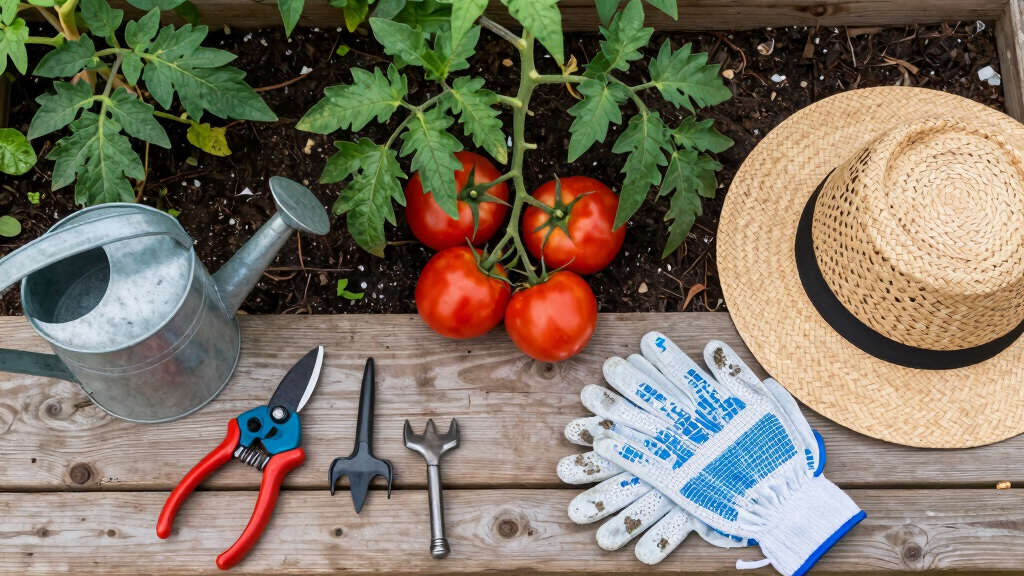
According to gardening expert Halina Shamshur, June is a critical month for tomato care. Vining varieties need support, such as stakes or cages, once they reach 10-12 inches, to prevent flopping and promote healthy growth. Removing side shoots, or ‘suckers,’ helps redirect energy into flowering and fruiting, while also reducing disease risk by removing lower leaves touching the soil.
Fertilization should begin at flowering, focusing on potassium and phosphorus, with low nitrogen fertilizers to encourage fruit development. Regular watering is essential, especially during hot spells, to prevent wilting and fruit drop, with watering ideally at the base to avoid fungal issues. Finally, protecting plants from extreme heat by shading or mulching can prevent heat stress and sunburn, ensuring healthy, juicy tomatoes throughout the season.
Why June Care Is Critical for Tomato Success
Proper care in June directly impacts tomato yield, fruit quality, and plant health. Implementing these tasks helps prevent common issues such as disease, poor fruit set, and heat damage, leading to a more abundant and flavorful harvest. For both beginner and experienced gardeners, timely maintenance ensures a productive season and reduces the risk of crop loss.
Products Worth Considering

Blackstone OTG 22-Inch Propane Tabletop Griddle with Hard Cover

Blackstone 2350 On-the-Go 22-Inch Omnivore Griddle with Hood

Garvee 6 x 10 ft Polycarbonate Greenhouse with Aluminum Steel Frame
As an affiliate, we earn on qualifying purchases.
June Gardening Practices for Tomato Growth
Tomato plants are among the easiest vegetables to grow, but neglecting key tasks in early summer can hinder productivity. Experts emphasize the importance of staking or caging indeterminate varieties, pruning suckers, and adjusting fertilization as plants begin flowering. These practices align with the typical growth cycle in June, when plants are entering their peak fruiting phase.
Previous seasons have shown that failure to support or prune tomatoes can lead to disease and reduced yields, making timely care essential. The advice provided reflects standard horticultural practices tailored to early summer conditions in temperate climates.
Unclear Aspects of June Tomato Care
While these tasks are widely recommended, the specific timing and frequency of pruning or fertilizing may vary depending on local climate, tomato variety, and planting date. It is not yet confirmed whether all gardeners should follow the same schedule or adapt based on their conditions.
Additionally, the best methods for protecting plants from heat waves, such as shading or mulching techniques, are still being studied for their effectiveness across different regions.
Next Steps for Tomato Growers in Early Summer
Gardeners should monitor weather forecasts closely and continue supporting and pruning their plants as needed. Applying fertilization during flowering and maintaining consistent watering will support fruit development. As the season progresses, attention should turn to pest and disease management, as well as further protection during heat spells.
Upcoming weeks will reveal how well the plants respond to these practices, with harvests expected in late summer or early fall depending on local climate and tomato variety.
Key Questions
When should I support my tomato plants in June?
Support should be added once the seedlings reach about 10-12 inches in height, using soft ties or garden twine to prevent flopping and promote healthy growth.
How often should I fertilize my tomato plants in June?
Fertilize once a week during flowering with a low-nitrogen, high-potassium and phosphorus fertilizer to support fruit production.
What is the best way to water tomato plants during hot weather?
Water at the base of the plant regularly, especially during hot spells, avoiding wetting the foliage to reduce disease risk. Use soil moisture meters if possible to prevent overwatering.
How can I protect my tomato plants from extreme heat?
Provide shade, mulch around the base, or use other shading techniques during heatwaves to prevent heat stress and sunburn.
Can I prune my tomato plants now?
Yes, removing side shoots and lower leaves is recommended to improve airflow, reduce disease, and focus energy on fruiting.
Source: Homes & Gardens