You should replace tubing instead of trying to clean it again when you notice signs of deterioration like cracks, leaks, discoloration, or brittleness. Cleaning can only remove surface dirt and buildup, but it won’t fix underlying damage that compromises safety and efficiency. Ignoring these signs risks contamination and equipment failure. Regular inspections help identify when replacement is necessary. If you want to know more about proper maintenance, keep going for further guidance.

Get garden gear delivered free with Prime
- Fast, free delivery on millions of items
- Prime Video, Amazon Music and more included
- Member-only deals all year
Key Takeaways
- Replace tubing when visible signs of damage such as cracks, leaks, or discoloration are present.
- If cleaning does not restore proper performance or flow rates, replacement is necessary.
- When tubing becomes brittle or shows signs of deterioration during inspection, replace it promptly.
- If recurrent blockages or abnormal noises persist after cleaning, consider replacing the tubing.
- Replace tubing within the recommended lifespan (6 months to 1 year) or sooner if deterioration signs appear.
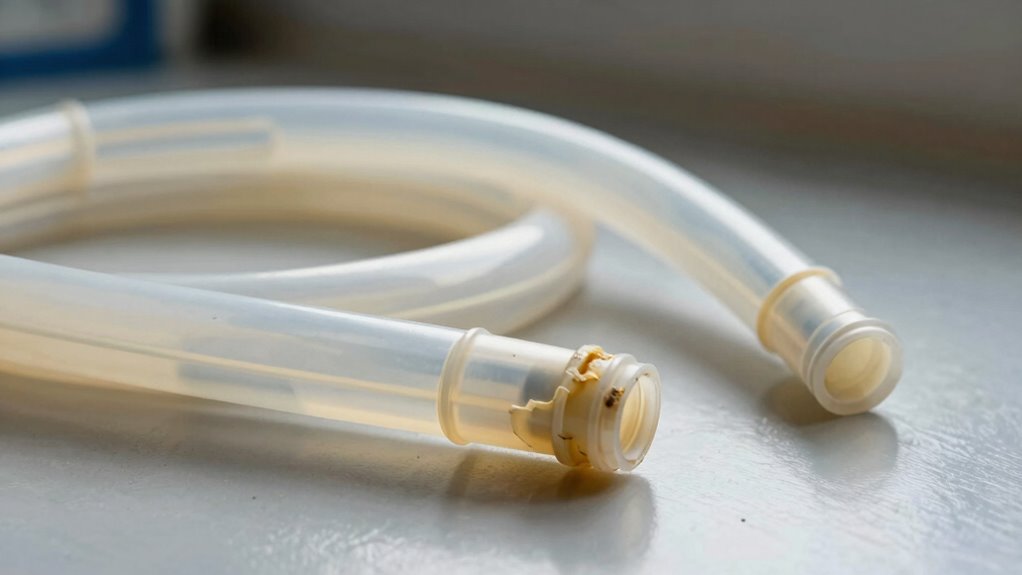
Knowing when to replace tubing is essential for maintaining safe and efficient operation of your equipment. Over time, tubing can wear out, and attempting to clean it repeatedly might do more harm than good. The key is understanding the tubing lifespan and recognizing the signs of deterioration that indicate it’s time for a replacement. While cleaning can extend the life of tubing temporarily, it’s not a substitute for timely replacement, especially when signs of deterioration become evident.
Replacing tubing promptly ensures safety and efficiency, as cleaning alone cannot prevent deterioration over time.
Tubing lifespan varies depending on the type of material, usage conditions, and the environment in which it operates. Generally, most tubing should be replaced every six months to a year, but this can differ. If you notice frequent clogs, cracks, or leaks, it’s a clear sign that the tubing has reached the end of its effective life. Deterioration can also manifest as discoloration, brittleness, or visible damage, all of which compromise the integrity of the tubing. Ignoring these signs may lead to equipment failure, contamination, or safety hazards. Regular inspections and understanding the tubing lifespan are crucial for timely replacements.
Trying to clean tubing repeatedly might seem like a cost-effective solution, but it often isn’t. Cleaning can remove superficial dirt and buildup, but it won’t address the underlying material degradation. Over time, residues and contaminants can embed themselves deeper into the tubing walls, and cleaning agents might even weaken the material further. If you find yourself cleaning the same sections repeatedly without noticeable improvement, it’s a sign that the tubing is no longer fit for purpose. Regular inspections and understanding the material deterioration can help prevent unexpected failures. Recognizing the early signs of wear can save you from costly repairs later.
Another critical aspect is monitoring the performance of your equipment. If you notice reduced efficiency, abnormal noises, or inconsistent flow rates, these could be signs that the tubing is compromised. Often, these symptoms are linked to deterioration or blockages that cleaning alone can’t resolve. In such cases, replacing the tubing is not just about maintaining performance; it’s about ensuring safety and preventing costly damage down the line. Being attentive to performance issues helps you catch problems early and avoid unnecessary downtime.
Ultimately, you should prioritize safety and reliability. When the tubing shows signs of deterioration—such as cracks, brittleness, discoloration, or persistent clogs—don’t hesitate to replace it. Regular inspections and awareness of the tubing’s lifespan help you make informed decisions. Remember, trying to extend the life of damaged tubing through cleaning can lead to more significant issues later. Replacing worn-out tubing promptly keeps your equipment running smoothly, reduces downtime, and keeps your operations safe and efficient.
Products Worth Considering

VEVOR Walk-In Tunnel Greenhouse with Watering System, 15 x 7 x 7 ft

Orbit B-hyve XD 4-Port Smart Hose Watering Timer with Wi-Fi Hub

Blackstone 1814 17-Inch Portable Propane Gas Griddle
As an affiliate, we earn on qualifying purchases.
Frequently Asked Questions
Can Tubing Be Safely Reused After Multiple Cleanings?
You shouldn’t reuse tubing after multiple cleanings, especially if it’s made from materials like silicone or rubber that can degrade. Over time, cleaning techniques may not fully remove bacteria or residue, risking contamination. If you notice cracks, discoloration, or persistent odors, it’s best to replace the tubing. Relying on new tubing guarantees safety and maintains peak performance, rather than risking infections from worn or compromised tubing.
How Often Should Medical Tubing Be Replaced for Safety?
You should replace medical tubing regularly for safety, especially when it’s made from sensitive materials like silicone or PVC. Reuse isn’t recommended after multiple cleanings, as sterilization techniques can degrade tubing or leave residues. Follow manufacturer guidelines and hospital protocols, typically replacing tubing after each patient or when signs of wear, cracks, or contamination appear. Prioritize safety by erring on the side of replacement rather than risking infection or device failure.
Are There Specific Signs Indicating Tubing Failure?
You’ll notice signs of tubing failure when cracks appear, discoloration, or a persistent foul smell, signaling the material is breaking down. If cleaning techniques no longer restore clarity or function, it’s time to replace the tubing. The tubing material acts like a vessel for your safety, so don’t ignore these signs—trust your senses to guide you, and swap it out before failure turns into a bigger problem.
What Types of Tubing Are More Durable and Long-Lasting?
You should choose tubing made from durable materials like silicone or reinforced PVC, as they offer better material durability and resist wear over time. These types are more cost-effective in the long run because they last longer and reduce replacement frequency. Investing in high-quality, long-lasting tubing minimizes maintenance efforts, saving you money and hassle. Always consider the specific application needs when selecting tubing to guarantee maximum durability and cost efficiency.
Does Replacing Tubing Improve Overall Equipment Performance?
Replacing tubing can greatly improve overall equipment performance by guaranteeing material compatibility and maintaining ideal flow. New tubing reduces blockages, leaks, and contamination risks, leading to more efficient operation. While it might seem costly upfront, it’s often more cost-effective long-term by preventing damage and downtime. Regular replacements guarantee your equipment runs smoothly, extend its lifespan, and uphold safety standards, making it a smart choice for sustained performance.
Conclusion
So, when you’re faced with stubborn tubing, remember that sometimes it’s better to cut your losses and replace it rather than keep trying to clean. If it’s cracked, discolored, or causing issues, don’t put it off—these are signs it’s reached the end of its rope. Think of it as knowing when to toss in the towel; replacing your tubing now can save you time, hassle, and potential damage down the road.