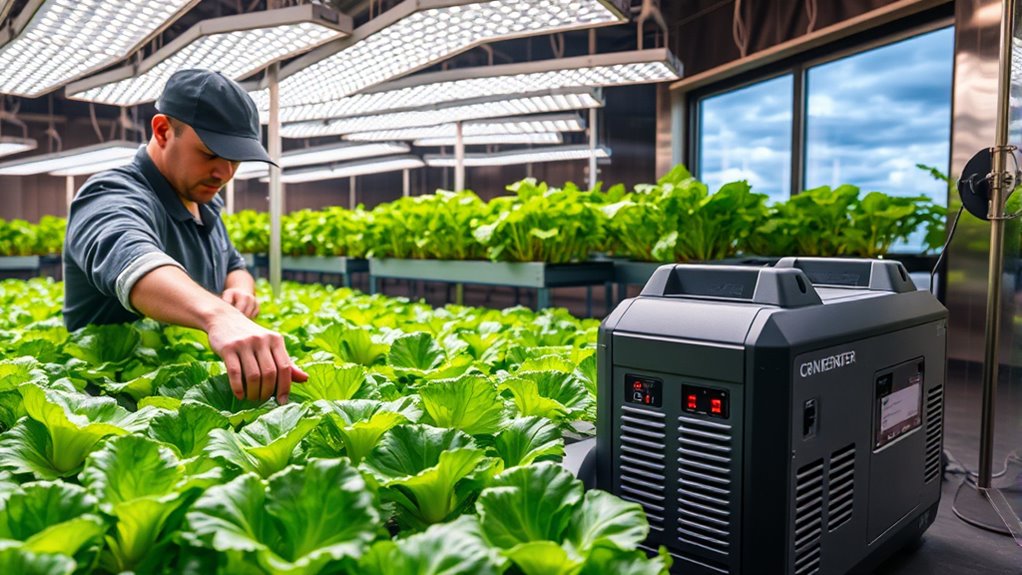

During a power outage, quickly switch to backup solutions like generators or battery systems to keep your hydroponic system running smoothly. Make certain your generator can handle all essential equipment, and consider integrating batteries for short-term needs. Regularly maintain and test your backup plans so they’ll work when needed. Monitoring systems and alarms can alert you early to issues. Keeping these strategies in place helps protect your plants—continue to explore ways to enhance your resilience.

Get garden gear delivered free with Prime
- Fast, free delivery on millions of items
- Prime Video, Amazon Music and more included
- Member-only deals all year
Key Takeaways
- Install backup generators or battery systems to maintain power and prevent equipment failure during outages.
- Regularly test and maintain backup equipment to ensure readiness and quick response when needed.
- Use transfer switches for seamless switching between main power and backup sources, minimizing plant stress.
- Monitor fuel levels, battery charge, and system performance to ensure reliable operation during outages.
- Combine multiple backup options, like generators and batteries, for comprehensive protection against varying outage durations.
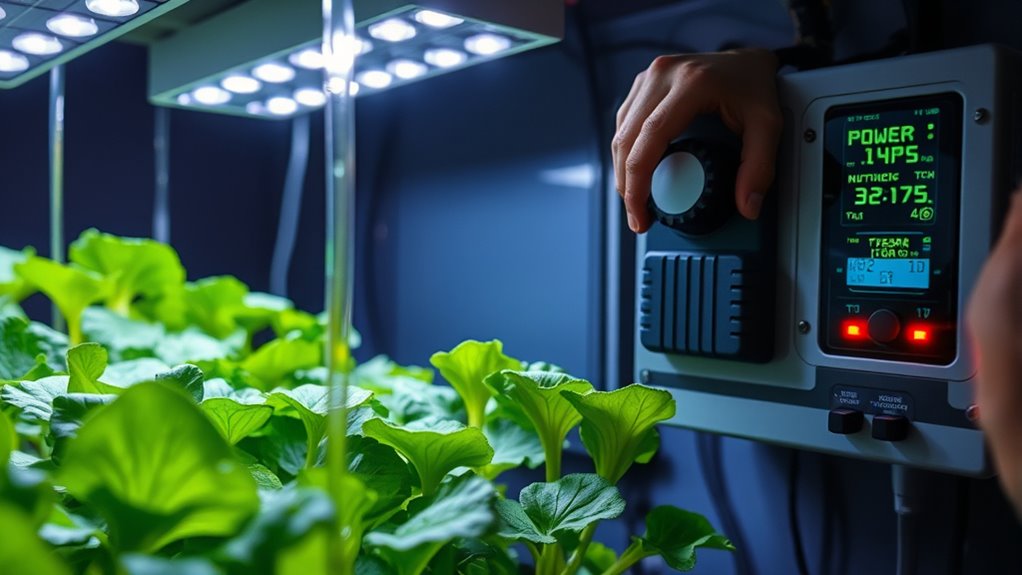
Power outages can pose a serious threat to your hydroponic system, potentially causing roots to dry out, nutrient levels to fluctuate, and plants to suffer stress or die. Without a reliable power supply, your system’s pumps, fans, and lighting can stop working unexpectedly, leading to rapid changes in conditions that plants struggle to survive. To prevent this, you need to be prepared with effective backup solutions that keep your system running smoothly during outages. Two popular options are backup generators and battery systems, each offering distinct advantages.
Power outages threaten hydroponic systems, risking plant stress and damage without backup power solutions.
A backup generator provides a robust and automatic power source, kick-starting as soon as the main power goes out. When choosing a generator for your hydroponic setup, consider a model that can handle the total wattage of your equipment. Gas-powered generators are common, but they do produce noise and emissions. If you prefer a cleaner option, there are propane or natural gas generators that operate more quietly and efficiently. The key is to guarantee your generator has enough capacity to run essential components like water pumps, aerators, and lighting, so your plants stay healthy and stable. Installing a transfer switch allows your system to switch seamlessly from grid power to your generator, minimizing downtime and reducing manual intervention.
Battery systems, on the other hand, are a quieter, more environmentally friendly backup option. They store energy that can be used instantly when power is lost, keeping critical components operating without interruption. Modern battery systems can be integrated with solar panels, making them a sustainable choice for long-term resilience. They’re particularly useful for small-to-medium hydroponic setups because they require less maintenance and are easier to install. You can set up a battery system with an automatic transfer switch that detects power failure and switches to backup power immediately. This quick response helps maintain stable nutrient delivery and oxygenation, preventing root drying and stress.
While both backup generators and battery systems substantially improve your system’s resilience, combining them provides prime security. For example, you might use a battery system for short-term outages and a generator for longer ones. This layered approach ensures your plants are protected regardless of outage duration. Regular maintenance and testing are vital for both solutions to guarantee they work when needed. Check fuel levels, run test cycles, and keep batteries charged and in good condition. Additionally, security measures such as alarm systems and monitoring can alert you promptly to any system issues or outages. With reliable backup power, you can confidently safeguard your hydroponic crops from unexpected outages, maintaining consistent growth conditions and maximizing your yield.
As an affiliate, we earn on qualifying purchases.
Frequently Asked Questions
How Can I Prevent Power Outages in My Hydroponic System?
To prevent power outages in your hydroponic system, you should invest in a solar backup to guarantee continuous operation during outages. Additionally, set up power monitoring to detect issues early and respond swiftly. Regularly maintain your backup system and monitor energy use. This way, you minimize disruptions, keep your plants healthy, and maintain ideal growth conditions without worrying about unexpected power failures.
What Backup Power Options Are Most Cost-Effective?
Think of your hydroponic system as a delicate garden needing constant care. To keep it thriving during outages, solar generators and battery backups are your best allies. Solar generators harness the sun’s energy, making them a cost-effective, eco-friendly choice. Battery backups provide immediate power, ensuring your plants stay healthy. These options are affordable, reliable, and simple to implement, giving your garden the resilience it needs to weather any power interruption.
How Long Can My Plants Survive Without Power?
Your plants can survive roughly 4 to 6 hours without power if you maintain proper plant nutrition and water temperature. During this time, make certain your nutrient levels stay balanced and water temperature remains stable to prevent root stress. After this period, plants may experience nutrient deficiencies or water temperature fluctuations, which can hinder growth. To avoid damage, consider backup power options or manual interventions during outages.
Are There Specific Hydroponic Setups More Resistant to Outages?
You’ll find that resilient configurations and outage resistant designs make your hydroponic system more durable during power disruptions. Systems like flood-and-drain setups or aeroponics with backup power sources stand out. These setups are more resistant to outages because they minimize dependency on continuous power, ensuring your plants stay healthy even when the lights go out. Investing in such designs helps keep your crops thriving despite unexpected interruptions.
How Do I Prioritize System Components During a Blackout?
During a blackout, prioritize emergency protocols by securing your system’s critical components first. Guarantee your water pumps and oxygenation systems are maintained and ready to switch to backup power sources. Focus on stabilizing nutrient delivery and preventing root damage. Keep emergency supplies accessible and follow established system maintenance routines. This approach minimizes crop stress and damage, allowing you to respond quickly and effectively until power is restored.
hydroponic battery backup system
As an affiliate, we earn on qualifying purchases.
As an affiliate, we earn on qualifying purchases.
Conclusion
Remember, while power outages can be stressful, they don’t have to ruin your hydroponic garden. By having backup plans like battery-powered pumps or manual systems, you keep your plants safe and thriving. It’s a myth that outages always spell disaster—preparedness is key. Trust in your ability to adapt, and you’ll enjoy the journey of growing healthy plants, even when power’s out. Stay proactive, and your hydroponic success will continue uninterrupted.
automatic transfer switch for hydroponics
As an affiliate, we earn on qualifying purchases.
As an affiliate, we earn on qualifying purchases.
solar battery system for hydroponic setup
As an affiliate, we earn on qualifying purchases.
As an affiliate, we earn on qualifying purchases.
Halloween Picks
halloween
As an affiliate, we earn on qualifying purchases.