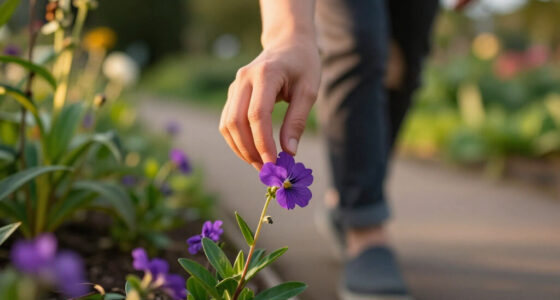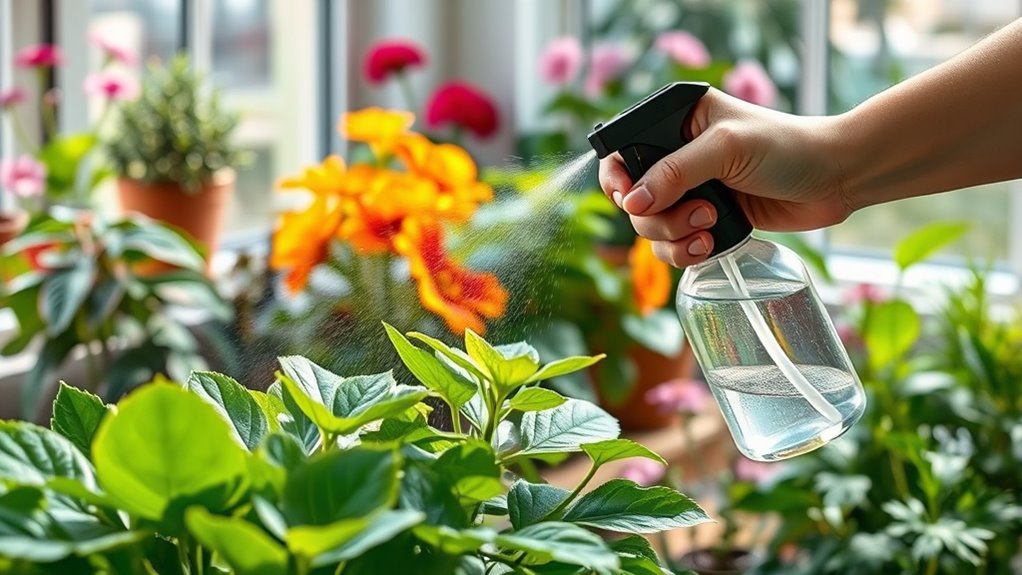

To manage indoor garden pests without toxins, regularly inspect your plants for tiny insects, webbing, or damaged leaves. Use natural predators like ladybugs or parasitic wasps, and make homemade remedies with garlic, neem oil, or insecticidal soaps. Practice cultural strategies such as proper spacing, cleanliness, companion planting, and light management to boost plant health and prevent infestations. For effective and safe pest control, exploring these natural methods further will help keep your garden thriving.
Prime for Young Adults — start your free trial
Fast free delivery, streaming and member deals for eligible 18–24 year olds.
As an affiliate, we earn on qualifying purchases.
Key Takeaways
- Conduct regular visual inspections and use magnifying tools to detect pests early and prevent infestations.
- Introduce beneficial insects like ladybugs and predatory mites to naturally control pest populations.
- Apply eco-friendly remedies such as neem oil, insecticidal soap, garlic, and hot pepper sprays.
- Maintain proper plant care, including adequate lighting, spacing, and cleanliness to enhance plant resilience.
- Use physical barriers like sticky traps and screens alongside monitoring tools for proactive pest prevention.
indoor garden pest control natural
As an affiliate, we earn on qualifying purchases.
As an affiliate, we earn on qualifying purchases.
Identifying Common Indoor Garden Pests

Indoor garden pests can quickly become a problem if you don’t learn to recognize them early. Common pests include aphids, spider mites, and fungus gnats, which can damage your plants and spread disease. Check your plants regularly for tiny insects or webbing, especially on new growth. Using companion planting can help deter pests naturally, as certain plant combinations repel unwanted visitors. Additionally, choosing pest resistant varieties when selecting plants reduces the likelihood of infestations. Look for signs like yellowing leaves, sticky residue, or distorted growth, which signal pest activity. Early detection is key to controlling pests before they spread. By staying vigilant and understanding what pests look like, you can take prompt action to protect your indoor garden. Regular inspections can also help identify pest activity before it becomes an infestation.
beneficial insects for indoor plants
As an affiliate, we earn on qualifying purchases.
As an affiliate, we earn on qualifying purchases.
Natural Predators and Beneficial Insects

Beneficial insects like ladybugs and predatory mites can help control pests naturally. Knowing which types work best for your plants is key to success. You’ll also want to learn the best times and methods to release them for maximum impact. Utilizing natural predators can be highly effective, especially when combined with other integrated pest management strategies.
Beneficial Insect Types
Have you ever considered how natural predators can help control pests in your indoor garden? Beneficial insects come in various types, each targeting specific pests. These include ladybugs, predatory mites, parasitic wasps, lacewings, and ground beetles. Ladybugs feast on aphids, while predatory mites target spider mites. Parasitic wasps lay eggs inside pest insects, controlling their populations naturally. Lacewings are effective against soft-bodied pests like whiteflies. Ground beetles help reduce soil-dwelling pests. To support these beneficial insects, use companion planting to attract them and incorporate insect traps to monitor pest levels. Additionally, understanding AI in Education can help gardeners access detailed guides and tutorials on pest management strategies. By understanding the different beneficial insect types, you can create a balanced, non-toxic pest management system that enhances your indoor garden’s health.
Effective Release Strategies
To guarantee natural predators effectively control pests in your indoor garden, proper release strategies are essential. Begin by releasing beneficial insects during early morning or late afternoon to minimize stress and maximize their activity. Before releasing, confirm your environment has ideal humidity control, as too dry or humid conditions can hinder their effectiveness. Incorporate compost tea into your routine to promote healthy plant growth, making plants less attractive to pests and more resilient against invasions. Spread beneficial insects evenly across affected areas, focusing on hotspots. Monitor their activity, and if needed, release additional predators after a week. Consistent maintenance, combined with strategic releases, enhances pest control and keeps your indoor garden thriving naturally. Additionally, understanding indoor gardening best practices can help create an optimal environment that supports both your plants and beneficial insects.
As an affiliate, we earn on qualifying purchases.
Homemade Organic Sprays and Remedies

Homemade organic sprays and remedies offer an effective and eco-friendly way to control pests in your indoor garden. You can craft DIY remedies using simple ingredients to target common pests without harmful chemicals. Herbal infusions, like garlic or neem oil, are popular for their natural pest-repelling properties. These remedies are easy to prepare and safe for your plants and pets.
Some effective options include:
- Garlic and hot pepper spray
- Neem oil solution
- Insecticidal soap made from castile soap
- Neem and herbal infusions
- Onion and soap spray
As an affiliate, we earn on qualifying purchases.
Cultural Practices to Prevent Infestations

Implementing proper cultural practices is a proactive way to keep pests at bay in your indoor garden. Start with companion planting, which pairs plants that naturally repel pests or attract beneficial insects. For example, basil nearby can deter aphids, while marigolds attract predatory insects. Crop rotation is also essential; avoid planting the same species in the same spot season after season, as this prevents pest buildup and breaks their life cycle. Changing plant locations reduces the risk of infestations and promotes healthier soil. Keep your garden clean by removing debris and fallen leaves that harbor pests. Proper spacing improves airflow, reducing humidity and discouraging mold and pests. Additionally, understanding the importance of contrast ratio in pest prevention highlights how clear, healthy plant images can help you spot early signs of infestations before they spread. These practices create a less inviting environment for pests, minimizing the need for interventions.
Maintaining a Healthy and Resilient Garden

To keep your indoor garden healthy and resistant to pests, focus on maintaining proper nutrient balance and ensuring your plants get enough light. Healthy plants are better at fighting off pests and diseases, so pay attention to their care needs. By choosing pest-resistant varieties and providing optimal conditions, you create a resilient garden that requires fewer interventions. Incorporating airless spray technology in your plant care routine can improve the application of natural pest repellents, enhancing their effectiveness.
Proper Nutrient Balance
Maintaining the right balance of nutrients is essential for a healthy and resilient indoor garden. Proper nutrition supports strong plant growth and helps ward off pests. To achieve this, focus on smart soil amendments that improve nutrient availability and structure. Adjust your watering practices to prevent over- or under-watering, which can stress plants and weaken defenses. Regularly test your soil to monitor nutrient levels and make timely adjustments. Incorporate organic fertilizers and compost to naturally boost nutrient content. Keep a close eye on your plants for signs of deficiencies or excesses. By balancing nutrients effectively, you create a thriving environment less attractive to pests. Remember, healthy plants are your best defense against infestations and disease.
Adequate Lighting Conditions
Ensuring your indoor garden receives adequate lighting is key to supporting healthy, resilient plants. Proper lighting encourages vigorous growth and strengthens plants against pests. If natural light is limited, artificial lighting becomes essential. Use grow lights that emit a suitable light spectrum, such as full-spectrum LEDs, to mimic natural sunlight. This helps your plants photosynthesize efficiently and develop strong leaves and stems. Avoid insufficient or inconsistent lighting, which can cause legginess and weaken your plants’ defenses. Position lights at the correct distance and duration to optimize growth. Regularly monitor your plants’ response to the light; healthy, well-lit plants are less susceptible to pests and disease. Consistent, appropriate lighting creates a robust indoor garden that can better withstand pest challenges. Additionally, maintaining proper light quality is crucial for preventing stress-related vulnerabilities in your plants.
Pest-Resistant Plant Care
A healthy and resilient indoor garden starts with choosing the right plants and providing proper care. To minimize pest issues, focus on selecting pest-resistant varieties that naturally deter pests. Incorporate companion planting by pairing plants that support each other’s health and repel insects. Proper watering, fertilizing, and cleaning also strengthen plant defenses. Regularly inspect your plants for early signs of pests or disease. Use physical barriers like screens or sticky traps to prevent infestations. Creating a balanced environment helps your garden resist pests without chemicals. Remember, strong, healthy plants are less attractive to pests and more likely to thrive.
- Choose pest-resistant plant varieties
- Practice companion planting strategies
- Maintain ideal watering and fertilizing
- Regularly inspect and monitor plants
- Use physical barriers and traps
Monitoring and Early Detection Techniques

Effective monitoring and early detection are crucial for managing pests in your indoor garden before infestations become severe. You should set up sensor alerts that notify you when environmental conditions favor pest development, such as humidity or temperature spikes. Regular visual inspections are equally important; check plants carefully for signs of pests like webbing, holes, or discolored leaves. Use a magnifying glass to spot tiny insects or eggs that might be hidden. Keeping a routine of inspecting your plants weekly helps catch problems early. Combining sensor alerts with consistent visual checks allows you to identify issues quickly and take non-toxic action. Early detection minimizes damage and keeps your indoor garden healthy without resorting to harsh chemicals. Additionally, understanding pest behavior can help you anticipate and prevent infestations more effectively.
Frequently Asked Questions
How Often Should I Inspect My Indoor Garden for Pests?
You should inspect your indoor garden at least once a week to catch pests early. An effective inspection schedule helps with pest prevention and keeps problems manageable. Look closely at leaves, stems, and soil for signs of pests or damage. Regular checks allow you to take quick action, reducing the need for harsh chemicals. Staying vigilant ensures your garden stays healthy and pest-free, making inspections a essential part of your routine.
Can Non-Toxic Solutions Harm Beneficial Insects?
Think of your indoor garden as a lively neighborhood. Non-toxic solutions are like friendly neighbors that keep pests away without harming beneficial insects. Unlike pesticides, these gentle methods have minimal impact on beneficial insects, preserving the balance. You can confidently use non-toxic solutions, knowing they don’t disrupt the pesticide impact on your garden’s ecosystem. This way, your garden stays healthy, thriving, and full of beneficial insect allies.
Are There Specific Plants More Prone to Pests Indoors?
Some plants are more pest prone species due to their plant susceptibility or attractive features, so you should pay extra attention to them indoors. For example, herbs like basil and mint often attract pests, while leafy greens can be vulnerable too. Understanding which plants are pest prone species helps you monitor and manage issues early, reducing the need for harsh treatments and keeping your indoor garden healthy and thriving.
What Signs Indicate a Pest Infestation Is Worsening?
Imagine you notice tiny holes in your plant’s leaves and sticky residue—these are signs the pest infestation is worsening. As pests go through their life cycle, damage symptoms like wilting, discoloration, or webbing become more evident. If these signs intensify, pests are multiplying, and the infestation is spreading. Monitoring regularly helps catch these early, so you can act before the damage worsens and disrupts your indoor garden’s health.
How Do I Safely Dispose of Infected Plant Material?
To safely dispose of infected plant material, start with quarantine procedures to prevent spreading pests. Wrap the contaminated parts in plastic and discard them in the trash, not compost. If you want to compost, use specific composting tips like high heat to kill pests. Avoid leaving infected material in your garden or compost pile, as it can reinfest healthy plants. Proper disposal keeps your indoor garden pest-free and healthy.
Conclusion
By staying vigilant and embracing these natural solutions, you become the hero of your indoor garden story. Think of pests as unwelcome guests—you hold the power to gently escort them out without harsh chemicals. With proactive monitoring and nurturing healthy plants, you create a resilient oasis that thrives effortlessly. Remember, a pest-free garden isn’t just a dream; it’s a story you write every day—one natural, non-toxic chapter at a time.
NFL season / tailgating Picks
team gear
As an affiliate, we earn on qualifying purchases.