The smartest way to label reservoirs, lines, and plant zones is by combining automated and visual labeling systems. Use bright colors, clear fonts, and consistent symbols for quick recognition. Integrate sensor data with digital labels that update automatically, ensuring accuracy and relevance. This approach minimizes human errors, boosts operational efficiency, and enhances safety. If you want to explore how to implement these smart labeling strategies effectively, keep exploring the options available for your system.

Get garden gear delivered free with Prime
- Fast, free delivery on millions of items
- Prime Video, Amazon Music and more included
- Member-only deals all year
Key Takeaways
- Implement automated, digital labeling systems that update in real-time to maintain accuracy amid system changes.
- Use color-coded zones and consistent symbols for quick visual identification and efficient management.
- Integrate sensor data with management software for dynamic, accurate label updates reflecting current system status.
- Apply clear, legible fonts and standardized symbols to reduce confusion and enhance clarity.
- Regularly review and adapt labels to evolving system configurations, ensuring ongoing relevance and operational safety.
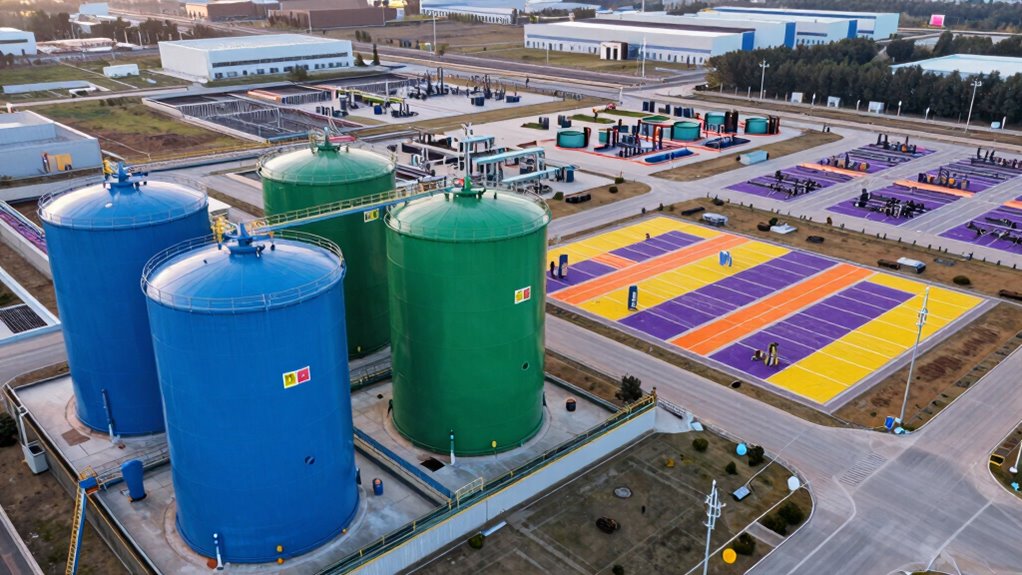
Proper labeling of reservoir and plant zones is vital for effective water management and plant health. When you can quickly identify different sections, you reduce the risk of errors, streamline maintenance, and guarantee your system runs smoothly. The smartest way to accomplish this is through automated labeling combined with clear visual identification. Automated labeling involves using technology that dynamically updates labels as your system changes, eliminating confusion caused by outdated or manual labels. This approach guarantees that every reservoir, line, and zone is accurately marked, even as modifications happen over time, saving you time and effort. Incorporating system adaptability ensures your labeling remains relevant and accurate despite ongoing changes to your setup. Additionally, real-time updates can be facilitated through sensor data, further enhancing label accuracy and system responsiveness. Visual identification plays an essential role in making your labels immediately understandable. Bright colors, consistent symbols, and clear fonts help you and your team recognize zones at a glance. For example, using green labels for zones with high water demand or red for areas requiring special attention quickly communicates critical information without needing to read lengthy descriptions. When combined with automated labeling systems, you get labels that adjust visually in real-time, reflecting current statuses and modifications without manual intervention. This synergy minimizes miscommunication and makes managing your irrigation or water distribution system more efficient. Additionally, sensor data integration can enhance the accuracy of labels by providing real-time feedback on system performance. Incorporating digital labeling solutions that connect to your management software can further streamline the process by enabling automatic updates based on sensor data, system changes, or scheduled maintenance. The key benefit of this approach is consistency. Automated labels ensure every zone is identified correctly and uniformly, reducing human error. Visual cues like color coding and iconography make it easier for you and your team to interpret system status without confusion. As your system evolves, these labels adapt accordingly, so you always have accurate, up-to-date information. This method not only enhances operational efficiency but also improves safety, as clear labeling helps prevent accidental damage or mismanagement.
digital labeling system for water reservoirs
As an affiliate, we earn on qualifying purchases.
As an affiliate, we earn on qualifying purchases.
Frequently Asked Questions
How Often Should Reservoir Labels Be Updated for Accuracy?
You should update reservoir labels regularly to guarantee label accuracy, especially after reservoir maintenance or changes in the system. Ideally, review and revise labels at least semi-annually or whenever modifications occur. Keeping labels current minimizes confusion, prevents errors, and enhances safety. By maintaining accurate labels, you improve operational efficiency and ensure everyone has the correct information, supporting smooth plant operations and reliable system management.
What Materials Are Best for Outdoor Labeling Durability?
You need weather-resistant adhesives and UV-resistant materials for outdoor labeling to guarantee longevity. These materials withstand harsh conditions like rain, sunlight, and temperature changes. Vinyl, laminated labels, or specialty plastics work well because they resist fading, peeling, and tearing. When you choose durable, weatherproof labels, they stay legible and intact, saving you time and effort in maintenance. Investing in high-quality materials guarantees your labels last, even in tough outdoor environments.
Can Digital Labeling Systems Integrate With Existing Plant Management Software?
Yes, digital labeling systems can integrate with your existing plant management software. You just need to guarantee software compatibility and choose systems that support digital integration. Many modern labeling solutions offer seamless data sharing, enabling you to update labels instantly and improve accuracy. This integration streamlines operations, reduces manual input, and makes managing reservoirs, lines, and zones much more efficient and reliable.
How Do Color Codes Improve Labeling Efficiency?
Color codes improve labeling efficiency by providing quick visual identification, allowing you to distinguish between reservoirs, lines, and zones instantly. With clear color coding, you reduce errors and save time, as you don’t need to read detailed labels every time. This visual system streamlines maintenance and troubleshooting, making plant operations smoother. Overall, color coding enhances clarity and speeds up your response times in critical situations.
What Are Common Mistakes to Avoid When Labeling Plant Zones?
To avoid plant zone confusion, make certain your labels are clear and easy to read, using consistent terminology and color codes throughout your system. Don’t mix label styles or abbreviations, as this hampers labeling consistency. Also, double-check labels for accuracy and durability, especially in outdoor environments. Regularly review your labeling system to catch any discrepancies early, helping you maintain organized and effective plant zone management.
As an affiliate, we earn on qualifying purchases.
Conclusion
So, next time you’re labeling reservoirs, lines, or plant zones, remember: clarity isn’t just for efficiency—it’s a secret weapon against chaos. Because if you think a confusing label won’t someday cause a hilarious mess, think again. Save yourself the trouble, and give your labels a little extra thought. After all, in the grand scheme of things, a well-labeled system is the smart way to avoid becoming the star of your own comedy of errors.
As an affiliate, we earn on qualifying purchases.
automated labeling software for irrigation
As an affiliate, we earn on qualifying purchases.
As an affiliate, we earn on qualifying purchases.
Halloween Picks
halloween
As an affiliate, we earn on qualifying purchases.