TL;DR
Gardeners can boost their daylilies to produce a second bloom with a straightforward pruning technique. Experts confirm this method encourages additional flowering and keeps plants looking fresh.
Gardening experts confirm that pruning your daylilies after their first bloom can encourage a second round of flowers. This simple technique offers gardeners a way to extend the flowering season and maintain a vibrant garden appearance.
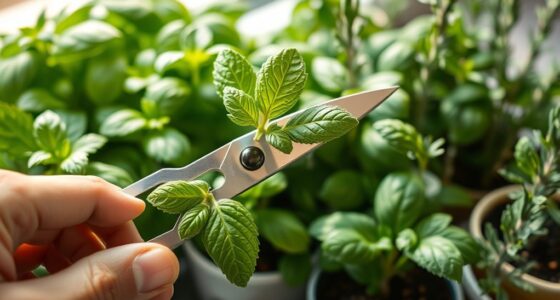
According to horticulturists, the key to stimulating a second bloom in daylilies involves cutting back the flower stalks once the initial flowering period ends. This process, known as deadheading, redirects the plant’s energy toward producing new flower buds.
Expert gardener Jane Smith from the National Garden Association explained, “By removing the spent flower stalks, you signal the plant to focus on producing new buds, which can result in a second flush of blooms within the same growing season.” The recommended timing for this pruning is about six weeks after the first wave of flowers has faded.
Additionally, maintaining proper watering and fertilization during this period supports healthy regrowth. A balanced fertilizer with higher phosphorus content can promote flowering, while consistent watering keeps the plant vigorous.
Why Extending Your Daylilies’ Bloom Period Matters
Encouraging a second bloom cycle from daylilies allows gardeners to maximize their flowering display without additional planting. This technique can make gardens more colorful and reduce the need for frequent replanting, saving time and resources. For amateur gardeners and professionals alike, understanding simple pruning methods enhances plant health and garden aesthetics.

DECERK® 8.5" Professional Pruning Shears – Cuts 4X Easier with Ultra Sharp Japanese Steel Titanium Blade, Arthritis Friendly Garden Scissors & Plant Clippers, Effortlessly Prunes 3/4" Branches
- Unbreakable Sharp Japanese Steel Blade: Endures 100,000 cuts with titanium coating
- Enhanced Sharpness & Durability: SK5 steel with 3-layer titanium alloy coating
- Corrosion Resistant Anodized Handles: Provides strength and longevity
As an affiliate, we earn on qualifying purchases.
As an affiliate, we earn on qualifying purchases.
Background on Daylily Bloom Cycles and Care Tips
Daylilies are popular perennial flowers known for their vibrant, trumpet-shaped blooms that typically last for one to two weeks per flowering cycle. While most varieties bloom once per season, some cultivars are capable of reblooming if properly cared for. Gardeners have long sought methods to extend the flowering period, especially in regions with short growing seasons.
Previous practices included deadheading and fertilization, but recent advice emphasizes strategic pruning after the initial bloom to stimulate a second wave of flowers. This approach aligns with the plant’s natural growth cycle, encouraging it to produce new flowering stems.

2 Pcs Rose Thorn Remover Stripper Tool,Flower Stem Cleaner Cutter,Efficient Safe for Home Flower/Shop Gardening, Floral Arrangement,DIY and Gardening Work(Rose Red)
- Efficient Thorn Removal: Quickly strips thorns from various flower stems
- Safe Design: Cut-resistant structure and non-slip grip
- Wide Application: Suitable for home, shop, and professional gardening
As an affiliate, we earn on qualifying purchases.
As an affiliate, we earn on qualifying purchases.
What Aspects of the Second Bloom Technique Are Still Unclear
While the technique is widely recommended, it is not yet confirmed whether all daylily varieties respond equally well to this pruning method. The exact timing and extent of pruning needed for optimal results can vary depending on climate, soil, and specific cultivar traits. Further research is needed to establish standardized guidelines for different growing conditions.

Miracle-Gro Water Soluble Bloom Booster Flower Food 4 lb
- Enhances flower blooms and color: Promotes more blooms for greater color
- Bi-weekly feeding schedule: Feed every 2 weeks
- Immediate nutrient absorption: Instantly feeds for beautiful results
As an affiliate, we earn on qualifying purchases.
As an affiliate, we earn on qualifying purchases.
Next Steps for Gardeners Applying the Second Bloom Method
Gardeners are advised to try this pruning method during the late summer or early fall, observing their plants’ response. Experts recommend documenting results and adjusting timing or pruning intensity accordingly. Ongoing research and shared gardener experiences will help refine best practices in the coming seasons.

Chapin 2-Gallon Watering Can, Drip-Free Spout for Clean Pour
- Eco-Friendly Material: Made from 100% recycled polymer
- Leak-Free Spout: Rubber gasket prevents leaks during watering
- Made in the USA: Designed and produced in Batavia, NY
As an affiliate, we earn on qualifying purchases.
As an affiliate, we earn on qualifying purchases.
Key Questions
When is the best time to prune daylilies for a second bloom?
The optimal time is approximately six weeks after the first wave of flowers has faded, typically in late summer or early fall, depending on your climate.
Do all daylily varieties rebloom after pruning?
Not all varieties will rebloom; reblooming depends on the cultivar and growing conditions. Some are naturally more likely to produce a second flush than others.
What type of fertilizer supports a second bloom?
A balanced fertilizer with higher phosphorus content can promote flowering. Applying fertilizer during the pruning period helps support new growth.
How much should I cut back during pruning?
Remove the spent flower stalks at or just above the base, trimming back to healthy foliage. Avoid cutting into the crown or too close to the base of the plant.
Will pruning harm my daylilies?
When done properly, pruning is safe and beneficial. It helps maintain plant health and encourages additional flowering without damaging the plant.
Source: rss