TL;DR
Horticulturists advise gardeners to fertilize azaleas and rhododendrons in late summer. This practice promotes healthier growth and more vibrant blooms next year. The timing and type of fertilizer are key, but details on application methods are still emerging.
Gardening experts agree that applying fertilizer to azaleas and rhododendrons in late summer is crucial for achieving maximum blooms next year. This practice helps promote healthy growth and vibrant flowering, making it a key step for gardeners aiming for lush displays.
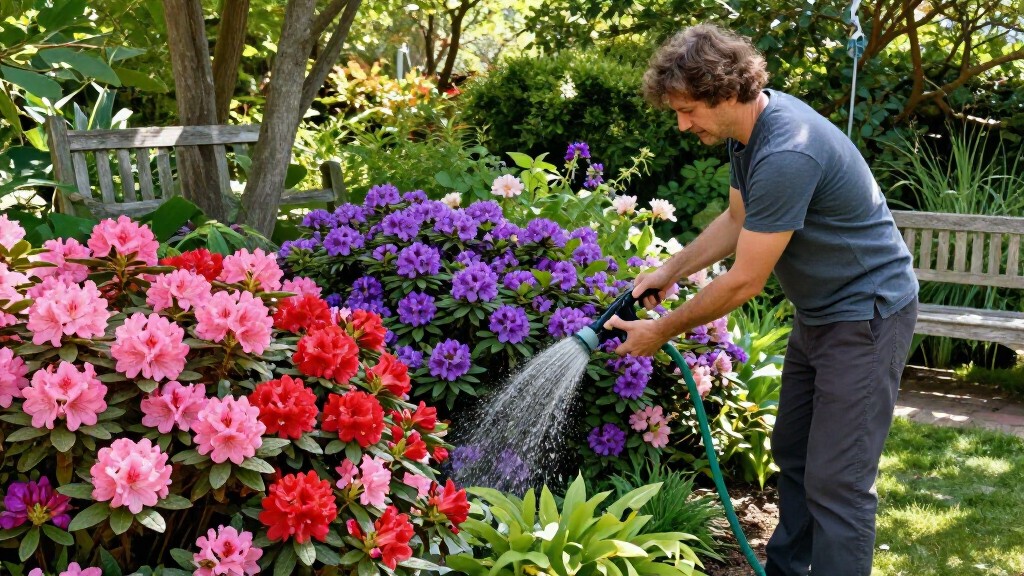
Horticulturists emphasize that fertilizing azaleas and rhododendrons in late summer, typically August or early September, supports the development of flower buds for the following season. Experts recommend a balanced, acid-forming fertilizer with a higher phosphorus content to encourage blooming. According to the American Horticultural Society, this timing helps plants store energy and nutrients needed for vigorous flowering.While the importance of late summer fertilization is widely acknowledged, specific application methods vary. Gardeners are advised to follow product instructions carefully and avoid over-fertilizing, which can harm the plants. Local extension services suggest watering thoroughly after fertilizing to help nutrients penetrate the soil and prevent root burn.
Why Late Summer Fertilization Is Key for Blooming Success
This advice matters because proper fertilization in late summer directly influences the quantity and quality of blooms in the next flowering cycle. By providing essential nutrients at this stage, gardeners can ensure their azaleas and rhododendrons develop strong flower buds, resulting in more vibrant and abundant displays. Failure to fertilize appropriately may lead to weaker growth and fewer blooms, affecting the aesthetic value of these popular shrubs.
acid fertilizer for azaleas and rhododendrons
As an affiliate, we earn on qualifying purchases.
As an affiliate, we earn on qualifying purchases.
Timing and Fertilizer Choices for Optimal Results
Azaleas and rhododendrons are known for their spectacular spring blooms, but their flowering depends heavily on care during late summer. Historically, gardeners have been advised to fertilize in early spring, but recent horticultural research highlights the importance of late summer feeding for bud development. Experts note that a balanced, acid-forming fertilizer with higher phosphorus levels is most effective. This practice aligns with the plants’ natural growth cycle, which involves energy storage in preparation for next year’s flowering.
“Applying a balanced, phosphorus-rich fertilizer in late summer is essential for azaleas and rhododendrons to develop strong flower buds for the next season.”
— Dr. Susan Miller, horticulturist at the University of Georgia
phosphorus-rich fertilizer for flowering shrubs
As an affiliate, we earn on qualifying purchases.
As an affiliate, we earn on qualifying purchases.
Uncertainties About Fertilizer Application Methods
While experts agree on the importance of late summer fertilization, specific details—such as exact fertilizer formulations, application rates, and timing—are still being refined. Some gardeners question whether organic fertilizers are equally effective, and whether late fertilization might risk overfeeding or damaging the plants. Further research is needed to establish standardized guidelines for diverse climates and soil types.
As an affiliate, we earn on qualifying purchases.
Next Steps for Gardeners Preparing for Next Year’s Blooms
Gardeners are advised to follow local extension service recommendations and select appropriate fertilizers based on soil tests. Monitoring plant response and adjusting fertilization practices accordingly will help optimize bloom quality. Experts also suggest documenting application timing and outcomes to refine future gardening strategies. Ongoing research into best practices will continue to shape these guidelines.
As an affiliate, we earn on qualifying purchases.
Key Questions
When is the best time to fertilize azaleas and rhododendrons in late summer?
Most experts recommend fertilizing in August or early September, depending on local climate conditions and plant health.
What type of fertilizer should I use for late summer feeding?
A balanced, acid-forming fertilizer with a higher phosphorus content is preferred to promote flowering and bud development.
Can I fertilize organic or natural fertilizers in late summer?
Yes, organic options such as composted manure or fish emulsion can be effective, but ensure they contain appropriate nutrient ratios and are applied carefully.
What are the risks of fertilizing too late or with the wrong product?
Over-fertilizing or using inappropriate products can lead to root damage, excessive foliage growth at the expense of blooms, or nutrient runoff issues.
Will late summer fertilization work for all climates?
Most regions benefit, but gardeners should consider local climate and soil conditions, consulting local extension services for tailored advice.
Source: rss