
TL;DR
A Gardening Know How guide recommends planting nine less-common spring-flowering bulbs in October, including parrot tulips, double anemones and sculptural alliums. The report says most need only full sun and good drainage to return each spring with little maintenance. October planting gives bulbs time to root before winter.
Gardening Know How has published a guide recommending nine spring-flowering bulbs to plant in October, arguing that gardeners who move beyond standard tulips and daffodils can get showier spring blooms with no extra effort. The report, aimed at beginners as much as experienced growers, says fall planting gives bulbs time to establish roots before winter, and that most of the featured varieties need little more than good drainage and plentiful sunshine to flower reliably each spring.
The nine recommended bulbs were selected, according to the report’s author, for “standout flowers, intriguing shapes and plenty of personality” rather than difficulty. Among the highlighted options are parrot tulips, which flower later than many tulips — around May — and are described as useful for bridging the gap between early bulbs and summer blooms. The report notes their dramatically cut, twisted and feathered petals, with varieties such as ‘Black Parrot’ and ‘Flamingo Queen’ singled out. Parrot tulips suit zones 3 through 8, grow 18 to 24 inches tall, and prefer full sun and sharply drained soil, preferably sheltered from wind.
Double-flowered anemones form the second group. The report describes their layered, almost peony-like blooms, with newer Fullstar varieties producing ruffled flowers up to about 4 inches across on compact plants suited to containers, rock gardens or border fronts. Although sold as bulbs, anemones actually grow from small woody corms; for fall planting, the report advises soaking the dry corms in tepid water for up to 24 hours first. Because these Mediterranean-origin plants are sensitive to wet conditions while dormant, the report recommends a sunny, sheltered spot with fertile, very well-drained soil. They are hardy in zones 7 through 10 and grow 12 to 18 inches tall.
The third detailed group is ornamental alliums, with sculptural varieties such as Allium ‘Hair’, A. schubertii — whose starburst blooms can reach a foot across — and ‘Art’ recommended for hot, dry, sunny borders. The report says alliums should be planted in early to mid-fall in free-draining soil, watered once to settle them in, and then largely left alone, since damp ground is the main reason these bulbs fail. Dried seedheads persist after flowering, adding border structure, and the flowers attract pollinators. The report also recommends tools such as a bulb planter for the job and advises wearing gloves when handling bulbs and corms, following all package instructions.
Why October Planting Pays Off
The report’s core claim is timing: October planting gives spring bulbs a rooting window before the ground freezes, which the author says leads to stronger flowering than late plantings. For readers planning next spring’s garden, this makes the coming weeks the practical deadline for ordering and planting fall bulbs. The guide also matters because it targets the large group of gardeners who want ornamental results without intensive maintenance — the author states the featured bulbs “quietly return each spring with very little intervention” once sited correctly. Alliums and anemones additionally support pollinators, an added benefit the report attributes to allium flowers in particular. Pet owners should note that ornamental alliums and anemones can be toxic to cats and dogs if eaten, so placement matters in households with animals.
Beyond Basic Tulips and Daffodils
Standard tulips and daffodils remain, in the report’s words, “spring favorites for good reason.” The guide’s angle is that breeders are releasing new varieties with showier flowers that are no harder to grow than the classics. The common requirements across the featured bulbs are consistent: full sun, well-drained soil and correct planting depth. The report cautions that parrot tulips can be less reliable repeat performers than other tulips, particularly in climates with hot, humid summers, and that allium foliage often yellows at flowering time — a normal pattern the author suggests masking by planting alliums among grasses or other perennials.
“The trick is to choose the right bulb for the right spot and give them conditions they naturally enjoy – which is usually as simple as good drainage and plentiful sunshine – and they’ll quietly return each spring with very little intervention.”
— Gardening Know How report
Getting Bulbs In Before Frost
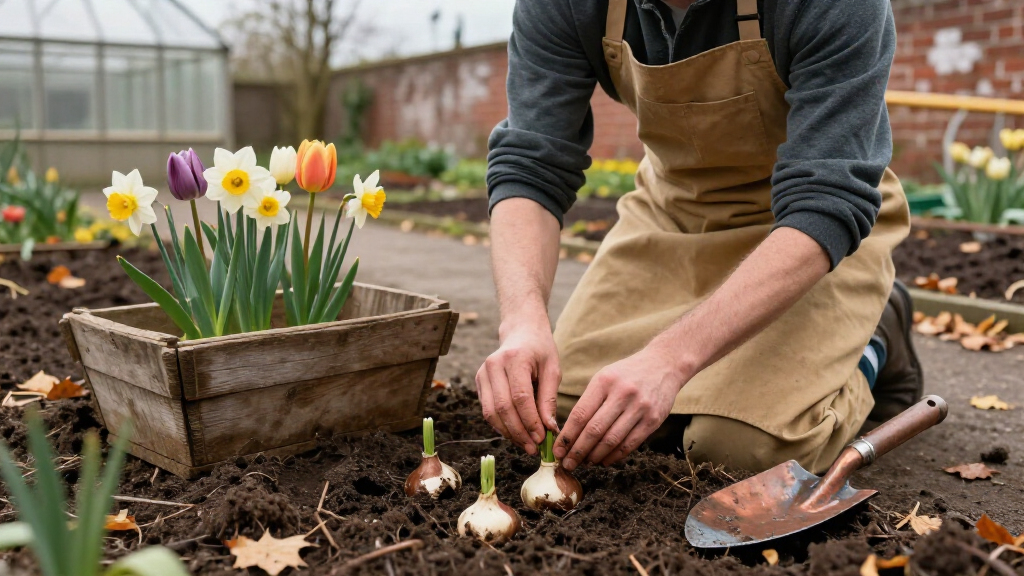
Gardeners who want to act on the guide face a practical window: bulbs generally need to be in the ground several weeks before the soil freezes, so October is the deadline in most cold-winter regions. The report suggests starting with a bulb planter, soaking anemone corms before planting, and grouping parrot tulips generously near paths and seating where their flowers can be seen up close. Readers in zones outside the stated ranges — below zone 3 or above zone 10 — may need to treat some of these as annuals or choose different varieties. The payoff, if the guide’s claims hold, arrives from mid-spring onward, with parrot tulips extending the display into May.
Key Questions
Why plant spring bulbs in October rather than spring?
According to the Gardening Know How report, fall planting gives bulbs time to settle in and grow roots before winter, which supports stronger spring flowering.
Do these bulbs come back every year?
The report says most will return with little intervention if given full sun and well-drained soil, but it cautions that parrot tulips can be less reliable repeat performers, especially in hot, humid summer climates.
Do anemones need special preparation before planting?
Yes. Though sold as bulbs, they grow from woody corms; the report advises soaking them in tepid water for up to 24 hours before fall planting.
Are these bulbs safe around pets and children?
Ornamental alliums and anemones can be toxic to cats and dogs if ingested, and bulbs in general should be stored and planted out of reach. Wear gloves when handling and follow all label instructions.
What is the most common reason these bulbs fail?
According to the report, excessively damp soil — particularly for alliums and dormant anemones — is the leading cause of failure, making drainage more important than watering.
Source: rss