TL;DR
This article highlights five fruit trees—persimmon, cherry, fig, pear, and plum—that are suitable for gardeners seeking low-maintenance options. These trees are resilient, require less care, and are well-suited to various climates, making fruit gardening accessible for beginners.
Five fruit trees—persimmon, cherry, fig, pear, and plum—are recommended for gardeners seeking low-maintenance options, as they are resilient, disease-resistant, and adaptable to various climates, making home fruit growing more accessible.According to horticultural experts, persimmon trees are particularly easy to grow, thriving in dry climates and requiring minimal watering once established. Cherry trees, especially sour varieties, are also low-maintenance, producing attractive blossoms and fruit with limited pruning. Figs are drought-tolerant and flourish in warm climates, often needing only occasional watering and pruning. Pear trees are favored for their ease of growth, requiring minimal pest control and pruning, though they need regular watering. Plum trees are compact, productive, and resilient, with some varieties suitable for different climates; they need consistent watering during establishment and some pruning to prevent disease. Experts emphasize selecting the right variety for local conditions and planting in optimal locations to maximize success.
Why These Trees Are Ideal for Beginners
These low-maintenance fruit trees lower the barrier for home gardeners, enabling more people to enjoy fresh, homegrown fruit without extensive effort. They are suitable for various climates and soil types, and their resilience reduces the risk of failure, encouraging sustainable gardening practices. This can lead to increased local food production and personal satisfaction, especially for those new to gardening or with limited time to dedicate to plant care.
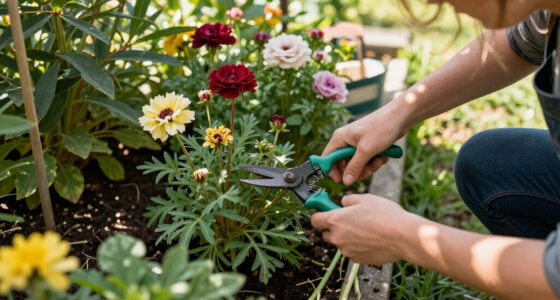
dwarf persimmon tree for small yard
As an affiliate, we earn on qualifying purchases.
As an affiliate, we earn on qualifying purchases.
Background on Low-Maintenance Fruit Gardening
Growing fruit at home can be rewarding but often discourages beginners due to concerns about pests, diseases, and intensive care needs. Recent recommendations focus on resilient varieties that resist common issues and thrive with minimal intervention. The highlighted trees—persimmon, cherry, fig, pear, and plum—are recognized for their adaptability and low-maintenance requirements, making them popular choices for novice gardeners. These selections align with trends toward sustainable, low-effort gardening and are suitable for a broad range of climates, from dry to temperate zones.
“Choosing the right low-maintenance fruit trees can significantly reduce gardening effort while still providing fresh, homegrown fruit.”
— an anonymous researcher
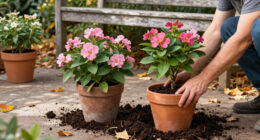
low-maintenance cherry tree variety
As an affiliate, we earn on qualifying purchases.
As an affiliate, we earn on qualifying purchases.
Uncertainties About Long-Term Performance
It remains unclear how these trees will perform in highly variable or extreme climate conditions beyond their typical zones. Specific pest and disease pressures may vary regionally, and the longevity of low-maintenance traits over decades has not been extensively studied.
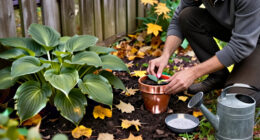
drought-tolerant fig tree for warm climate
As an affiliate, we earn on qualifying purchases.
As an affiliate, we earn on qualifying purchases.
Next Steps for Aspiring Low-Maintenance Fruit Growers
Gardeners interested in these trees should consult local nurseries for suitable varieties and planting advice. Monitoring growth and adjusting care based on regional climate and soil conditions will help ensure success. Future research may focus on developing even more resilient, low-maintenance varieties tailored to changing climate patterns.
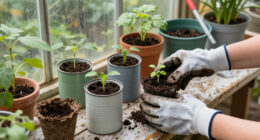
resilient pear tree for beginners
As an affiliate, we earn on qualifying purchases.
As an affiliate, we earn on qualifying purchases.
Key Questions
Are these fruit trees suitable for small yards?
Yes, many of these trees, such as dwarf cherry and plum varieties, are suitable for small yards and can be grown in containers or limited spaces.
Do these trees require special soil or fertilizer?
Most of these trees prefer well-draining soil and benefit from basic fertilization, but they generally do not require intensive feeding or soil amendments.
How long does it take for these trees to produce fruit?
Typically, these trees begin bearing fruit within 3 to 4 years after planting, depending on the variety and growing conditions.
Can I grow these trees in colder climates?
Many of these trees, such as persimmon and pear, are hardy across a range of zones, but it’s important to select varieties suited to your specific climate zone.
What maintenance is still required for these trees?
While low-maintenance, these trees benefit from occasional pruning, watering during dry periods, and monitoring for pests or diseases.
Source: Bob Vila