TL;DR

Get garden gear delivered free with Prime
- Fast, free delivery on millions of items
- Prime Video, Amazon Music and more included
- Member-only deals all year
Heat-stressed plants need careful treatment to recover without overwatering. This article outlines five proven steps, including soil moisture checks, mulching, and providing shade, to help plants survive high temperatures effectively.
Gardeners can now follow five proven steps to help heat-stressed plants recover without overwatering, according to recent expert guidance. Proper treatment is crucial as high temperatures above 85°F can cause plants to wilt and sunburn, increasing their vulnerability to pests and diseases. Learn how to water container plants in June without overwatering.
When plants show signs of heat stress, such as wilting or sunburn, the first step is to check soil moisture before watering. Using a soil moisture meter or performing the finger test can prevent overwatering, which can worsen plant health. Adding mulch around the base of plants helps retain soil moisture and keeps roots cool, reducing heat stress. Providing shade with cloths or relocating container plants to shadier areas protects foliage from sunburn and helps lower temperatures. Fertilizing during heatwaves should be avoided, as it can stress plants further and cause sunburn. Lastly, harvesting ripening fruits and deadheading faded flowers can conserve plant energy, allowing recovery and continued growth.
Why Proper Care During Heatwaves Is Critical
This guidance helps gardeners avoid common mistakes like overwatering, which can harm plants further. Implementing these steps can improve plant survival during extreme heat, preserving garden health and productivity. Understanding how to respond effectively to heat stress reduces plant loss and supports sustainable gardening practices in hot weather conditions. For more detailed guidance, see this article on watering container plants in summer.
As an affiliate, we earn on qualifying purchases.
Heat Stress Risks and Preventive Measures in Summer Gardening
Heat stress occurs when temperatures exceed 85°F, causing plants to wilt, sunburn, and become more susceptible to pests. Many gardeners instinctively water immediately, but overwatering can lead to root rot and other problems. Experts recommend soil moisture checks, mulching, providing shade, and avoiding fertilization during heatwaves. These practices are increasingly important as climate change results in more frequent and intense heat events, making heat stress management a key aspect of summer gardening.
“Checking soil moisture before watering is essential to prevent overwatering heat-stressed plants.”
— an anonymous researcher
garden mulch for moisture retention
As an affiliate, we earn on qualifying purchases.
As an affiliate, we earn on qualifying purchases.
Uncertainties About Long-Term Heat Stress Strategies
It is not yet clear how these methods perform across different plant species or in prolonged heatwaves. More research is needed to determine optimal timing and combination of these measures for various garden settings.
As an affiliate, we earn on qualifying purchases.
Next Steps for Gardeners Facing Rising Temperatures
Gardeners should implement these five steps during heatwaves and monitor plant responses. For additional tips, visit our guide on watering container plants in June. Continued awareness and adaptation will be essential as climate patterns change.
As an affiliate, we earn on qualifying purchases.
Key Questions
How can I tell if my plant is suffering from heat stress?
Signs include wilting, drooping leaves, sunburn spots, and leaf discoloration. Checking soil moisture can help determine if watering is needed.
Is overwatering my heat-stressed plants harmful?
Yes. Overwatering can lead to root rot and other issues, so it’s important to check soil moisture before watering.
When should I water my heat-stressed plants?
The best time is early morning, but only if the soil is dry. Avoid watering in the heat of the day to reduce evaporation and stress.
Can I protect my container plants from heat stress?
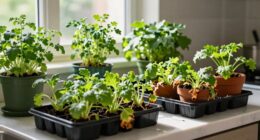
Yes. Move them to shadier areas or cover them with shade cloth during the hottest parts of the day.
Should I fertilize my plants during a heatwave?
No. Fertilizing can stress plants further and cause sunburn. It’s best to hold off until cooler weather.
Source: rss
Fall yard work Picks
leaf blowers
As an affiliate, we earn on qualifying purchases.