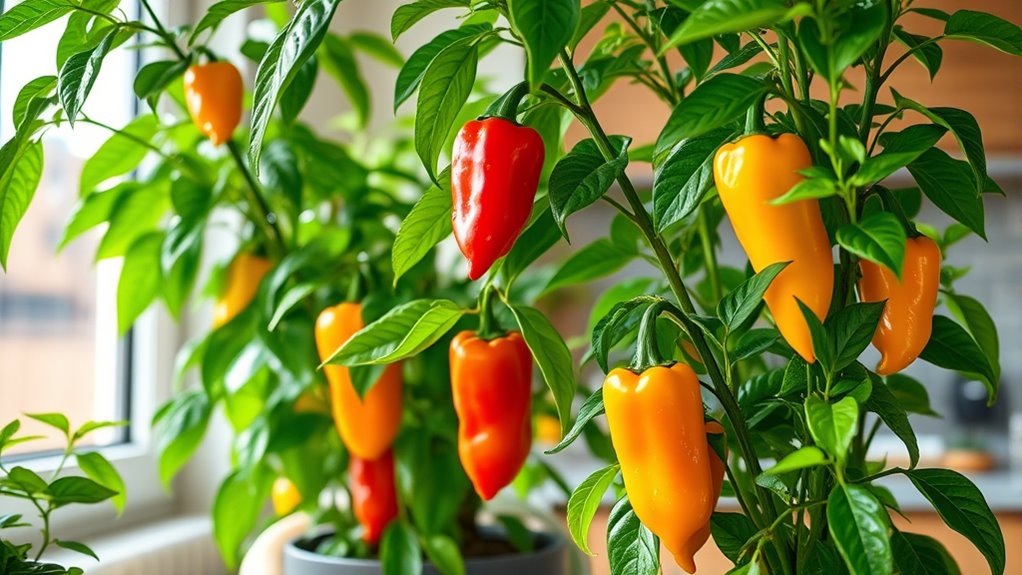

Growing hot peppers indoors is a fun way to add fresh, spicy flavor to your meals year-round. Keep your plants consistently watered, ensuring the soil stays moist but not waterlogged, and watch for signs of pests to keep them healthy. Proper care leads to vibrant peppers that spice up your dishes. To discover more tips on nurturing your indoor pepper garden and harvesting the best peppers, keep exploring!
Key Takeaways
- Maintain consistent watering to keep soil evenly moist and promote healthy pepper growth indoors.
- Monitor plants regularly for pests like aphids and spider mites, using natural remedies to prevent infestations.
- Provide ample light, such as grow lights or south-facing windows, to enhance pepper flavor and yield.
- Harvest peppers at peak ripeness to maximize spice and flavor for culinary use.
- Ensure proper soil drainage and avoid overwatering to prevent root rot and support continuous harvests.
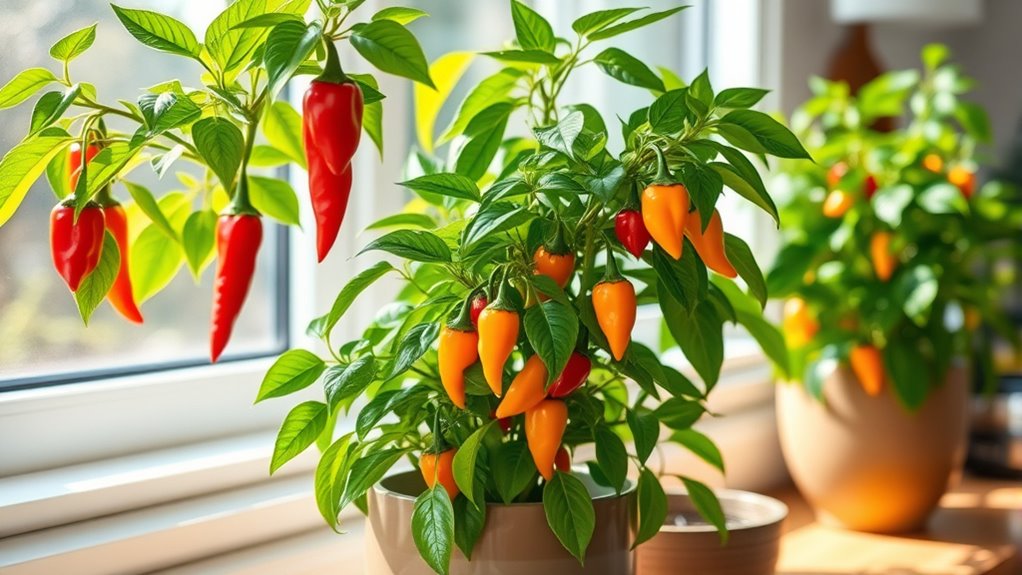
Growing hot peppers indoors is a rewarding way to enjoy fresh, spicy flavors year-round, even if you don’t have outdoor space. When you’re cultivating peppers inside, creating a consistent watering schedule is essential to keep your plants healthy and productive. Peppers prefer evenly moist soil but dislike sitting in water, so water them thoroughly when the top inch of soil feels dry. During warmer months or if your indoor environment is dry, you might need to water more frequently. Conversely, in cooler or more humid conditions, less frequent watering prevents root rot and other issues. Pay attention to your plants’ response; wilting leaves may signal underwatering, while yellowing or moldy soil could mean overwatering. A regular watering routine helps your peppers develop strong stems and vibrant fruit, ensuring you get a good harvest of spicy peppers to use in your culinary creations. Maintaining proper watering techniques is crucial for indoor pepper success.
While caring for your indoor pepper plants, pest control is another critical aspect. Although indoor environments are generally less prone to pests than outdoor gardens, problems can still arise. Common pests like aphids, spider mites, or whiteflies may find their way onto your plants, especially if you bring in new soil or plants from outside. To prevent infestations, keep your growing area clean and regularly inspect your plants for signs of pests. If you spot any unwelcome visitors, act quickly with natural remedies such as neem oil or insecticidal soap, which are safe for indoor use. Maintaining good airflow around your plants also discourages pest buildup, as stagnant air can foster their development. Avoid overwatering, too, because excess moisture can attract pests and promote fungal diseases. If pests become a problem, isolate the affected plant to prevent spreading and treat it promptly. Regular monitoring and prompt action will keep your pepper plants healthy and pest-free, so you can enjoy the fiery harvest without worry.
Growing hot peppers indoors requires attention to detail, but the effort pays off with a continuous supply of fresh, spicy peppers right in your kitchen. By sticking to a consistent watering schedule and staying vigilant about pest control, you set the foundation for thriving plants. As your peppers mature, you’ll appreciate the convenience of harvesting flavorful peppers whenever you need them, whether for salsa, hot sauce, or adding a kick to your favorite dishes. With a little care and patience, your indoor pepper garden will become a flavorful, fiery centerpiece that enhances your cooking all year long.

WZQH Leather Work Gloves for Men or Women.Gardening,Welding,Coffee-grey L
- Material and Design: 100% split cowhide leather with soft cotton lining
- Protection Features: High abrasion, puncture, cut, and heat resistance
- Reinforced Palm: Extra protection for hands during heavy work
As an affiliate, we earn on qualifying purchases.
Frequently Asked Questions
What Are the Best Hot Pepper Varieties for Indoor Growing?
When choosing the best hot pepper varieties for indoor growing, consider ones with manageable size and strong pepper flavor profiles. Varieties like Cayenne, Thai Chili, and Habanero adapt well indoors, though indoor growing challenges include limited space and light. These peppers thrive with proper care, offering vibrant flavors for your dishes. You’ll enjoy a spicy harvest without the outdoor space, making your indoor garden both fun and flavorful.
How Do I Prevent Pests on Indoor Hot Pepper Plants?
To prevent pests on your indoor hot pepper plants, start with pest-resistant varieties to reduce issues. Keep your plants healthy by maintaining proper humidity and airflow. Regularly inspect for pests, and use organic pest control methods like neem oil or insecticidal soap if needed. Avoid overwatering, as damp conditions attract pests. With attentive care and pest-resistant choices, you can enjoy thriving, pest-free hot peppers indoors.
Can Hot Peppers Be Grown Hydroponically Indoors?
You might be surprised, but hot peppers can indeed thrive hydroponically indoors. Using indoor gardening techniques, you control factors like nutrients and moisture, resulting in vibrant plants with unique pepper flavor profiles. Growing peppers this way allows year-round harvests and better pest management. If you’re curious about flavor variety and efficient space use, hydroponic setups are a smart, innovative choice for your indoor garden.
How Often Should I Water Indoor Hot Pepper Plants?
You should water your indoor hot pepper plants based on their watering schedule and soil moisture. Check the soil regularly; it should feel moist but not soggy. Typically, watering once or twice a week suffices, but adjust based on indoor conditions like humidity and temperature. Always make certain proper drainage, and avoid letting the soil dry out completely. Consistent soil moisture promotes healthy growth and vibrant peppers.
What Are Common Signs of Nutrient Deficiency in Indoor Peppers?
Oh, the thrill of indoor gardening—where nutrient deficiency signs are as subtle as a neon sign! You’ll notice leaf discoloration or stunted growth, which screams soil pH imbalance or missing nutrients. These telltale signs indicate your peppers aren’t getting what they need. Regularly check your soil’s pH and supplement with balanced fertilizer. Ignoring these hints might turn your fiery peppers into sad, flavorless shadows of their spicy selves.

COOLJOB 6 Pairs Gardening Gloves for Women Ladies, Breathable Rubber Coated for Yard Garden, Outdoor Indoor Protective Work with Grip, Medium Size, Red & Green
- Designed for Women: Lightweight, breathable, comfortable fit
- Protective and Durable: Thick fingertips and flexible cuffs
- Multi-Purpose Use: Suitable for gardening, yard work, repairs
As an affiliate, we earn on qualifying purchases.
Conclusion
Now that you know how to grow and use hot peppers indoors, you can easily add spice to your meals year-round. Imagine planting a small pepper plant on your windowsill, and months later, harvesting fiery peppers to spice up your favorite dishes. For example, Sarah started with just a few pots and now enjoys fresh peppers, saving money and impressing friends with her homemade hot sauce. So go ahead—bring some heat into your home!
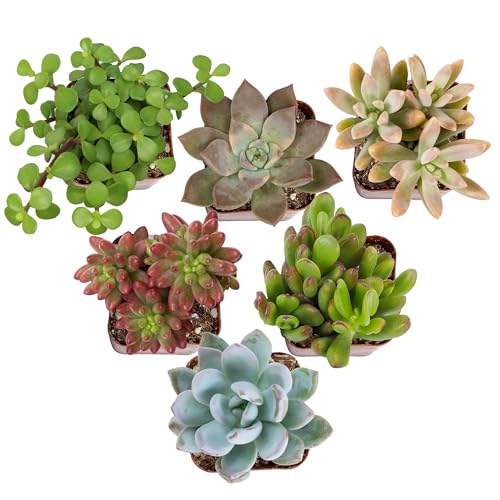
Altman Plants Specialty Live Succulent Plant (6 Pack), No Duplicates, Assorted Succulents Featuring Unique Colors & Shapes, 2 in Pots
- Number of Plants: 6 live succulents in pots
- Plant Size: 2-inch pots with larger succulents
- Variety: 6 unique succulent varieties
As an affiliate, we earn on qualifying purchases.
COOLJOB 2 Pairs Gardening Gloves for Women Ladies, Breathable Rubber Coated for Yard Garden, Outdoor Indoor Protective Work with Grip, Medium Size, Red & Green
- Designed for Women: Lightweight, breathable, comfortable fit
- Protective and Durable: Thick fingertips and flexible cuffs
- Multi-Purpose Use: Suitable for gardening, yard work, DIY
As an affiliate, we earn on qualifying purchases.