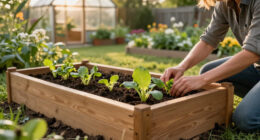
Lettuce and basil need different feeding plans because they have unique nutrient requirements and growth habits. Lettuce thrives on nitrogen-rich soil for tender leaves, while basil prefers more phosphorus and potassium to develop strong stems and aromatic leaves. Additionally, each plant responds differently to compost and pests, so adjusting your feeding approach helps them grow healthy and resist problems. Keep exploring to discover how to tailor your feeding strategies for each plant’s success.

Get garden gear delivered free with Prime
- Fast, free delivery on millions of items
- Prime Video, Amazon Music and more included
- Member-only deals all year
Key Takeaways
- Lettuce requires nitrogen-rich soil for leafy growth, while basil needs more phosphorus and potassium for aromatic, sturdy stems.
- Different growth habits and temperature preferences influence their specific nutrient and feeding needs.
- Over-fertilizing lettuce can attract pests, whereas basil benefits from balanced nutrients to maintain pest resistance.
- Basil’s aromatic oils and warm-season growth make it more sensitive to nutrient imbalances compared to lettuce.
- Tailored composting and feeding practices optimize each plant’s development and health, preventing deficiencies or pest issues.

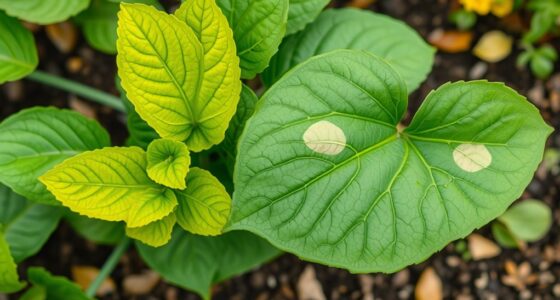
Feeding your lettuce and basil plants properly is essential for healthy growth and abundant harvests. However, they rarely want the exact same feeding plan because their nutritional needs and growing conditions differ. Lettuce, being a leafy green, thrives in cooler temperatures and prefers a nitrogen-rich soil that encourages lush, tender leaves. Basil, on the other hand, is a warm-season herb that appreciates a slightly different mix, with more phosphorus and potassium to promote strong stems and aromatic leaves. Understanding these differences helps you tailor your feeding strategies effectively.
Lettuce thrives in nitrogen-rich soil; basil prefers more phosphorus and potassium for strong growth.
When it comes to composting techniques, you need to take into account what each plant requires. Lettuce benefits from nitrogen-rich compost, which supports leaf development and rapid growth. You might add kitchen scraps like vegetable peels and coffee grounds to boost nitrogen levels. Basil, meanwhile, responds well to compost with a balanced or slightly phosphorus-heavy profile, which you can achieve by incorporating crushed eggshells or bone meal into your compost pile. These adjustments guarantee that your compost supplies the right nutrients at the right time, preventing deficiencies that can stunt growth. Additionally, soil nutrient balance plays a crucial role in ensuring both plants receive what they need without imbalance. Incorporating soil testing can help you better understand the current nutrient levels and adjust your composting approach accordingly. Furthermore, understanding the different nutrient requirements of each herb can help you fine-tune your fertilization practices for optimal results.
Pest control is another aspect that influences how you feed these plants. Over-fertilizing can attract pests like aphids and slugs, which tend to target lush, nitrogen-rich foliage. For lettuce, which is more vulnerable to pests, you might want to avoid excessive nitrogen that creates tender leaves, perfect for pests to munch on. Instead, focus on integrated pest management methods, such as introducing beneficial insects or using organic sprays, to keep pests at bay without relying solely on chemical interventions. Basil, known for its aromatic oils, naturally repels some pests, but it can still be affected by spider mites or whiteflies. Regular monitoring and adjusting your feeding schedule to avoid overly lush, pest-prone foliage help maintain plant health. Additionally, understanding the importance of plant-specific needs can help you optimize your feeding routines for each herb.
Ultimately, the reason lettuce and basil rarely want the same feeding plan boils down to their distinct growth habits, nutritional needs, and susceptibility to pests. By understanding their specific requirements and applying targeted composting techniques, you can optimize their growth and health. Proper pest control measures further ensure that neither plant becomes a pest magnet or suffers from nutrient deficiencies. Tailoring your feeding approach not only promotes vigorous plants but also reduces the risk of problems down the line, leading to a more successful and enjoyable gardening experience.
Products Worth Considering

EGO POWER+ 21-Inch Self-Propelled Cordless Lawn Mower Kit (LM2135SP)

EGO POWER+ LB6151 Cordless Leaf Blower Kit with 2.5Ah Battery and Charger

EGO POWER+ LB5302 Cordless Electric Leaf Blower Kit with 2.5Ah Battery
As an affiliate, we earn on qualifying purchases.
Frequently Asked Questions
How Do Soil Types Affect Lettuce and Basil Nutrition Needs?
Soil types directly influence lettuce and basil’s nutrition needs by affecting soil acidity and nutrient absorption. If the soil is too acidic or alkaline, it hampers nutrient uptake, meaning you need to adjust feeding plans accordingly. Lettuce prefers slightly moist, neutral soil for ideal growth, while basil thrives in well-drained, slightly acidic soil. Understanding your soil’s type helps you provide the right balance of nutrients for healthy plants.
Can Pests Influence the Optimal Feeding Plan for Each Plant?
Yes, pests can influence your feeding plan for lettuce and basil. When pests attack, you might need to boost plant health with specific nutrients to enhance pest resistance. Additionally, consider herb compatibility; some fertilizers attract pests or disturb the balance, making plants more vulnerable. Adjusting your feeding plan helps improve pest resistance and keeps basil and lettuce healthy, ensuring they grow strong despite pest pressures.
Do Lighting Conditions Impact Fertilizer Requirements for Lettuce and Basil?
Lighting conditions directly influence fertilizer needs for both lettuce and basil. When light intensity is high, photosynthesis efficiency increases, prompting you to provide more nutrients to support rapid growth. Conversely, lower light levels slow photosynthesis, so you can reduce fertilizer amounts. You must adjust feeding plans based on light conditions, ensuring each plant gets ideal nutrients to thrive under varying light intensities and maintain healthy growth.
How Does Planting Season Alter Feeding Schedules for These Herbs?
Planting season considerably impacts your feeding schedule for lettuce and basil. During early or cooler seasons, you’ll want to reduce fertilizer frequency to prevent overfeeding, while warmer seasons require more regular feeding due to faster growth. Seasonal adjustments are essential; for example, in summer, increase nutrients to support vigorous growth, but in fall, ease back to avoid over-fertilization. Always tailor your feeding plan to the planting timing for ideal herb health.
Are Organic Fertilizers Suitable for Both Lettuce and Basil?
Yes, organic fertilizers are suitable for both lettuce and basil. They provide essential complementary nutrients that support healthy growth. However, you should consider fertilizer timing carefully; lettuce benefits from frequent, light feedings, while basil prefers less frequent, richer applications. Using organic fertilizers aligns well with their needs, but adjusting the timing ensures each herb gets the right nutrients at the right stages for maximum growth.
Conclusion
To truly nurture your garden’s harmony, remember that lettuce and basil have their own subtle preferences. Respecting their individual needs allows each to flourish in its own unique way, creating a symphony of growth. When you adapt your approach with gentle attentiveness, you’ll find your garden thriving more beautifully than you might have imagined. In tending to their delicate desires, you cultivate not just plants, but a quiet elegance that enriches your entire space.