
Reverse osmosis water may seem clean, but it can disrupt your feeding plan because it removes essential minerals like calcium, magnesium, and potassium. This mineral depletion can lead to deficiencies that impact animal health, including weakened bones and immune function. Additionally, RO water tends to be slightly acidic, which may affect digestion and nutrient absorption. To maintain ideal health, you’ll need to adjust your feeding plan accordingly—continue exploring for tips on balancing water quality and nutrition.

Get garden gear delivered free with Prime
- Fast, free delivery on millions of items
- Prime Video, Amazon Music and more included
- Member-only deals all year
Key Takeaways
- RO water removes essential minerals, requiring supplementation to prevent deficiencies in animals.
- The slightly acidic pH of RO water can disrupt digestion and nutrient absorption.
- Regular testing of mineral content and pH is vital to maintain optimal water quality.
- Lack of minerals from RO water may weaken bones and immune response over time.
- Adjusting water chemistry and supplementing minerals help maintain a balanced feeding plan.
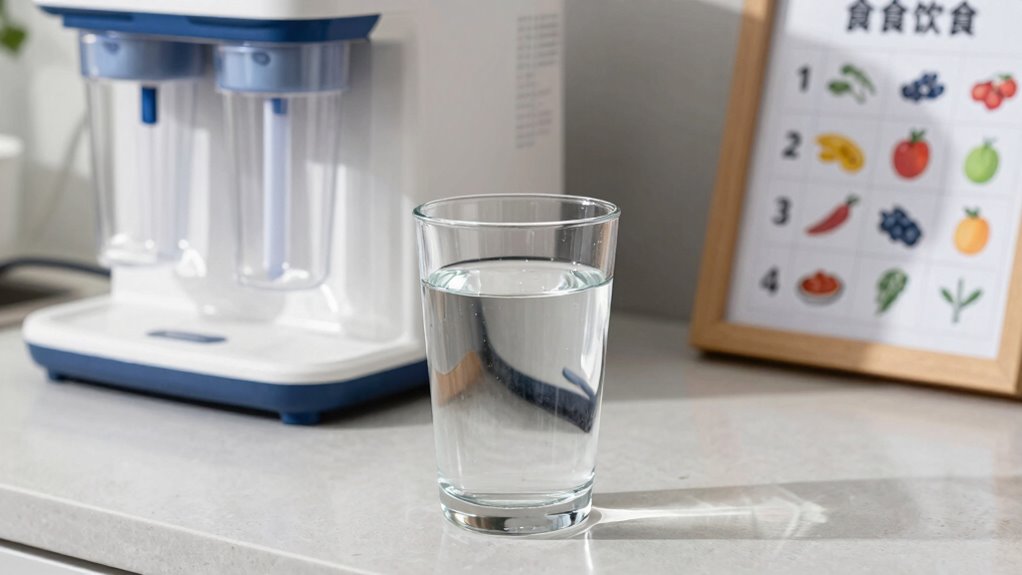
When it comes to optimizing your feeding plan, understanding the role of water quality is essential—especially if you use reverse osmosis (RO) systems. While RO water appears clean and pure, it can unintentionally impact your animals’ health by altering the mineral content and pH balance of their drinking water. Many assume that because it’s free of contaminants, RO water is ideal. However, the filtration process strips away not only impurities but also essential minerals that animals need for proper growth and metabolic functions.
A key concern with relying solely on RO water is minerals deficiency. Since the system removes dissolved minerals like calcium, magnesium, and potassium, your animals may not receive enough of these vital nutrients through water alone. Over time, this deficiency can lead to issues like weakened bones, reduced immune response, and impaired muscle function. To prevent this, you might need to supplement their diet with mineral blends or ensure their feed contains adequate nutrients. Ignoring this aspect risks creating deficiencies that compromise overall health.
Additionally, using pure RO water can cause a pH imbalance. Typically, RO water tends to be slightly acidic because of the removal of buffering minerals. An imbalanced pH can affect digestion and nutrient absorption, as well as influence the overall metabolic stability of your animals. If the water’s pH drops too low, it could lead to issues like reduced appetite or digestive disturbances, making it harder for your animals to thrive. Regular testing of water pH levels becomes crucial, so you can adjust as needed—either through mineral supplementation or by adding small amounts of alkaline substances to maintain a neutral or slightly alkaline pH. It’s also important to understand that water mineral content plays a significant role in maintaining overall health. Furthermore, fluctuations in mineral levels can affect the metabolic processes of your animals, making consistent monitoring even more critical. Proper water management practices, including regular testing and adjustments, can help mitigate these challenges and support your animals’ well-being more effectively. Additionally, understanding the impact of mineral depletion can guide you in creating a comprehensive approach to water quality management.
Products Worth Considering

Orbit B-hyve XD 4-Port Smart Hose Watering Timer with Wi-Fi Hub

VEVOR Walk-In Tunnel Greenhouse with Watering System, 15 x 7 x 7 ft

EGO Power+ SNT2122 21-Inch Single-Stage Snow Blower with Two 4.0Ah Batteries and 320W Charger
As an affiliate, we earn on qualifying purchases.
Frequently Asked Questions
Does Reverse Osmosis Remove Beneficial Minerals From Water?
Yes, reverse osmosis removes beneficial minerals from water, which can lead to mineral depletion in your diet. This process strips away minerals like calcium and magnesium, altering the water’s taste and potentially affecting your overall mineral intake. To counteract taste alteration and guarantee you get enough essential minerals, consider supplementing your diet with mineral-rich foods or adding mineral drops to your filtered water.
How Often Should I Test My Reverse Osmosis System?
You should test your reverse osmosis system every 6 to 12 months to guarantee ideal water quality. Regular system maintenance helps identify any issues like membrane fouling or leaks early on. Monitoring water quality through testing allows you to confirm the system’s effectiveness in removing contaminants and maintaining beneficial minerals. Consistent testing and maintenance keep your RO system working efficiently, providing clean, safe water for your needs.
Can RO Water Be Used for All Types of Plants?
Did you know that over 80% of plants can struggle with RO water? Yes, it can be used for many plants, but it often lacks essential plant nutrients and has a water pH that might be too low or high. You should adjust the nutrient levels and monitor the water pH to guarantee your plants thrive. For sensitive plants, consider supplementing with nutrients or balancing the pH for ideal growth.
Is Reverse Osmosis Water Suitable for Cooking and Brewing?
Yes, reverse osmosis water is suitable for cooking and brewing. It provides a clean base that can enhance flavors, making your dishes and brews taste purer. You might need to do some pH adjustment if the water is too neutral or acidic for certain recipes. However, because it’s mineral-free, adding a pinch of minerals or salts can help improve flavor and consistency in your cooking and brewing processes.
What Are the Long-Term Health Effects of Drinking RO Water?
Drinking reverse osmosis (RO) water over the long term can impact your health. You might face nutrient absorption issues since RO removes essential minerals like calcium and magnesium. This could lead to mineral deficiencies if your diet isn’t balanced. While RO water is safe and clean, consider supplementing your diet with mineral-rich foods or adding mineral drops to prevent potential health implications related to mineral depletion.
Conclusion
Remember, while reverse osmosis water appears pure, it can remove essential minerals, potentially impacting your feeding plan. Did you know that nearly 85% of households use some form of water filtration? Staying informed helps you make better choices for your health and your pet’s well-being. Consider supplementing mineral content if you rely on RO water regularly. Ultimately, understanding its effects guarantees you keep your feeding plan balanced and effective.