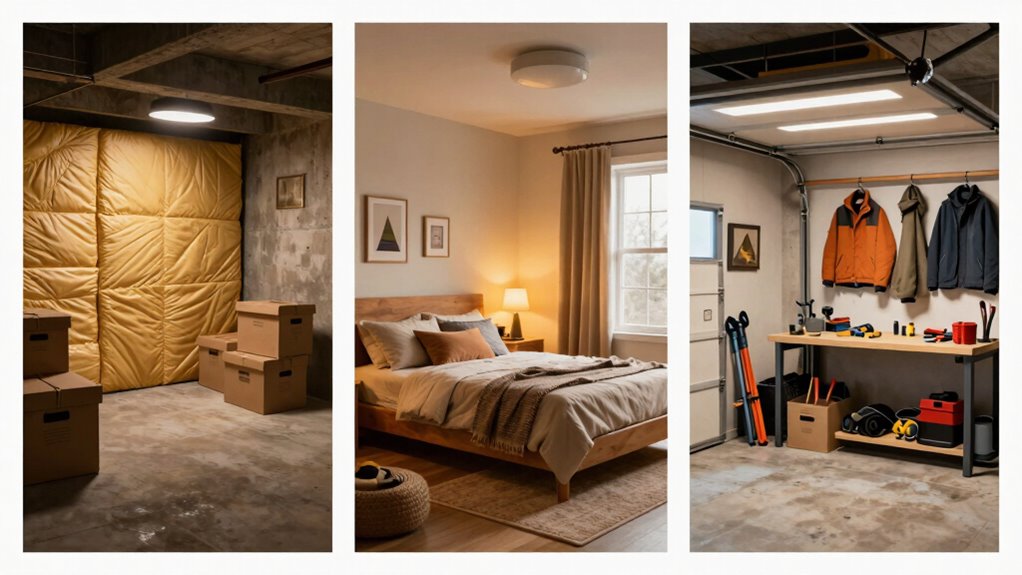

Basements, spare rooms, and garages each challenge your climate gear in unique ways. Basements often have high humidity and moisture, risking mold and corrosion unless carefully managed. Spare rooms usually experience temperature swings and poor airflow, leading to uneven conditions that can deteriorate equipment. Garages face outdoor weather extremes, like overheating in summer or freezing in winter, which can damage plastics and electronics. Understanding these differences helps you protect your gear effectively; discover how to optimize each space for lasting safety.

Get garden gear delivered free with Prime
- Fast, free delivery on millions of items
- Prime Video, Amazon Music and more included
- Member-only deals all year
Key Takeaways
- Basements’ high humidity and moisture levels increase mold and corrosion risks for climate-sensitive gear.
- Spare rooms experience temperature swings and uneven conditions, stressing stored equipment.
- Garages face outdoor temperature extremes, causing overheating or freezing damage to gear.
- Lack of insulation and climate control in garages accelerates environmental stress on stored items.
- Each space’s unique environmental challenges require tailored protective measures for climate gear.
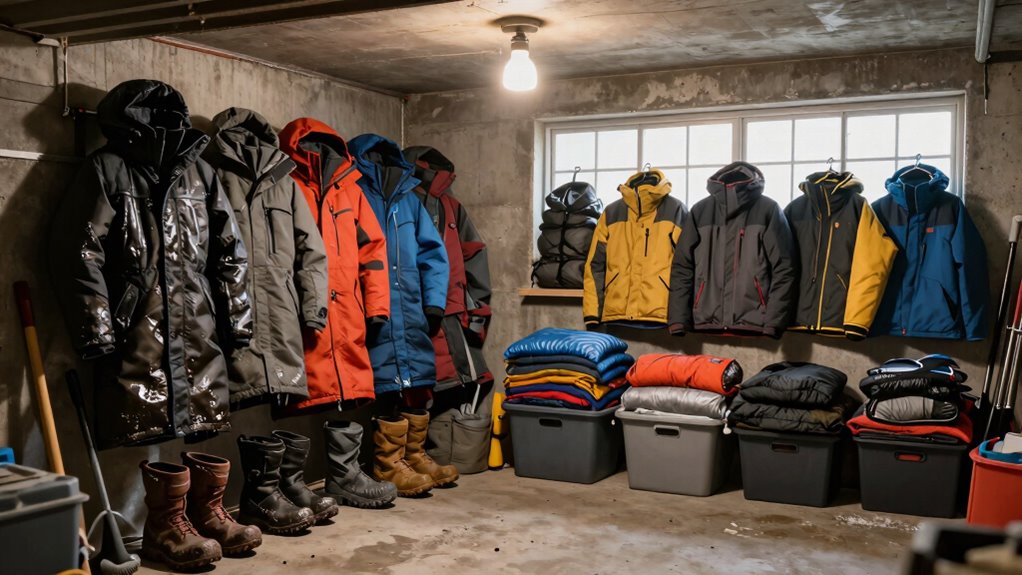
Your climate gear faces different challenges depending on where you store it, and basements, spare rooms, and garages each affect your equipment in unique ways. If you keep your gear in the basement, humidity control becomes a significant concern. Basements tend to be damp and prone to moisture, especially in humid climates or during rainy seasons. This excess moisture can lead to mold, mildew, and corrosion, which damage sensitive equipment. You need to monitor humidity levels carefully, using dehumidifiers if necessary, to prevent these issues. Additionally, temperature fluctuations in basements can be unpredictable. Sudden cold snaps or warm spells cause your gear to experience stress from shifting temperatures, which can degrade materials over time. Keeping the basement climate stable with proper insulation and climate control devices helps protect your gear from these fluctuations. Proper humidity management is essential to prevent long-term damage in these environments. Implementing climate control solutions can further enhance storage conditions and safeguard your equipment. Recognizing and addressing environmental stressors in basements is key to maintaining gear integrity.
In contrast, spare rooms often present a different set of challenges. These rooms are typically less damp but may still experience temperature swings due to inconsistent heating or cooling. If your spare room isn’t climate-controlled, your equipment might be exposed to hot summers and cold winters, which accelerate wear and tear. Without proper airflow or insulation, temperature fluctuations can cause delicate components to expand and contract, leading to potential damage or malfunction. You should consider installing a thermostat or climate control system to maintain a steady environment. Also, clutter in spare rooms can restrict airflow, increasing the risk of uneven temperatures and humidity pockets, which can harm your gear over time.
Garages are perhaps the most unpredictable storage space for climate gear. They often lack insulation and climate control altogether, exposing your equipment to the full range of outdoor weather. During summer, high temperatures can cause overheating and degrade plastic and electronic components. In winter, freezing temperatures can make materials brittle, increasing the likelihood of cracks or breakage. Humidity control is also a challenge in garages, especially if they’re poorly ventilated. Excess moisture can lead to rust and corrosion, especially on metal parts. If you store valuable or sensitive gear in the garage, you’ll need to invest in climate control solutions, like dehumidifiers and portable heaters or coolers, to mitigate these risks. Recognizing the climate risks associated with each storage space allows you to take targeted measures to preserve your gear’s longevity. Ultimately, where you store your climate gear determines how well it’s protected from environmental stressors. Understanding the effects of humidity control and temperature fluctuations in each space helps you take proactive steps. Proper storage conditions extend the life of your equipment and ensure it performs when you need it most.
dehumidifier for basement storage
As an affiliate, we earn on qualifying purchases.
As an affiliate, we earn on qualifying purchases.
Frequently Asked Questions
How Do Climate Conditions Vary Between Basements, Spare Rooms, and Garages?
You’ll notice climate conditions vary a lot between these spaces. Basement moisture tends to be higher due to humidity and poor ventilation, which can impact climate gear stored there. Garages often experience fluctuating temperatures, making them less ideal for sensitive gear. Spare rooms usually maintain more stable conditions but can still be affected by outdoor weather. You should store climate gear carefully in each area to prevent damage from moisture or temperature swings.
What Are the Best Climate Control Methods for Each Space?
They say “a stitch in time saves nine,” and that’s true for climate control. For each space, you should tailor solutions: in basements, use dehumidifiers and climate zone-specific HVAC; in spare rooms, portable heaters or AC units work well; and in garages, consider insulated storage containers and ventilation. Proper climate control keeps your gear safe and preserves its quality, no matter where you store it.
How Does Humidity Affect Climate Gear Storage in These Areas?
Humidity fluctuations can damage your climate gear by causing mold, mildew, or rust, especially if levels are too high or too low. Maintaining consistent humidity helps prevent pest problems and preserves gear integrity. In storage areas with fluctuating humidity, use dehumidifiers or silica gel packs to stabilize moisture levels. Proper humidity regulation ensures your gear stays dry, safe, and ready for use, reducing the risk of pest infestation and material deterioration.
Are There Specific Materials Recommended for Climate Gear Storage?
You should use climate resistant containers to protect your gear from moisture and temperature fluctuations. Opt for materials like hard plastic or metal that resist mold and pests. Incorporate dehumidification techniques, such as silica gel packs or dehumidifiers, to keep humidity levels low. This combination helps preserve your gear’s integrity, preventing damage caused by dampness or mold, ensuring your climate gear stays in top condition when you need it.
How Often Should Climate Gear Be Inspected in Different Rooms?
You should inspect your climate gear at least twice a year to guarantee ideal climate gear maintenance. Regular checks help catch issues early, preventing damage. Even if you think everything’s fine, don’t skip inspections—small problems can escalate. Follow storage safety tips by keeping gear dry and well-ventilated. This routine keeps your gear in top shape and protects your investment, making sure your gear’s ready when you need it most.
climate control thermostat for spare room
As an affiliate, we earn on qualifying purchases.
As an affiliate, we earn on qualifying purchases.
Conclusion
So, next time you’re fussing over climate gear, remember that your basement, spare room, or garage might be secretly sabotaging your efforts. While you obsess over perfect temperatures, these spaces are busy breaking gear in their own quirky ways—sometimes just to keep life interesting. Ironically, your best-laid climate plans could be undone by the very rooms meant to store your gear. Guess it’s a reminder that even climate control has a sense of humor.
As an affiliate, we earn on qualifying purchases.
As an affiliate, we earn on qualifying purchases.
Fall Picks
fall essentials
As an affiliate, we earn on qualifying purchases.