
Tatsoi could be your new favorite indoor green because it’s versatile, easy to grow, and packed with flavor. Its tender leaves add a mild, slightly mustardy taste to salads, stir-fries, and soups, allowing you to experiment in the kitchen. It’s low-maintenance, pest-resistant, and perfect for small spaces, giving you fresh greens all year round. Keep exploring how this adaptable plant can transform your indoor gardening and culinary experience.

Get garden gear delivered free with Prime
- Fast, free delivery on millions of items
- Prime Video, Amazon Music and more included
- Member-only deals all year
Key Takeaways
- Tatsoi’s mild, versatile flavor enhances salads, stir-fries, and soups, encouraging culinary experimentation indoors.
- Its pest resistance and low maintenance make it ideal for easy, sustainable indoor gardening.
- Compact and quick-growing, Tatsoi provides multiple harvests year-round in limited spaces.
- Growing Tatsoi indoors reduces reliance on store-bought greens, supporting eco-friendly lifestyles.
- Its aesthetic appeal and ease of cultivation make Tatsoi a rewarding addition to any indoor greenery collection.
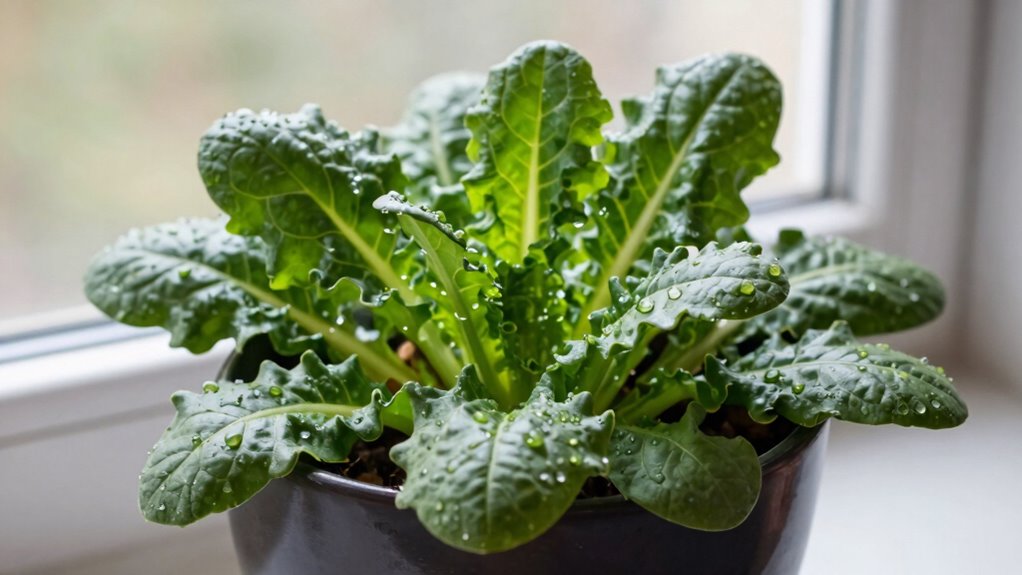
Have you ever considered growing tatsoi indoors? If you’re looking for a versatile, easy-to-maintain green that can spice up your meals, tatsoi might just be your new favorite. This leafy Asian vegetable isn’t just attractive; it offers incredible flavor versatility that makes it suitable for a variety of dishes. Whether you toss it into salads, stir-fries, or even soups, tatsoi’s tender leaves provide a mild, slightly mustardy taste that complements many ingredients. Its flavor profile allows you to experiment freely in the kitchen, from bright, fresh salads to warm, savory sautés. Growing it indoors means you can harvest these flavorful leaves at their peak, ensuring maximum freshness and taste.
Another compelling reason to grow tatsoi indoors is its pest resistance. Unlike many outdoor greens, tatsoi doesn’t attract as many pests, making it a low-maintenance crop that’s less reliant on pesticides or chemical treatments. This natural resilience means fewer worries about pesky insects damaging your plants or contaminating your harvest. When you grow tatsoi inside, you create a controlled environment where pests are less likely to invade, giving you peace of mind and reducing the time and effort spent on pest management. Plus, since you’re growing it indoors, you can better monitor its growth, ensuring it stays healthy and vibrant without the need for chemical interventions. Additionally, its pest resistance makes it an excellent choice for sustainable gardening practices. Growing your own greens indoors also contributes to a more sustainable lifestyle, reducing reliance on store-bought produce that may have traveled long distances.
Tatsoi is also a smart choice if you’re limited on space or want to add greenery to your home. Its compact size makes it perfect for small grow setups like windowsills, countertops, or dedicated indoor gardens. You don’t need a large yard or garden to cultivate it successfully. The plant’s quick growth cycle means you can enjoy multiple harvests throughout the year, provided you give it the right light and water. Growing tatsoi indoors also allows you to extend its growing season beyond the outdoors’ limitations, ensuring a continuous supply of fresh greens no matter the weather outside. Moreover, indoor gardening offers the benefit of year-round cultivation, which can help you enjoy fresh greens regardless of seasonal changes. Plus, cultivating your own greens indoors fosters a deeper connection to your food source, promoting a more mindful and sustainable lifestyle****.
Most importantly, cultivating tatsoi indoors connects you to a sustainable lifestyle. You’ll reduce your carbon footprint by growing your own greens instead of buying packaged produce. Plus, you get the satisfaction of nurturing a plant from seed to harvest, knowing exactly how it’s grown. Its flavor versatility, pest resistance, and adaptability make it an ideal choice for anyone eager to bring fresh, flavorful greens into their home. Once you experience the ease and benefits of growing tatsoi indoors, it’s easy to see why it might become your go-to green for years to come.
As an affiliate, we earn on qualifying purchases.
Frequently Asked Questions
How Does Tatsoi Compare Nutritionally to Other Leafy Greens?
Tatsoi packs impressive nutritional benefits, comparable to other leafy greens like spinach and kale. It’s rich in vitamins A, C, and K, along with antioxidants and minerals such as calcium and iron. In a leafy green comparison, tatsoi offers a slightly milder flavor but holds similar health advantages. You’ll enjoy its versatility in salads, stir-fries, and wraps, making it a nutritious, delicious addition to your indoor garden.
Can Tatsoi Be Grown Outdoors in Colder Climates?
In chilly air, you can grow tatsoi outdoors, but it needs cold climate adaptation. Picture frost-tipped leaves thriving under a frosty sky, hardy and resilient. To succeed, use outdoor growing tips like mulching to insulate roots, planting in sheltered spots, and choosing the cold-tolerant early or late-season varieties. With these strategies, you’ll enjoy fresh tatsoi even when winter’s whisper reaches your garden.
What Are the Best Lighting Conditions for Tatsoi Indoors?
For ideal indoor growth of tatsoi, you should provide bright, indirect light, ideally around 12-16 hours daily. Use grow lights or position it near a sunny window to achieve lighting enhancement. Keep the temperature consistent and avoid direct sunlight that can scorch the leaves. Follow these indoor growth tips, and your tatsoi will thrive. Regularly monitor light levels to guarantee healthy, lush leaves.
How Often Should Tatsoi Be Harvested for Optimal Flavor?
Harvest tatsoi when the leaves are tender and about 4 to 6 inches tall, much like snipping fresh herbs from your garden. This timing maximizes flavor enhancement and keeps the greens tender and sweet. For the best taste, don’t wait too long, or the leaves may become bitter. Regular harvesting encourages fresh growth, so aim to pick every few days for continuous, flavorful greens.
Are There Any Common Pests or Diseases That Affect Tatsoi Indoors?
You should watch out for pests like aphids, flea beetles, and whiteflies, which can infest tatsoi indoors. To prevent these, practice pest prevention by keeping your growing area clean and inspecting plants regularly. Disease management involves ensuring proper airflow, avoiding overwatering, and removing affected leaves promptly. Staying vigilant helps keep your tatsoi healthy, flavorful, and thriving indoors.
As an affiliate, we earn on qualifying purchases.
Conclusion
Don’t let the small size fool you—tatsoi packs a punch in flavor and nutrients, making it a perfect indoor green. Even if you think you don’t have space or a green thumb, its easy care and fast growth will surprise you. So, go ahead, give tatsoi a shot. Once you taste its fresh, slightly peppery leaves, you’ll wonder why you didn’t start sooner. It’s truly a green you’ll want to keep growing year-round.
As an affiliate, we earn on qualifying purchases.
As an affiliate, we earn on qualifying purchases.
Halloween Picks
halloween
As an affiliate, we earn on qualifying purchases.