TL;DR
A gardening guide outlines six steps to prepare Japanese maples for winter: water before the ground freezes, mulch the root zone, shelter young trees, remove only damaged or diseased branches, stop fertilizing and insulate container-grown trees. The advice is general guidance; local conditions and a tree’s age and growing situation affect how much protection it needs.
A seasonal care guide recommends six steps to prepare Japanese maples for winter, from watering before the ground freezes to insulating pots, as cold, drying winds and changing soil moisture can damage trees even when they are hardy in their region. The guide singles out young trees and container-grown maples as especially vulnerable, while noting that care should reflect local weather and soil conditions.

Get garden gear delivered free with Prime
- Fast, free delivery on millions of items
- Prime Video, Amazon Music and more included
- Member-only deals all year
The recommended tasks begin with a final check of soil moisture. The guide advises a deep watering before the ground freezes, particularly after a hot or dry summer. Once the tree is dormant and has lost its leaves, it generally needs little water; the guide says to water during winter only if precipitation has been absent for several weeks and the soil is very dry. A maple that still has leaves may need watering when its soil dries.
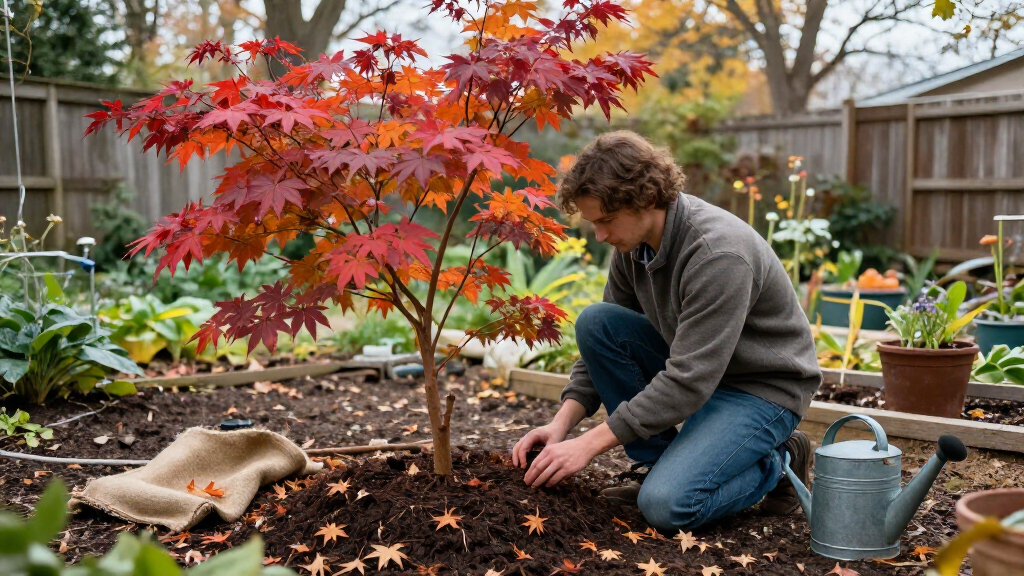
Next, apply up to 4 inches (10 centimeters) of organic mulch over the root zone to help protect roots, retain soil warmth and reduce frost heaving, as part of winter protection for vulnerable plants. Keep mulch away from the trunk: piling it directly against the bark can contribute to rot. For trees planted within the past three years, or trees facing especially cold and windy conditions, the guide suggests loosely wrapping vulnerable trunks or branches in burlap to buffer drying winds.
Other recommendations are to remove broken or diseased branches when noticed, but avoid routine pruning during dormancy; stop fertilizing in late fall so tender new growth is not encouraged ahead of freezing weather; and protect potted trees by insulating their containers, grouping them near the house and raising them off cold ground, as outlined in this guide to Japanese maple care. In severe winter conditions, pots may be moved to a sheltered porch or an unheated garage. The guide does not provide a single temperature threshold for moving a container tree.
Protect your maple before winter
Six practical tasks can reduce winter stress. Young and potted trees may need extra protection, depending on local conditions.
Prepare the tree
Finish these tasks before frozen ground and winter dormancy.
Water deeply before the ground freezes, especially after a hot or dry summer.
Spread organic mulch up to 4 inches deep, keeping it away from the trunk.
Loosely wrap young trees or those in cold, windy sites with burlap.
Avoid added stress
Keep fall care simple and targeted.
Remove damaged branches
Remove broken or diseased branches, but avoid routine pruning during dormancy.
Stop in late fall
Late fertilizing can encourage tender new growth before freezing weather.
Insulate the pot
Group pots near the house and raise them off cold ground. In severe conditions, use a sheltered porch or unheated garage.
Adjust care through winter
Use the tree and local weather as your guide.
- Water only after several weeks without precipitation and when soil is very dry.
- Check soil moisture rather than following a fixed schedule.
- Late leaf drop can be normal, especially after a mild autumn.
- Check soil, water when dry, and clear fallen leaves.
Protecting Roots and Tender Growth
Winter damage can affect a Japanese maple even if the tree is considered hardy for its growing zone. Exposed container roots have less insulation than roots in garden soil, while young trees may be less established. Drying winds, frozen ground and abrupt changes in soil moisture are the specific risks addressed by the guide.
The advice also helps gardeners avoid interventions that may add stress. Fall fertilizing can encourage growth that is vulnerable to frost, and unnecessary dormant-season pruning can leave cuts exposed to cold and disease. These are practical steps rather than a guarantee of survival: outcomes depend on the tree, its site and the winter weather.
Products Worth Considering

EAGLE PEAK 12 x 8 ft Walk-In Pop-Up Greenhouse with Support Pole

IDEALHOUSE 8 × 10 ft Outdoor Polycarbonate Greenhouse

IDEALHOUSE 6 x 9 ft Polycarbonate Greenhouse with Lockable Door, Adjustable Roof Vent, and Gutters
As an affiliate, we earn on qualifying purchases.
Why Fall Care Depends on the Tree
Japanese maple, or Acer palmatum, is grown as an ornamental tree for its branching shape and seasonal foliage. The source guide says Japanese maples are generally hardy to USDA zones 4 or 5, but gives no cultivar-specific hardiness details. A zone rating does not remove the need to account for wind exposure, soil moisture or how a tree is planted.
The recommendations are aimed at the period before winter dormancy and frozen ground, rather than a fixed calendar date. The guide also notes that Japanese maples can retain leaves later than some other deciduous maples, particularly after a mild autumn. Late leaf drop alone is described as normal; while leaves remain, gardeners should check soil moisture and remove fallen leaves rather than leave wet, decaying piles around the tree.
Local Conditions Change the Advice
The source does not identify a particular location, forecast, cultivar or individual tree, so it cannot establish which tasks every maple needs or when a specific tree should be sheltered. Its recommendations are general guidance, not a guarantee against winter injury. It also does not give precise watering amounts, a threshold temperature for protecting or relocating trees, or tailored instructions for different soil types and container sizes.
Late leaf retention is described as normal, but the guide does not offer a diagnostic checklist for distinguishing delayed leaf drop from other tree problems. Gardeners should judge watering by soil dryness and local precipitation rather than follow a fixed schedule.
Finish Preparations Before Hard Freeze
Before the ground freezes, gardeners can check soil moisture, water if needed, spread mulch without touching the trunk, and inspect for broken or diseased branches. Young trees exposed to drying winds and potted maples may need additional protection. Stop fall fertilizing and leave healthy branches unpruned during dormancy.
During winter, check whether prolonged dry weather has left the soil around dormant trees very dry. For trees that retain leaves, continue monitoring soil moisture and remove fallen leaves. Reassess container protection as severe weather approaches; the source recommends sheltered storage in the harshest conditions but does not set a universal date or temperature for doing so.
Key Questions
Should I water a Japanese maple before winter?
The guide recommends a final watering before the ground freezes, especially after a hot or dry summer. During winter, water a dormant, leafless tree only after several weeks without precipitation and when the soil is very dry.
How much mulch should I use?
Apply up to 4 inches (10 centimeters) of organic mulch over the root zone. Keep it clear of the trunk rather than piling it against the bark.
Should I prune my Japanese maple in fall?
Remove broken or diseased branches when you notice them, according to the guide. Avoid routine pruning during dormancy because cuts may be more exposed to frost damage and disease.
What should I do if my Japanese maple still has leaves in November?
The guide says late leaf drop can be normal, particularly after a mild autumn, and may continue into December. While leaves remain, check the soil and water when it is dry; clear fallen leaves from around the tree.
How can I protect a potted Japanese maple?
Insulate the pot with burlap or bubble wrap, group containers near the house, and raise them off the ground to support drainage. In severe winter conditions, move the tree to a sheltered porch or an unheated garage.
Source: gardeningknowhow.com