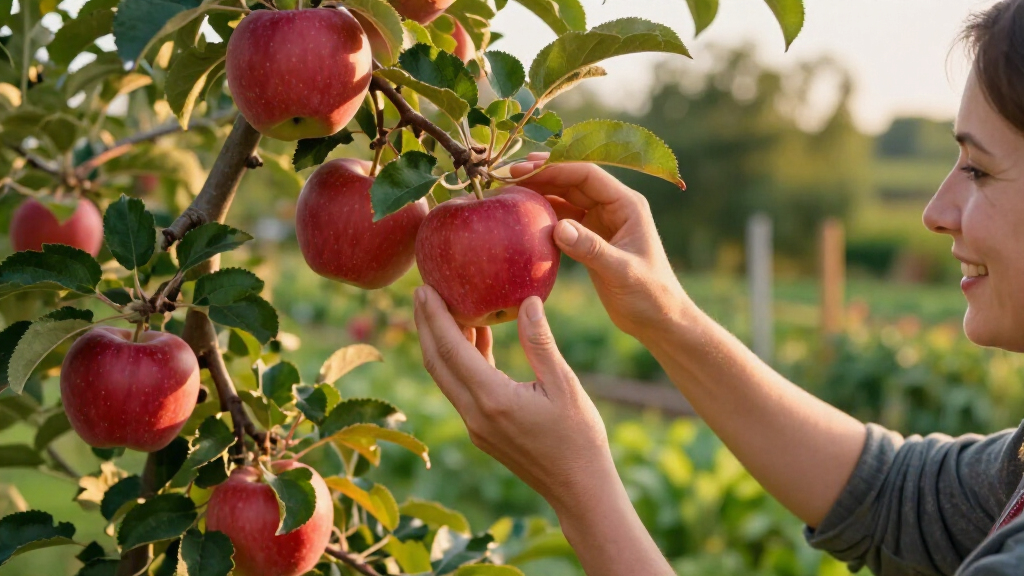
If you’re looking for reliable fruit production with minimal fuss, self-pollinating trees are an excellent choice. The Perfect Plants Italian Honey Fig Tree stands out for its cold hardiness and abundant harvests, making it ideal for small gardens and urban spaces. The Elberta Peach Tree offers a classic fruiting experience with the convenience of self-pollination, perfect for zones 5-8. On the other hand, the Olympian Fig Tree combines large, sweet purple figs with resilience in cooler zones, while the Chicago Hardy Fig adds ornamental value alongside its hardiness. Lastly, the Celeste Fig Tree provides a compact, easy-to-grow option suited for landscape or container growing. Each of these options balances fruit quality, climate adaptability, and space considerations, but they differ in size, climate suitability, and care requirements. Here’s what you need to know to choose the best fit for your garden.
Complete the kit


Key Takeaways
- Self-pollinating fruit trees eliminate the need for a second tree for fruiting, simplifying cultivation.
- The best choices vary based on climate zones, space availability, and desired fruit type.
- Fig trees generally offer multiple harvests annually, while peaches tend to produce a single crop.
- Cold-hardy varieties like Chicago Hardy and Olympian are suitable for cooler regions, but may need winter protection.
- Size and growth habit are key factors—compact trees suit small spaces, while larger trees suit landscape planting.


| self-pollinating fruit tree | Type | Zones |
|---|---|---|
| Perfect Plants Italian Honey F | Fig Tree | 7-10 |
| Elberta Peach Tree | Peach Tree | 5-8 |
| Olympian Fig Tree Live Plant | Live Plant | 6-10 |
| Chicago Hardy Fig Tree Live Pl | Fig Tree | — |
| Perfect Plants Celeste Fig Tre | Fig Tree | — |
More Details on Our Top Picks
Perfect Plants Italian Honey Fig Tree, 1 Gallon, Live Plant
The Perfect Plants Italian Honey Fig Tree shines for its combination of cold-hardiness and abundant fruiting, making it a top pick for gardeners in zones 7-10. Its self-pollinating nature means no need for a second tree, and its manageable size—8-10 feet—fits well in small yards, patios, or urban gardens. Compared with other figs, it offers two harvests per year, which is a significant advantage for continuous fresh fruit. However, its inability to ship to California or Arizona limits accessibility for some growers. It requires full sun and well-draining soil, and colder zones may need winter protection.
Pros:- Produces abundant sweet figs twice a year
- Cold-hardy and suitable for diverse climates
- Compact size ideal for small spaces and containers
- Drought-tolerant and deer-resistant
Cons:- Cannot be shipped to California or Arizona
- Requires full sun and well-drained soil
- May need winter protection in colder zones
Best for: Gardeners in zones 7-10 seeking a reliable, cold-hardy fig tree suitable for small spaces.
Not ideal for: Growers in California or Arizona due to shipping restrictions or those with limited full-sun exposure.
- Type:Fig Tree
- Size:1 Gallon
- Height:8-10 feet
- Zones:7-10
- Harvest:Two per year
- Fruits per season:10-15 pounds
Our verdict“A versatile, cold-hardy fig tree perfect for small gardens in zones 7-10, with reliable fruiting and minimal care needs.”
Elberta Peach Tree – Self Pollinating – Live Fruit Plant Shipped 3 Feet Tall
The Elberta Peach Tree offers the classic peach experience with the convenience of self-pollination. Shipped at around 3 feet tall, it’s an accessible option for beginners and those with limited planting space. Its adaptability to zones 5-8 makes it suitable for a broad range of climates, and its self-fertility means no need for a second peach tree nearby. However, as a deciduous tree, it drops its leaves in winter, and proper planting and watering are crucial for transplant success. Being shipped bare root to California complies with regional regulations, but this might mean a longer establishment period.
Pros:- Self-pollinating for easy cultivation
- Shipped at manageable height for planting
- Suitable for zones 5-8 with full sun
- Classic flavor and reliable harvests
Cons:- Deciduous; leaves fall in winter
- Requires proper planting and watering
- California orders shipped bare root
Best for: Home orchard enthusiasts in zones 5-8 wanting a manageable, self-pollinating peach.
Not ideal for: Growers in very cold microclimates outside zones 5-8 or those seeking a dwarf or compact tree.
- Type:Peach Tree
- Height:3 feet
- Shipping Method:Bare root
- Zones:5-8
- Pot Size:Gallon
Our verdict“A straightforward, self-pollinating peach tree ideal for mid-range zones, offering reliable fruit with simple care.”
Olympian Fig Tree Live Plant – Cold Hardy Ficus carica – Large Purple Figs – Self-Pollinating – Zones 6–10
The Olympian Fig Tree is notable for its ability to produce large, sweet purple figs in zones 6-10. Its self-fertile nature means a single tree suffices for fruiting, and its compact growth habit (4–8 feet) makes it suitable for small gardens or containers. This variety is particularly appealing for growers in cooler microclimates within its zones, thanks to its cold-hardiness. However, in colder microclimates outside zone 6, it may require winter protection. Its moderate watering needs and well-draining soil requirements are typical, but consistent full sun is essential for best fruit production.
Pros:- Produces large, sweet purple figs twice a year
- Cold hardy and suitable for zones 6-10
- Self-fertile, no second tree needed
- Compact size fits small gardens and containers
Cons:- May need winter protection in colder microclimates
- Requires full sun for optimal fruiting
Best for: Gardeners in zones 6-10 seeking large, sweet figs with cold tolerance.
Not ideal for: Growers outside zones 6-10 or those in microclimates requiring extra winter protection.
- Type:Live Plant
- Plant Height:4-8 feet
- Fruits:Large purple figs
- Pollination:Self-pollinating
- Zones:6-10
- Growth Habit:Compact
Our verdict“An excellent choice for cooler climates desiring large, flavorful figs with minimal fuss.”
Chicago Hardy Fig Tree Live Plant – Ficus carica – Cold Hardy, Self-Pollinating, Edible and Ornamental
The Chicago Hardy Fig Tree blends ornamental appeal with cold hardiness, making it a versatile addition for cooler regions. Its self-pollinating nature guarantees fruit without a second tree, and its attractive large leaves add ornamental value. Suitable for containers or garden planting, it produces medium-sized purple figs with rich flavor. While it’s resilient to colder temperatures, some microclimates might still require winter protection for optimal fruiting. Its limited size and ornamental features make it especially appealing for those wanting both beauty and fruit.
Pros:- Cold hardy and suitable for cooler climates
- Self-pollinating for dependable fruiting
- Versatile for containers or garden beds
- Edible and ornamental with attractive foliage
Cons:- May require specific conditions for best fruiting
- Limited size information available
Best for: Gardeners in colder zones looking for a decorative, edible tree that withstands chilly conditions.
Not ideal for: Warm climate growers seeking large, high-yielding trees, or those without space for larger plants.
- Type:Fig Tree
- Variety:Chicago Hardy
- Fruit:Purple figs
- Pollination:Self-pollinating
- Hardiness:Cold Hardy
Our verdict“A practical, ornamental fig tree that combines beauty with dependability in cold climates.”
Perfect Plants Celeste Fig Tree, 3 Gallon, Live Plant
The Celeste Fig Tree is celebrated for its sweet, light purple-brown ‘sugar figs’ and its substantial size—7 to 10 feet tall and wide. Its self-pollinating trait makes it a straightforward choice for growers seeking consistent yields without the complexity of managing multiple trees. Perfect for larger landscapes or patio containers, it produces a reliable harvest of sweet figs. However, its height and expansive growth habit mean that pruning is necessary to keep it manageable, and full sun is essential for the best fruit quality. Its size might be a concern for those with limited space.
Pros:- Produces sweet, edible figs annually
- Self-pollinating for ease of care
- Suitable for landscape or container growing
- Large size yields abundant fruit
Cons:- Grows quite tall and wide, needing pruning
- Requires full sun for best results
- May be too large for small spaces
Best for: Landscaping or big patios where space allows for a taller, productive fig tree.
Not ideal for: Small gardens or tight spaces due to its growth size and habit.
- Type:Fig Tree
- Size:3 Gallon
- Mature Height:7-10 ft
- Mature Width:7-10 ft
- Growth Habit:Leggy branches
Our verdict“A high-yielding, large fig tree ideal for those with ample space and a desire for reliable fruit production.”
How We Picked
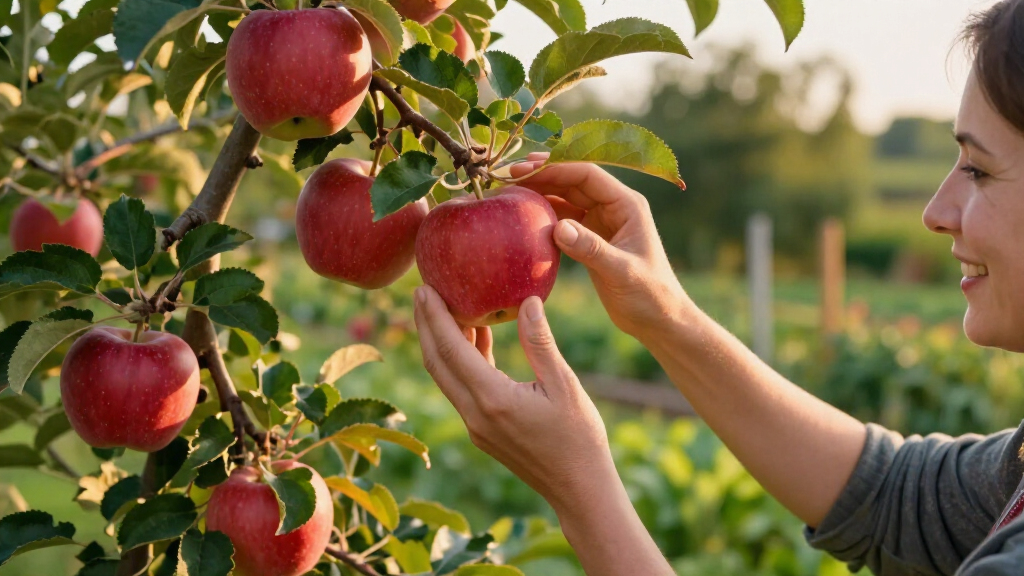
Our selection process focused on self-pollinating fruit trees that combine reliable fruit production with adaptability to various climates and spaces. We prioritized trees that are easy to grow, resilient, and produce high-quality fruit without requiring a second pollinator. Factors considered included hardiness zones, size, ease of care, and fruit yield. We also looked at customer reviews and expert insights to ensure each tree offers real-world value for different types of growers—from urban gardeners to small orchard enthusiasts. The goal was to identify options that balance performance, convenience, and versatility, so you can confidently choose a self-pollinating tree that fits your specific needs.
| self-pollinating fruit tree | Type |
|---|---|
| Perfect Plants Italian Honey F | Fig Tree |
| Elberta Peach Tree | Peach Tree |
| Olympian Fig Tree Live Plant | Live Plant |
| Chicago Hardy Fig Tree Live Pl | Fig Tree |
| Perfect Plants Celeste Fig Tre | Fig Tree |
Factors to Consider When Choosing Best Self-pollinating Fruit Trees
Choosing the right self-pollinating fruit tree involves balancing climate, space, and fruit preferences. Whether you want a compact fig for a small patio or a hardy tree for cooler microclimates, understanding the key factors will help you make a confident decision. Here, I highlight critical considerations such as climate compatibility, size, fruit type, and care requirements to guide you toward the best fit for your garden.
Climate Zone Compatibility
Identifying your USDA zone is essential since not all self-pollinating fruit trees thrive everywhere. Trees like the Olympian and Chicago Hardy figs excel in zones 6-10, offering cold tolerance that extends the growing season. Conversely, peaches like Elberta prefer zones 5-8, with some microclimate adjustments in colder areas. Matching your zone with the tree’s hardiness ensures healthy growth and good fruit yields.
Size and Space Requirements
Consider the mature size of your chosen tree. Options like the Perfect Plants Italian Honey Fig and Olympian Fig are compact enough for containers or small yards, while the Celeste Fig can grow quite tall and wide, requiring pruning and space. Larger landscape trees demand more room, so plan accordingly if your space is limited.
Fruit Type and Harvest Frequency
Decide what fruits appeal most—sweet figs or juicy peaches—and whether multiple harvests per year matter. Most figs, including these selections, produce two crops annually, while peaches typically yield one. The choice influences planting timing, care, and your overall harvest expectations.
Ease of Care and Maintenance
Self-pollinating trees simplify cultivation but still need proper sunlight, watering, and protection in colder zones. Trees like the Chicago Hardy and Olympian are resilient but may require winter protection in microclimates. Consistent full sun and well-drained soil are universal needs for optimal fruiting, so assess your garden’s conditions before planting.
Frequently Asked Questions
Do self-pollinating fruit trees really need only one tree?
Yes, self-pollinating trees are capable of producing fruit on their own because they contain both male and female reproductive parts. This means you only need a single tree to get a harvest, simplifying planting and care, especially in small gardens or urban spaces.
Are self-pollinating trees suitable for colder climates?
Many self-pollinating varieties, such as the Chicago Hardy and Olympian figs, are bred to withstand colder temperatures, making them suitable for zones 6 and above. However, some microclimates may require winter protection, so it’s important to check the specific hardiness zone and local conditions before planting.
What size of tree should I choose for a small yard?
For limited space, look for trees labeled as compact or suitable for containers, like the Perfect Plants Italian Honey Fig or Olympian Fig. These typically grow to 8 feet or less, making them manageable for small yards or patios. Larger trees like the Celeste Fig might need pruning or be unsuitable unless you have ample space.
How much care do self-pollinating fruit trees require?
While these trees don’t need a second tree for fruiting, they still require full sun, well-draining soil, and regular watering. Some varieties, especially in cooler zones, may need winter protection. Proper pruning and pest management also contribute to healthy growth and good harvests.
Can I grow these trees in containers?
Many self-pollinating fig trees, including the Perfect Plants Italian Honey Fig and Olympian Fig, are suitable for container growing due to their manageable size. Peaches like the Elberta can also be grown in large containers if care is taken to provide adequate space, drainage, and sunlight.
Conclusion
For gardeners in warmer zones or those with limited space, the Perfect Plants Italian Honey Fig offers reliable, abundant harvests in a compact form. If you live in zones 5-8 and want a classic fruiting tree with minimal fuss, the Elberta Peach makes an excellent choice. For cooler climates, the Olympian and Chicago Hardy figs provide cold-hardy options that still produce large, sweet fruits. Those seeking a large, productive landscape tree might prefer the Celeste Fig. Ultimately, your choice depends on your climate, space, and fruit preferences, but each of these trees guarantees self-sufficient fruiting—no second tree needed.