TL;DR
Experts recommend planting seven specific plants in your yard before fall to help birds find food and shelter. These plants are crucial for supporting local bird populations as they prepare for winter.
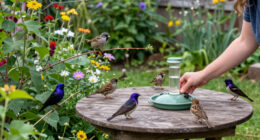
Bird conservation experts are urging homeowners to plant seven specific types of plants in their yards before fall begins to provide essential food and shelter for local bird populations. This initiative aims to support birds as they prepare for winter, ensuring they have adequate resources during the colder months. The advice is based on recent studies highlighting the importance of native plants in sustaining bird life through seasonal changes. Turn Your Yard Into A Migrating Bird’s Favorite Pit Stop – Add These 4 Elements To Your Garden To Help Them On Their Journey
According to wildlife specialists, the seven plants recommended for fall planting include native trees, shrubs, and flowering plants that produce seeds, berries, or nectar, which are vital food sources for birds. These 6 Bird Accessories Are On Sale Now At Target – Stock Up To Support Migrating Birds Before They Head South These plants not only supply nourishment but also offer shelter and nesting sites, crucial for survival during winter. The list includes species such as serviceberries, sumac, goldenrod, asters, coneflowers, sunflower, and holly, each providing specific benefits for different bird species.
Experts emphasize that planting these species now, ideally before the onset of fall, will help create a resilient habitat that supports a diverse range of birds. The timing is critical because many birds begin migrating or preparing for winter during late summer and early fall, relying heavily on available food sources. The plants selected are native to many regions, ensuring they thrive and attract local bird species effectively.
Wildlife organizations note that these plants are easy to incorporate into existing landscapes and do not require extensive maintenance. These 8 Gorgeous Fast-Growing Privacy Plants Create A Sanctuary Of Color, Texture And Fragrance Before Fall They also contribute to broader ecological health by supporting pollinators and other wildlife. Several conservation groups are promoting this initiative as part of a broader effort to enhance urban and suburban habitats for birds and other native species.
Why Planting These 7 Species Matters for Birds’ Winter Survival
Supporting bird populations through habitat enhancement has direct ecological benefits, including pest control, pollination, and seed dispersal. Providing these plants before fall ensures birds have access to critical food and shelter during their migration and wintering periods. This effort can help stabilize local bird populations, many of which are declining due to habitat loss and climate change. For homeowners, planting these species is a simple yet impactful way to contribute to conservation efforts and promote biodiversity in their communities.
native berry producing shrubs for birds
As an affiliate, we earn on qualifying purchases.
As an affiliate, we earn on qualifying purchases.
Recent Trends in Bird Conservation and Native Plant Advocacy
Over recent years, conservationists have increasingly emphasized the importance of native plants in supporting local wildlife, especially birds. Studies show that habitat loss and urbanization have significantly reduced the availability of natural food sources for many species. As a result, efforts to encourage planting native trees, shrubs, and flowering plants have gained momentum. Experts note that early fall is a critical period for birds, as they prepare for migration or wintering, making this a strategic time for habitat enhancement.
Previous initiatives have focused on creating bird-friendly gardens, but recent guidance underscores the importance of selecting specific plants that provide maximum nutritional and shelter benefits. These recommendations are based on research from ornithologists and ecologists who have documented the seasonal needs of various bird species.
“Plantting native species like serviceberries and sumac now can significantly improve winter survival rates for local birds.”
— Dr. Emily Carter, Ornithologist
bird-friendly flowering plants for fall planting
As an affiliate, we earn on qualifying purchases.
As an affiliate, we earn on qualifying purchases.
Uncertainties About the Specific Impact and Regional Variations
While experts agree on the importance of planting these seven species, the exact impact on bird survival rates can vary based on regional climate, existing habitat conditions, and bird species diversity. It is also not yet clear how effective these plants will be in urban versus rural settings or how long it will take for noticeable benefits to manifest. Further research is ongoing to quantify these effects across different environments.
wildlife garden plants for winter shelter
As an affiliate, we earn on qualifying purchases.
As an affiliate, we earn on qualifying purchases.
Next Steps for Homeowners and Conservation Efforts
Homeowners are encouraged to start planting these species immediately, ideally before the peak of fall migration. Local conservation groups plan to provide resources and guidance on native plant selection and planting techniques. In addition, ongoing studies aim to measure the long-term effects of habitat improvements on bird populations. Public awareness campaigns are expected to increase in the coming months, emphasizing the role of individual actions in supporting wildlife.
As an affiliate, we earn on qualifying purchases.
Key Questions
Which plants are recommended for attracting birds before fall?
The seven recommended plants include serviceberries, sumac, goldenrod, asters, coneflowers, sunflower, and holly.
When is the best time to plant these species?
The ideal time to plant is before fall begins, ideally in late summer to early fall, to support birds during their migration and winter preparations.
How do these plants benefit local bird populations?
They provide essential food sources such as seeds, berries, and nectar, as well as shelter and nesting sites, which are critical for survival during winter.
Are these plants suitable for urban gardens?
Yes, most of these native species are adaptable to urban landscapes and require minimal maintenance once established.
Will planting these plants help all bird species?
While they support many common species, the specific benefits depend on regional bird populations and the types of plants planted.
Source: rss