Choosing the best small shade trees requires balancing size, growth rate, and longevity. The American Red Maple stands out as a reliable, long-lasting option, while the Hybrid Poplar varieties excel in rapid growth for quick shade. However, fast-growing trees often come with tradeoffs like shorter lifespans or higher maintenance needs. Conversely, slower-growing options may offer greater durability but may take years to provide substantial shade. Continue reading for a detailed comparison to find the perfect fit for your landscape needs.
Key Takeaways
- Fast-growing trees like Hybrid Poplars deliver quick shade but tend to have shorter lifespans and may require more maintenance.
- Longer-lived options such as Swamp White Oak offer durability but grow more slowly, making them better for patients with time.
- Native and adaptable species like the American Red Maple provide a good balance of shade, beauty, and resilience.
- Planting in the right soil and location significantly influences tree growth and health, regardless of species.
- Tradeoffs between growth speed, longevity, and maintenance need careful consideration to match your landscape goals.


More Details on Our Top Picks
3 Sycamore Trees for Planting – Fast Growing Shade Trees (Platanus occidentalis) – Bare Root Trees for Outdoors
This selection of three Sycamore trees stands out for its rapid growth and striking bark, making it an excellent choice for homeowners seeking immediate shade and landscape impact. Compared with the Live Cottonwood Trees, sycamores tend to be more manageable in size and have a more distinctive appearance, though they still require careful planting since they arrive as bare root specimens. Their large, maple-like leaves provide dense summer shade, but initial growth can be slow until established, which is a key consideration. The trees’ adaptability to various soils broadens their appeal, though proper care is essential for success. Overall, this bundle suits those wanting quick results without sacrificing visual interest, provided they are prepared for some initial planting effort.
Pros:- Fast-growing trees that provide quick shade
- Distinctive mottled bark adds visual interest
- Adaptable to various soil types and conditions
- Large, dense leaves offer substantial summer shade
Cons:- Bare root trees require proper planting and ongoing care
- Growth may be slow initially until trees establish
Best for: Homeowners who want fast, visually striking shade that enhances their landscape immediately
Not ideal for: Gardeners seeking low-maintenance, slow-growing trees or those with limited planting experience
- Unit Count:3
- Color:green, brown
- Style Name:3 live Sycamore Trees to grow
- Sunlight Exposure:Full Sun
- Warranty & Support:Amazon.com Return Policy: Amazon.com Voluntary 30-Day Return Guarantee
Bottom line: This pick is ideal for those wanting rapid shade and landscape character with some initial planting effort.
Swamp White Oak, Long-Living Shade Tree, Acorn Producing, 2-3 ft Tall, 1 Gal Nursery Pot (2 Trees)
The Swamp White Oak excels in longevity, longevity, and resilience, making it a prime choice for those planning a landscape that matures gracefully over centuries. Compared to the fast-growing Hybrid Poplar, this oak takes longer to reach full size but offers a more substantial, broad canopy that provides dense shade and stunning fall color. Its ability to tolerate a wide range of soils, including wet and poorly drained conditions, makes it versatile for naturalized or challenging landscapes. While it won’t deliver immediate shade, its support for wildlife with edible acorns and the potential for over 300 years of growth make it ideal for long-term planning. If patience and permanence matter more than instant impact, this tree deserves serious consideration.
Pros:- Long-lived with over 300 years of growth potential
- Tolerant of various soil and moisture conditions
- Provides dense shade and attractive fall color
- Supports wildlife with edible acorns
Cons:- Takes years to reach full height and canopy size
- Cannot be shipped to CA, AZ, AK, or HI due to regulations
Best for: Landscapers and homeowners seeking durable, long-lived shade trees with wildlife benefits
Not ideal for: Those needing quick shade for immediate relief or limited space for large mature growth
- Height:50-70 feet
- Canopy:Broad, open, rounded
- Bark:Deeply ridged, furrowed, dark brown
- Fall Color:Yellow, with occasional red/purple
- Soil Tolerance:Dry, poorly drained, wet, flooded, compacted soils
- Longevity:Over 300 years
Bottom line: This tree suits those valuing longevity, wildlife benefits, and adaptable planting sites over immediate shade.
Rooted Hybrid Poplar Trees Live Plants – Fast Growing Privacy, Shade or Landscape Tree, Ships Dormant – Bare Root Plants for Planting Outdoors (Bulk Pack) (3 Trees)
This Hybrid Poplar pack offers unmatched speed, making it perfect for those wanting immediate privacy, windbreaks, or quick shade. Compared with the Sycamore trees, these poplars grow faster and can be established in a shorter timeframe, but they tend to be less visually distinctive and may require more space as they mature. Shipping dormant helps ensure survival, though it means the trees will need time to leaf out and reach full size. They are highly effective where rapid results are prioritized over long-term design complexity. For property owners eager for quick screening, this option delivers, but they demand regular maintenance and space considerations.
Pros:- Fast-growing and establishes quickly
- Ships dormant for better survival
- Ideal for privacy screens and windbreaks
- Ships as rooted plants ready to plant
Cons:- Minimal foliage upon arrival, requiring time to leaf out
- Growth rate and ultimate size depend on planting conditions
Best for: Property owners needing fast privacy or windbreaks in a short planting season
Not ideal for: Gardeners seeking slow-growing, ornamental trees or smaller landscapes
- Type:Hybrid Poplar Trees
- Planting Season:Spring or Fall
- Condition:Dormant
- Quantity:3 Trees
Bottom line: This pick is perfect for those prioritizing speed and immediate privacy over ornamental detail or slow growth.
Live Cottonwood Trees (3-Pack) – Fast Growing Populus Shade Trees for Landscaping & Windbreak
The Cottonwood Trees pack excels in rapid growth, delivering shade and visual presence in a short period. Compared to the Sycamore, cottonwoods tend to grow even faster and adapt to a broader range of soil conditions, including colder zones. Their lush, heart-shaped leaves sway prominently, creating a cooling canopy that’s both functional and attractive. However, their fast growth can lead to large root systems that might interfere with nearby structures, and they require ample space to avoid overcrowding. This makes them suitable for large landscapes where immediate shade is desired, but less so for smaller yards or tight spaces that can’t accommodate their vigorous growth.
Pros:- Fast-growing trees that provide immediate shade
- Includes three healthy, well-rooted saplings
- Cold hardy and adaptable to many conditions
- Provides lush, visually appealing foliage
Cons:- Requires significant space as they grow rapidly
- Potential for large root systems that could impact nearby structures
Best for: Large property owners seeking quick, impactful shade with minimal wait
Not ideal for: Small yards or urban gardens where space is limited and roots might cause issues
- Type:Cottonwood Trees
- Quantity:3
- Growth Rate:Fast
- Hardiness Zones:2–9
Bottom line: This choice is ideal for large landscapes needing quick, dense shade with ample room for growth.
Thornless Honey Locust Tree – 18-24″ Tall Live Plant – Fast Growing Shade Tree
The Thornless Honey Locust offers a combination of rapid growth, filtered shade, and safety, making it a standout for urban or family-friendly landscapes. Compared to the Sycamore, it is smaller at planting but grows quickly to 30-70 feet, providing dappled shade through fine, fern-like foliage. Its thornless, podless nature enhances safety for children and pets, while its ability to handle urban stressors makes it suitable for challenging environments. However, it may take several years to reach full height and develop the desired canopy, and optimal growth depends on proper planting conditions. This makes it a reliable choice for those seeking a low-maintenance, safe shade tree that fits into smaller or more urban spaces.
Pros:- Creates attractive, filtered dappled shade
- Virtually no fall cleanup due to quick-decomposing leaflets
- Thornless and podless, safe for children and pets
- Resistant to urban challenges
Cons:- May require time to reach full height and canopy
- Specific planting conditions needed for optimal growth
Best for: Families and urban dwellers seeking safe, fast-growing shade with minimal cleanup
Not ideal for: Those wanting immediate full-canopy shade or larger mature trees quickly
- Height:18-24 inches
- Type:Live Plant
- Growth Rate:Fast
- Maximum Height:30-70 feet
- Thornless:Yes
Bottom line: This tree is best for safety-conscious urban or family settings where moderate, manageable shade is desired over immediate full-canopy maturity.
American Red Maple Shade Tree – Live Plant, 2-3 Feet Tall
This American Red Maple stands out for its adaptability across zones 3 through 9 and its immediate planting readiness, making it a strong choice for homeowners who want a mature-looking tree without waiting years. Compared to the hybrid poplar cuttings, it offers a more established root system, reducing the risk of failure. However, as a deciduous tree, it will lose its leaves in winter, which might not suit those seeking year-round shade or privacy. Its requirement for direct planting limits options for container planting or smaller spaces. Overall, this tree is ideal for those seeking a reliable, mature shade tree that can be transplanted easily into prepared ground.
Pros:- Healthy, ready-to-plant live tree minimizes waiting time
- Suitable for a broad USDA zone range (3-9)
- Includes detailed planting instructions for successful establishment
Cons:- Deciduous nature means seasonal leaf loss, reducing winter shade or privacy
- Requires planting directly in the ground, limiting container or small-space options
Best for: Homeowners wanting an established, adaptable shade tree ready for planting in a wide range of zones.
Not ideal for: Gardeners seeking evergreen trees or those preferring container-grown options for small or urban spaces.
- Plant Type:Shade Tree
- Species:American Red Maple
- Height:2-3 feet
- Zones:3-9
- Sunlight:Full Sun
- Shipping Method:Double boxed
Bottom line: This tree is perfect for those who want an immediately transplantable, adaptable shade tree for spacious, prepared planting sites.
Aussie Hybrid Willow Tree Rooted Cut – Fast Growing Shade Tree – 10 Feet in First Year
This hybrid willow really makes an impression with its ability to reach 10 feet in just one year, making it ideal for quick landscape transformation. Compared with the American Red Maple, it offers faster initial height but requires more space, as it grows aggressively and may need pruning to maintain shape. Its tolerance for drought and disease adds to its low-maintenance appeal, yet its rapid growth demands regular pruning if used for hedges or screens. It’s best suited for large yards or properties where quick shade or privacy is needed without waiting decades. This option is a smart choice for those prioritizing speed and easy planting over long-term size control.
Pros:- Reaches 10 feet in the first year, providing fast shade and privacy
- Easy to plant with included instructions and video guidance
- Drought and disease tolerant, reducing upkeep
Cons:- Requires significant space (3-5 feet apart) for optimal growth
- May need frequent pruning for aesthetic or hedging purposes
Best for: Property owners seeking rapid establishment of shade or privacy screens with minimal fuss.
Not ideal for: Small yard owners or those wanting slow-growing, low-maintenance trees for long-term landscape stability.
- Height:10 feet in first year
- Growth Rate:Fastest growing tree in the world
- Zone Compatibility:USDA Zones 3-10
- Planting Spacing:3-5 feet recommended
Bottom line: This fast-growing willow is ideal for those who want instant impact and don’t mind managing its rapid development.
10 Hybrid Poplar Tree Cuttings – Fast Growing Shade or Privacy Trees
These hybrid poplar cuttings excel when establishing multiple trees quickly, making them perfect for erosion control, privacy screens, or air purification. Compared with the Aussie Hybrid Willow, they come in a bulk pack, offering more trees for larger projects but with less individual control over growth rate and size. Because they are cuttings, success depends heavily on proper planting and care, with some variability in growth outcomes. They lack specific height data, which may be a drawback for those seeking predictable mature size. This product suits larger landscape projects or eco-conscious homeowners looking to enhance air quality and reduce soil erosion.
Pros:- Fast-growing and easy to maintain
- Environmentally beneficial for air quality and erosion control
- Includes detailed instructions and support
Cons:- No specific height or size info, leading to uncertain mature dimensions
- Variable growth success depending on care quality
Best for: Landscapers or homeowners planting multiple trees for environmental benefits or large-scale privacy and shade.
Not ideal for: Small gardens or individuals wanting precise control over tree size and growth timeline.
- Quantity:10 cuttings
- Tree Type:Hybrid Poplar
- Growth Rate:Fast
- Uses:Shade, Privacy, Erosion control, Air filtration
Bottom line: This bulk pack of hybrid poplar cuttings is suited for large-scale planting projects focused on environmental and privacy benefits.
Hybrid Poplar Tree Cuttings – Fast Growing Privacy and Shade Trees (5 Trees)
This set of five hybrid poplar cuttings offers a quick route to privacy and shade, especially with its cottonless, attractive foliage, making it appealing for those who want rapid landscape results. Compared with the 10-pack, it provides fewer trees, which might be limiting for larger areas but is perfect for smaller spaces or initial planting. The instructions facilitate proper planting, but as a single unit, multiple purchases are necessary for broad coverage. This option makes the most sense for homeowners seeking a manageable number of fast-growing trees for a small to medium-sized yard.
Pros:- Fast-growing, providing quick privacy and shade
- Cottonless foliage offers an attractive, low-mess appearance
- Includes planting instructions for success
Cons:- Only one unit per purchase, requiring multiple orders for larger areas
- Limited number of trees for big landscaping projects
Best for: Homeowners or small landscapers wanting quick privacy or shade with a manageable number of trees.
Not ideal for: Large-scale projects or those needing many trees at once, due to the limited quantity per purchase.
- Sunlight Exposure:Full Sun
- Measurements Unit Count:1.0 Count
- Color:Green
Bottom line: This five-pack is ideal for quick, attractive privacy solutions in small to medium yards, with easy planting and maintenance.
How We Picked
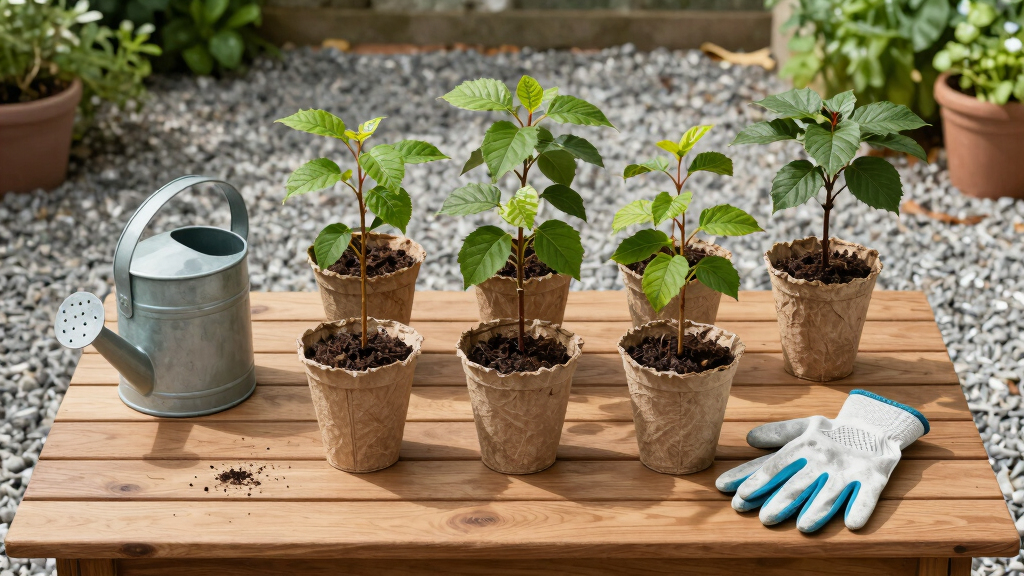
These trees were selected based on a combination of growth rate, size at maturity, adaptability, and overall landscape value. Priority was given to trees that fit within a small space but still provide meaningful shade, focusing on durability and ease of planting. We considered the reputation of each species for resilience, their growth habits, and customer feedback on maintenance needs. The ranking reflects a balance of quick shade delivery, longevity, and low-maintenance traits to suit a variety of homeowner preferences and landscape conditions.Factors to Consider When Choosing Best Small Shade Trees
When selecting the best small shade trees, it’s important to evaluate several key factors beyond just size and appearance. Understanding growth habits, soil compatibility, and maintenance needs will help you choose a tree that thrives in your specific environment. Avoiding common mistakes like planting in unsuitable soil or choosing a species that outgrows your space prematurely can save time and money in the long run. Here are some critical considerations to keep in mind:Growth Rate and Size at Maturity
Deciding between fast-growing or slow-growing trees depends on your immediate shading needs and patience level. Fast growers like hybrid poplars provide quick relief from sun but often have shorter lifespans or weaker wood. Slow growers such as oaks take longer to establish but tend to be more durable. Estimating the mature size helps prevent future conflicts with structures or power lines. Choose a species that matches your timeline and space constraints to avoid needing costly removals or pruning later.
Longevity and Durability
Long-lived trees provide lasting value and often require less replacement over decades. Native species, like the swamp white oak or red maple, tend to adapt better to local conditions and resist pests and diseases. However, durability can come at the cost of slower growth. If you prioritize longevity, selecting species with proven resilience in your area will ensure your investment remains worthwhile over time.
Soil and Site Compatibility
Not all trees thrive in every soil type. Some, like cottonwoods and hybrid poplars, prefer moist, well-drained soils, while oaks and maples may tolerate a broader range of conditions. Assess your soil’s drainage, pH, and fertility before planting. Proper site preparation can significantly boost your tree’s growth and health, reducing stress and maintenance needs down the line.
Maintenance and Care Needs
Fast-growing trees often demand more pruning and pest management. Some species develop weak branches or are prone to disease, requiring regular attention. Conversely, native trees or well-adapted species typically need less care once established. Consider your available time and resources; selecting a lower-maintenance tree can save effort and money over the years.
Aesthetic and Environmental Benefits
Beyond providing shade, many small trees add seasonal interest, attract wildlife, and improve air quality. For example, red maples offer vibrant fall color, while willows and poplars can create windbreaks. Think about how the tree’s appearance and ecological value align with your landscape goals to maximize satisfaction and environmental impact.
Frequently Asked Questions
How quickly can I expect a small shade tree to provide usable shade?
The time it takes for a small shade tree to provide significant shade depends on the species and planting conditions. Generally, fast-growing trees like hybrid poplars can offer noticeable shade within 3 to 5 years, whereas slower-growing options like oaks may take 10 or more years. Proper planting and care can help accelerate growth, but patience is essential for long-term shade benefits.
Are native trees better choices for small shade trees?
Native trees often outperform non-native species in resilience, pest resistance, and adaptation to local conditions, making them excellent choices for long-term health. They typically require less maintenance and are better for supporting local ecosystems. However, native species may not always be the fastest growers, so balancing longevity with growth speed is key based on your goals.
Can I plant small shade trees in containers or restricted spaces?
While some small trees can be container-grown temporarily, most require planting in the ground to reach their full potential. For restricted spaces, choose dwarf varieties or those with naturally compact growth habits. Keep in mind that container-grown trees may need more frequent watering and fertilization, and their root systems can limit growth potential.
What’s the best time of year to plant a small shade tree?
The optimal time for planting is during the dormant season, typically in early spring or late fall, when the tree is not actively growing. Planting during these periods reduces stress and encourages root establishment. Avoid planting in the heat of summer or during winter freezes, as extreme conditions can hinder survival and growth.
How much space should I leave around a small shade tree?
Most small shade trees require at least 10 to 15 feet of clearance from structures, utilities, and other plants to allow healthy growth and prevent conflicts. Consider the mature canopy spread, which can range from 10 to 20 feet depending on the species. Proper spacing ensures your tree has room to grow without causing issues later on, reducing the need for pruning or removal.
Conclusion
For those seeking an all-around reliable option, the American Red Maple offers a great blend of beauty, shade, and resilience, making it ideal for most landscapes. If you want quick results and rapid shade, the Hybrid Poplar or Cottonwood are excellent choices, though they may require more maintenance. Gardeners prioritizing longevity and low fuss should consider native species like the Swamp White Oak. Beginners or those with limited space might lean toward dwarf or ornamental varieties, while landscape professionals might opt for premium, fast-growing hybrids for immediate impact. Carefully matching your needs with these options will help you select the best small shade tree for your property.