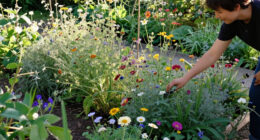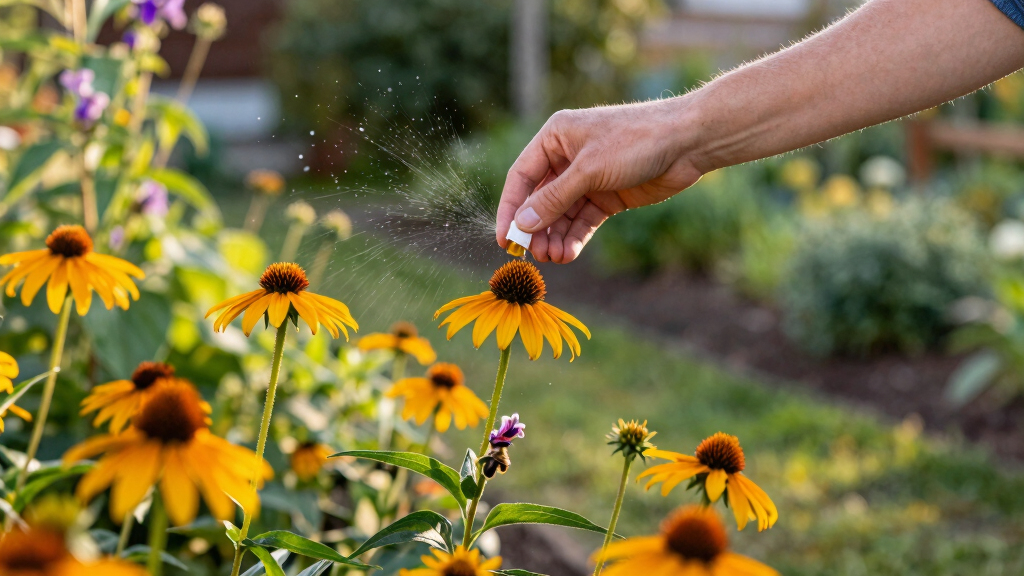

Choosing the best pollinator plants involves balancing attractiveness, ease of care, and suitability for your climate. The Pink Profusion Meadow Sage stands out as the overall top pick for its vibrant blooms and drought tolerance, making it versatile for many gardens. For those focused on supporting monarch butterflies, the Pink Milkweed Live Plants offers a reliable habitat. Meanwhile, wildflower seed mixes provide a cost-effective way to create a diverse pollinator garden. However, tradeoffs include maintenance requirements, plant adaptability, and upfront costs. Continue reading for a detailed breakdown of these options and more.
Key Takeaways
- Top-ranked products balance high pollinator attraction with ease of growth and maintenance.
- Wildflower seed mixes offer great value but require more planning and patience to establish.
- Native plants like milkweed and coneflowers are best suited for supporting local pollinator species.
- Premium options tend to provide more reliable blooms and longer-lasting plants, justifying higher costs.
- Starting with seed mixes is ideal for budget-conscious gardeners, but container gardeners may prefer live plants.


More Details on Our Top Picks
Pink Profusion Meadow Sage – Vibrant Pink Flowers, Pollinator Attractant, Easy-Care Perennial for Full Sun, Drought Tolerance, Non-Toxic for Pets, Container & Garden (Pack of 2)
Pink Profusion Meadow Sage stands out as the best overall choice for gardeners seeking a vibrant, low-maintenance pollinator plant. Its profuse pink blooms from late spring through early fall attract bees and butterflies reliably, much like the Pink Milkweed, but offers a more adaptable perennial option that thrives in full sun and tolerates drought conditions. Compared to the Lavender, this sage requires less watering and is non-toxic for pets, making it a safer, more versatile garden addition. The main tradeoff is that it needs regular deadheading to sustain continuous flowering, which may be less convenient for some. This plant is ideal for gardeners who want a colorful, easy-to-grow perennial that supports local pollinators without extensive care.
Pros:- Vivid pink flowers that bloom for several months
- Attracts a wide range of pollinators including bees and butterflies
- Drought tolerant and easy to care for
- Non-toxic and pet-safe
Cons:- Requires deadheading and pruning for continuous flowering
- Not suitable for indoor or shaded environments
Best for: Homeowners seeking a resilient, colorful perennial that requires minimal maintenance and is pet-safe
Not ideal for: Indoor gardeners or those without full sun, since it needs direct sunlight and outdoor conditions to thrive
- Botanical Name:Salvia nemorosa ‘Pink Profusion’
- Size & Growth:12-24 inches tall, spreading 12 inches wide
- Hardiness Zones:3-8
- Bloom Time:Late spring to early fall
- Light Requirements:Full sun
- Pollinator Attraction:Bees, butterflies
Our verdict“This plant is perfect for gardeners looking for a low-maintenance, pollinator-friendly perennial with vibrant color.”
Pink Milkweed Live Plants – Pack of 2 – Swamp Milkweed – Monarch Butterfly Attractant – Perennial for Gardens and Pollinator Habitats
This pack of Pink Milkweed is tailored for those dedicated to supporting monarch butterfly populations. Its small size of 4-6 inches means it’s a great starter for native plant gardens or wildflower meadows, much like the Live Lavender, but with a specialized focus on monarch habitat. Compared to the Bee Balm, milkweed’s primary advantage is its specific role in supporting monarch caterpillars, making it essential for butterfly conservation. The main consideration is that these plants arrive small and need patience to establish, requiring consistent full sun and well-drained soil. This choice makes sense for gardeners committed to native planting and pollinator support, willing to wait for growth.
Pros:- Supports monarch butterfly lifecycle directly
- Easy to grow with minimal maintenance once established
- Attracts bees and other pollinators
- Provides beautiful pink blooms in mid-summer
Cons:- Plants arrive small and need patience to mature
- Requires full sun and well-drained soil for optimal growth
Best for: Wildlife gardeners and butterfly enthusiasts aiming to attract monarchs and support native pollinators
Not ideal for: Gardeners seeking immediate, large blooms or low-maintenance plants, as milkweed needs time to establish and thrive
- Quantity:2 plants
- Plant Height:4-6 inches
- Bloom Time:Mid-summer to early fall
- Plant Type:Perennial
- Zone Compatibility:3-9
- Attracts:Monarch butterflies, bees
Our verdict“Ideal for conservation-minded gardeners who want to nurture monarchs and native pollinators over time.”
Live Pink Bee Balm Plants – 2 Pack, Attracts Pollinators, 10″ Tall in 1 Qt Pots
These pink bee balm plants excel at creating a vibrant, pollinator-friendly display, especially useful in larger garden beds. Growing 2-4 feet tall with a 3-4 foot spread, they are more imposing than the Lavender or Milkweed, making them ideal for focal points. Compared with the Meadow Sage, bee balm’s larger stature and lush foliage provide a more dramatic visual impact while attracting butterflies and bees effectively. However, they require full sun, moist, well-draining soil, and can grow quite tall, which might overshadow smaller plants. This makes them better suited for gardeners with ample space wanting a bold, colorful addition that supports pollinators on a large scale.
Pros:- Vibrant pink flowers attract numerous pollinators
- Grows tall and wide, creating a striking visual impact
- Shipped fresh directly from the greenhouse
- Supports a wide range of pollinators
Cons:- Requires full sun and moist soil for best growth
- Tall size may require staking or support
Best for: Gardeners seeking a tall, show-stopping perennial that attracts a variety of pollinators and fills large spaces
Not ideal for: Small garden beds or container planting where space is limited, due to their height and spread
- Color:Pink
- Height:10 inches (in pot), grows 2-4 feet tall
- Spread:3-4 feet
- Quantity:2 plants
- Pot Size:1 Qt
- Bloom Period:Summer
Our verdict“Perfect for large gardens or pollinator borders that need a tall, colorful, and attractive perennial.”
Perfect Plants Nanho Butterfly Shrub 1 Gallon
The Nanho Butterfly Shrub offers a hardy, drought-tolerant option that blooms early in spring, attracting butterflies, bees, and hummingbirds. Its fragrant purple flowers add a sensory appeal and visual interest, making it a practical choice for low-maintenance landscapes. Compared with the Meadow Sage, this shrub’s year-round appeal is less dependent on deadheading, and its larger size provides a more substantial presence in the garden. However, its limited zone range and inability to ship to some states mean it’s not suitable for all climates. This shrub makes the most sense for gardeners in zones 5-9 seeking a durable, pollinator-friendly plant that also enhances garden fragrance and structure.
Pros:- Attracts butterflies, bees, and hummingbirds
- Drought tolerant and hardy in suitable zones
- Fragrant purple flowers add visual and olfactory interest
- Low maintenance once established
Cons:- Limited shipping zones restrict availability
- May require patience for full flowering in spring
Best for: Drought-tolerant garden owners in zones 5-9 looking to add early-season color and attract pollinators
Not ideal for: Cold climate gardeners outside zones 5-9 or those needing a plant that blooms later in the season
- Size:1 Gallon
- Hardiness Zone:5-9
- Flower Color:Purple
- Season:Spring
- Drought Tolerance:Yes
- Fragrant Flowers:Yes
Our verdict“Ideal for low-water gardens in zones 5-9 that seek a durable, pollinator-attracting shrub with fragrance.”
Live Lavender 2-Pack – Purple – Fragrant Sun Perennial Herb, Pollinator Friendly, 10” Tall, 1 Pt Pot
This lavender set provides a compact, aromatic addition to herb beds, borders, or containers, attracting pollinators while offering a pleasant scent. Growing around 18-24 inches tall, lavender’s fragrant purple blooms draw bees and butterflies efficiently, similar to the Bee Balm, but with the added benefit of aromatic foliage that many gardeners find appealing. Compared to the Meadow Sage, lavender’s fragrance and deer resistance make it especially attractive for aromatic or low-maintenance gardens. However, it requires full sun, well-draining soil, and low water, which may be a challenge in humid or shady environments. This pick is best suited for gardeners who value both pollination and aromatic herbs in sunny spaces.
Pros:- Fragrant purple blooms attract pollinators
- Deer resistant and highly aromatic
- Compact size fits well in containers and borders
- Ships fresh directly from the greenhouse
Cons:- Requires full sun and well-draining soil
- Low water needs mean less frequent watering
Best for: Herb gardeners and border planners looking for fragrant, pollinator-attracting plants with a compact size
Not ideal for: Gardeners in high humidity climates or shady spots, as lavender prefers dry, sunny locations
- Expected Plant Height:18 inches
- Soil Type:Well draining
- Moisture Needs:Low
- Item Weight:16 ounces
- USDA Hardiness Zone:5-9
- Blooming Period:Late spring to summer
Our verdict“Ideal for sunny, well-drained gardens where aromatic herbs and pollinators are desired in a compact form.”
Burpee Wildflower 25,000 Bulk Flower Seeds Mix, 18 Varieties, Non-GMO Pollinator Garden Seeds
This wildflower seed mix from Burpee stands out for its vast coverage of up to 1,000 square feet, making it ideal for gardeners aiming to support pollinator populations over expansive areas. Its diverse blend of 18 varieties attracts bees, butterflies, and hummingbirds, and being non-GMO with high germination rates adds confidence in its success. Compared to the smaller-scale Home Grown Wildflower Seeds mix, this option offers greater coverage, but it requires sunnier conditions and may not perform well in shaded or less-drained soils. The seed mix’s broad adaptability is perfect for large, sunny outdoor spaces, though germination rates can vary based on local conditions. Overall, this makes sense for those planting extensive wildflower meadows or large garden plots where attracting a variety of pollinators is a priority.
Pros:- Covers up to 1,000 sq ft, ideal for large areas
- Includes 18 diverse flower varieties
- Non-GMO seeds with high germination potential
- Attracts bees, butterflies, and hummingbirds
Cons:- Requires sunny outdoor planting for best results
- Germination rate varies and may need patience
Best for: Gardeners planting large outdoor areas seeking broad pollinator support
Not ideal for: Small garden beds or shaded yard spaces where coverage and diversity are less critical
- Seeds Count:25,000 seeds
- Varieties:18
- GMO Status:Non-GMO
- Coverage:Up to 1,000 sq ft
- Suitable Soil:Most soil types
Our verdict“This seed mix is best suited for those creating large, vibrant pollinator habitats with plenty of sun.”
Pollinator Garden Live Plant Collection – 8 Perennial Live Plants
Compared with seed mixes like 200,000+ Wildflower Seeds, this collection offers immediate impact through 8 healthy, established perennials. It’s ideal for gardeners who prefer low-maintenance options that return annually, such as Butterfly Weed and Purple Coneflower, which attract butterflies and hummingbirds. Its native, drought-tolerant plants reduce watering needs, but the variation in plant size early in the season can delay full display of blooms, and they require full sun and well-drained soil for optimal growth. This pick makes the most sense for those who want a reliable, perennial-based pollinator garden without the wait for germination or the need for extensive seeding. Its focus on native plants also promotes local biodiversity effectively.
Pros:- Includes 8 healthy, ready-to-plant perennial plugs
- Native, drought-tolerant, and low-maintenance
- Attracts butterflies, bees, and hummingbirds
- Returns year after year with minimal effort
Cons:- Plant size can vary early in the season
- Requires full sun and well-drained soil for best growth
Best for: Gardeners seeking immediate, low-maintenance perennial pollinator plants
Not ideal for: Those looking for extensive, large-scale wildflower seed mixes or quick coverage
- Plant Size:Varies; smaller early, larger later
- Includes:8 perennial plugs
- Plant Types:Butterfly Weed, Swamp Milkweed, Purple Coneflower, Black-Eyed Susan
- Features:Drought-tolerant, native, low-maintenance
- Season:Blooming year after year
Our verdict“This collection is ideal for gardeners wanting reliable, native perennials that support pollinators annually.”
200,000+ Wildflower Seeds Bulk (4oz) – 16 Varieties Perennial & Annual Mix for Pollinator Gardens
This extensive wildflower seed mix from 200,000+ Seeds offers a vast quantity of over 200,000 seeds, supporting biodiversity across zones 3-9. Its blend of 16 perennial and annual varieties produces a colorful, long-lasting display from spring through fall, attracting numerous pollinators. Its quick germination (7-20 days) makes it suitable for gardeners who want fast results, but it does require full sun and some soil prep for best success. When compared to seed-only options like Burpee Wildflower Seeds Mix, this mix excels in quantity and biodiversity but demands more initial care and planning. Overall, this mix suits large, ambitious planting projects that aim for maximum pollinator engagement over multiple seasons.
Pros:- Over 200,000 seeds for extensive coverage
- Supports biodiversity with 16 varieties
- Fast germination enhances quick bloom
- Suitable for zones 3-9, versatile outdoor use
Cons:- Requires full sun and some soil preparation
- May need additional watering during establishment
Best for: Enthusiasts planting large, colorful, multi-season pollinator gardens
Not ideal for: Gardening novices or those with shaded or poorly prepared soils
- Quantity:200,000+ seeds
- Varieties:16
- Type:Perennial & Annual Mix
- Germination Time:7-20 days
- Zones:3-9
- Plant Height:6 inches to 6 feet
Our verdict“This seed mix is perfect for gardeners aiming for a vibrant, biodiversity-rich pollinator garden covering large areas.”
HOME GROWN Premium Monarch Butterfly Wildflower Seeds Mix (2oz) – Non-GMO, Perennial Wildflowers for Pollinator Gardens
This HOME GROWN seed mix emphasizes monarch butterfly support with nectar-rich, perennial wildflowers that bloom from spring to fall, similar to the Pink Milkweed Live Plants but in seed form. It’s especially suited for gardeners focused on monarch conservation, providing a sustainable habitat that returns annually. While it’s easy to grow and supports a broad array of pollinators, it needs full sun and may require periodic watering, which can be a consideration for low-maintenance gardens. Compared to seed mixes like 200,000+ Wildflower Seeds, this option is more targeted and manageable for smaller or mid-sized gardens, but it might take longer to establish compared to planting mature plants.
Pros:- Supports monarchs and other pollinators
- Easy to grow with minimal effort
- Perennials bloom from spring to fall
- Non-GMO and eco-friendly
Cons:- Requires full sun and periodic watering
- Germination may take longer than 14 days
Best for: Gardeners dedicated to supporting monarch butterflies and native pollinators in smaller or medium-sized gardens
Not ideal for: Large-scale planting projects or gardeners seeking instant blooms without waiting for seed germination
- Weight:2 oz
- Seed Count:20,000+ seeds
- GMO Status:Non-GMO
- Planting Zones:3-9
- Bloom Period:Spring through Fall
- Height Range:6 inches to 6 feet
Our verdict“Ideal for those focused on monarch conservation who prefer a manageable, perennial-based pollinator garden.”
Burpee Wildflower Seed Mix – 25,000 Non-GMO Seeds, 18 Varieties for Pollinators
This Burpee Wildflower Seed Mix shares many similarities with the Burpee Wildflower 25,000 Seed Mix, featuring 25,000 non-GMO seeds across 18 varieties. It is particularly effective at attracting hummingbirds and butterflies from spring to fall, covering up to 1,000 square feet. While its large area coverage makes it suitable for extensive planting, germination can be variable, and wildflowers may take some time to establish and fully bloom. Its ease of sowing and adaptability to most soil types make it a popular choice for outdoor spaces dedicated to pollinator support. Compared with seed-only mixes, this one emphasizes nectar sources for hummingbirds, making it ideal where those pollinators are a priority.
Pros:- Attracts hummingbirds and butterflies
- Contains 18 diverse wildflower varieties
- Easy to sow and suitable for most soil types
- Covers a large area with one bag
Cons:- Germination and bloom time can vary
- Wildflowers may take time to fully establish
Best for: Gardeners seeking to attract hummingbirds and butterflies over large sunny areas
Not ideal for: Gardens with shaded spots or gardeners wanting quick bloom without waiting for wildflower establishment
- Seed Count:25,000 seeds
- Coverage:1,000 sq ft
- Varieties:18
- GMO Status:Non-GMO
Our verdict“This seed mix suits large-scale gardens focused on attracting nectar-loving pollinators like hummingbirds and butterflies.”
200,000+ Wildflower Seeds [4oz] 16 Variety Perennial Mix – Heirloom Seeds for Pollinator Gardens
16 Variety Perennial Mix – Heirloom Seeds for Pollinator Gardens” image=”https://m.media-amazon.com/images/I/81ACAfgS+GL._AC_SY300_SX300_QL70_FMwebp_.jpg” link=”0″]Best Overall for Diverse Pollinator Attraction
View Latest PriceThis heirloom perennial wildflower mix stands out for its incredible diversity, featuring 16 vibrant varieties that draw bees, butterflies, and birds alike. Compared with the bulk seed options like the Wildflower Seeds Bulk Mix, this 4oz packet offers a curated selection with higher germination rates, making it more reliable for consistent blooms. While its smaller quantity limits coverage for large areas, the included planting guides and QR codes simplify cultivation, especially for gardeners seeking an easy, pollinator-friendly start. However, some varieties may need specific soil conditions or patience to fully establish, so it’s best suited for gardeners who want immediate, reliable results in a manageable space.
Pros:- Includes 16 vibrant heirloom varieties to attract pollinators
- High germination rate with quick sprouting
- Suitable for indoor and outdoor planting across USDA zones
- Comes with planting guide and QR code for easy instructions
Cons:- Seeds may require specific soil conditions for best results
- Limited to 4oz quantity which may not cover large areas
- Some varieties may need patience to fully establish
Best for: Gardeners wanting a reliable, high-diversity pollinator seed mix suitable for both indoor and outdoor use
Not ideal for: Large-scale landscapers seeking extensive coverage, as the 4oz size may be insufficient for big areas
- Quantity:4oz
- Varieties:16
- Seed Type:Perennial Heirloom
- Attractions:Bees, butterflies, birds
- Germination Rate:High
- Viability:Up to 3 years
Our verdict“This mix offers a dependable, diverse introduction to pollinator gardening for small to medium spaces aiming for immediate impact.”
Clovers Garden Purple Coneflower (Echinacea Purpurea) Plants – 2 Live Plants in 4″ Pots
This pair of healthy purple coneflower plants offers a straightforward way to add vibrant, pollinator-friendly color to garden beds. Unlike seed mixes such as the Wildflower Seeds Bulk Mix, these established plants provide immediate visual impact and attract pollinators from mid-summer onward. While they thrive as perennials in Zones 3 and warmer, their size (4 to 8 inches) requires space, making them less suited for small containers or tight garden spots. These plants are ideal for gardeners seeking reliable, long-term pollinator support without the wait for seeds to grow. However, they may need space to spread and could vary in bloom duration depending on climate, making them less perfect for quick, small-scale projects.
Pros:- Healthy, large, and ready-to-grow plants
- Pollinator-friendly with long-lasting blooms
- Perennial in suitable zones for consistent updates each year
- Eco-friendly packaging and satisfaction guarantee
Cons:- Plants require space to spread in large gardens
- Season-long blooming may vary with climate
- Not suitable for small containers
Best for: Gardeners who prefer mature plants with dependable, long-lasting blooms for perennial gardens
Not ideal for: Container gardeners with limited space or those wanting immediate color from seed starting
- Quantity:2 plants
- Size:4″ to 8″ tall
- Pot Size:4 inches
- Grown In:Midwest
- Zone Compatibility:Zones 3 and warmer
- GMO Status:Non-GMO
Our verdict“This option makes the most sense for gardeners seeking immediate, perennial pollinator plants with vibrant, reliable blooms.”
Home Grown Wildflower Seeds Bulk Mix | 90,000+ Non-GMO Perennial Flower Seeds for Outdoor Planting | 24 Varieties to Attract Bees, Birds & Hummingbirds | Butterfly Garden | 3 oz
This bulk seed mix, with over 90,000 non-GMO perennial seeds across 24 varieties, is ideal for creating expansive, naturalistic pollinator habitats. Compared to smaller seed packets like the 200,000+ Wildflower Seeds Mix, this 3 oz bag offers a more extensive, meadow-style planting that attracts a wide range of pollinators, including bees, butterflies, and hummingbirds. Its high seed count and diversity make it perfect for large gardens or wildflower meadows, although germination can depend heavily on soil and climate conditions. It’s less suitable for small gardens due to the volume and the need for ample outdoor space. For those wanting a continuous, natural bloom season, this mix provides a vibrant, low-maintenance option.
Pros:- Over 90,000 seeds across 24 varieties for diverse blooms
- Creates a colorful, natural landscape that attracts various pollinators
- Easy to grow with detailed instructions for beginners
- Non-GMO seeds for eco-conscious gardeners
Cons:- Requires outdoor space and patience for germination
- Bulk quantity may be more than needed for small gardens
- Germination success depends on soil and climate
Best for: Homeowners with large outdoor spaces seeking a natural, multi-year pollinator habitat
Not ideal for: Small garden beds or urban courtyards where space is limited
- Seed Count:90,000+ seeds
- Varieties:24
- Weight:3 oz
- GMO Status:Non-GMO
- Planting Season:Spring through fall
- Type:Perennial wildflowers
Our verdict“This mix is perfect for gardeners with large plots aiming for a vibrant, perennial meadow that supports multiple pollinator species.”
Clovers Garden Asclepias Tuberosa (Butterfly Milkweed) Plants – 2 Live Plants in 4″ Pots
This pair of Butterfly Milkweed plants offers a reliable way to attract monarchs and other pollinators, providing vibrant orange flowers throughout summer. Unlike seed-based options such as the Wildflower Seeds Mix, these mature plants offer an immediate boost to pollinator activity, especially for monarch conservation efforts. While they are hardy and suitable for Zones 3-9, their size (4 to 8 inches) requires space and proper care to ensure they return year after year. They are less ideal for gardeners seeking quick, inexpensive solutions or those with very limited space. These plants excel in native, perennial gardens where long-term monarch habitat is a priority.
Pros:- Attracts pollinators including Monarch butterflies
- Hardy and easy to grow in multiple zones
- Perennial with vibrant orange blooms throughout summer
- GMO-free and eco-friendly
Cons:- Plants require proper care to ensure perennial return
- Limited to Zones 3-9, not suitable outside these zones
- Must be planted with space to grow
Best for: Gardeners committed to supporting monarch butterflies and looking for reliable, perennial plants
Not ideal for: Urban gardeners with restricted space or those wanting instant color from seeds
- Quantity:2 plants
- Plant Height:4″ to 8″ tall
- Pot Size:4 inches
- Grown In:Midwest
- US Zone:3-9
- GMO Status:Non-GMO
Our verdict“This is the best choice for gardeners dedicated to supporting monarch populations with reliable, perennial nectar sources.”
Butterfly and Hummingbird Wildflower Mix – 30,000+ Seeds, 1 oz Bulk Resealable Packet
This wildflower mix, with over 30,000 non-GMO seeds, is designed to attract both butterflies and hummingbirds with its nectar-rich, colorful blooms. Compared to seed mixes like the 200,000+ Wildflower Seeds, this 1 oz packet focuses on specialized, nectar-producing flowers for continuous seasonal attraction. While it’s easy to scatter and water, its performance can vary depending on soil quality and climate, making it less predictable for beginners or those with limited outdoor space. It’s ideal for gardeners seeking a long-lasting, nectar-rich display that draws hummingbirds and butterflies throughout the season. However, the small packet size may not be sufficient for large projects, and planting success depends on proper care.
Pros:- Attracts both butterflies and hummingbirds with nectar-rich flowers
- Contains over 30,000 non-GMO, open-pollinated seeds
- Provides a long bloom season from summer to frost
- Easy to scatter and water for quick setup
Cons:- Requires scattering and watering for best results
- Performance varies with soil and climate conditions
- Limited seed quantity for large areas
Best for: Wildlife gardeners wanting a concentrated, nectar-rich mix to support butterflies and hummingbirds in most climates
Not ideal for: Small urban gardens or those seeking large-scale wildflower meadows, due to limited seed quantity
- Sunlight Exposure:Full Sun
- Measurements Unit Count:1.0 Ounce
- Color:MultiColor
Our verdict“This mix makes a smart choice for those wanting a concentrated, nectar-rich wildflower display supporting pollinators and hummingbirds throughout the season.”
How We Picked
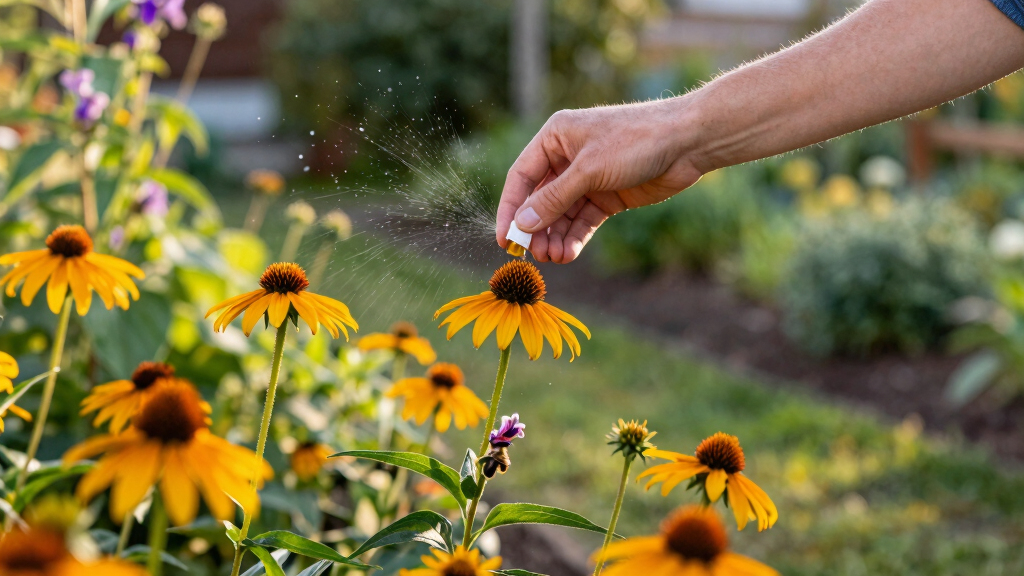
Products were evaluated based on their attractiveness to key pollinators such as bees, butterflies, and hummingbirds, as well as ease of planting and maintenance. We prioritized plants and seed mixes that are native or well-adapted to a range of climates, offering long-lasting blooms and high resilience. Cost-effectiveness was also a factor, especially for gardeners with varying budgets. To ensure a balanced perspective, we included both live plants and seed mixes, considering their suitability for different garden sizes and skill levels. The final ranking reflects a combination of pollinator appeal, versatility, durability, and value for money.
Factors to Consider When Choosing Best Pollinator Plants
When selecting pollinator plants, it’s important to consider several factors that influence how well they will perform in your garden and how effectively they attract pollinators. Understanding these aspects can help you avoid common mistakes and choose plants that meet your specific needs and environment. Here are key considerations to keep in mind:Climate and Native Species
Choosing plants native to your region ensures better adaptation, stronger growth, and greater attractiveness to local pollinators. Native plants are often more resilient to pests and diseases, reducing maintenance. Avoid installing non-native plants that may not thrive or could disrupt local ecosystems. Additionally, consider your USDA hardiness zone and typical weather patterns to select species suited to your environment.
Bloom Time and Seasonality
To support pollinators throughout the growing season, select a variety of plants that bloom at different times. This staggered flowering ensures a continuous food source for bees, butterflies, and hummingbirds. A mix of early, mid, and late-season blooms will maximize pollinator visits and help sustain their populations over months.
Plant Diversity and Arrangement
Incorporating a diverse range of species encourages a broader array of pollinators and reduces the risk of plant-specific pests. Grouping similar plants together in clusters enhances visibility and access for pollinators. Aim for a mix of colors, shapes, and sizes to attract different species and create a lively, thriving habitat.
Maintenance and Growth Requirements
Evaluate how much effort you’re willing to put into watering, pruning, and pest control. Drought-tolerant and low-maintenance plants are ideal for busy gardeners or xeriscaping. Conversely, some native perennials may require seasonal care but reward with abundant blooms. Matching plant choices to your maintenance style will promote long-term success.
Cost and Establishment Time
Seed mixes are generally more affordable but take longer to establish and require patience before flowering. Live plants cost more upfront but offer immediate impact and often require less initial effort. Consider your budget and timeline when deciding whether to invest in mature plants or start with seeds, balancing cost with convenience.
Frequently Asked Questions
Are native plants always the best choice for pollinator gardens?
Native plants are often the most effective for supporting local pollinators because they have co-evolved with native species, ensuring better attraction and resilience. However, in some cases, well-adapted non-native plants can also provide nectar and habitat, especially in urban or disturbed areas. The key is to prioritize native species when possible, but supplement with non-invasive options suited to your climate to diversify your garden.
Can I plant wildflower seed mixes in small urban gardens or containers?
Yes, wildflower seed mixes can work well in small spaces and containers if you select the right mix for your environment. Look for options designed for container planting or small beds, and be prepared for a longer establishment period. These mixes can provide a natural, low-maintenance way to attract pollinators, but they require patience and proper soil preparation to succeed.
How do I ensure my pollinator plants actually attract bees and butterflies?
Choosing plants with abundant nectar and pollen, especially those with bright colors and tubular shapes, enhances attractiveness. Planting in clusters rather than isolated specimens increases visibility for pollinators. Providing a variety of species that bloom at different times also sustains their activity across seasons. Avoid pesticides and choose organic gardening practices to protect visiting pollinators.
Are seed mixes or live plants more cost-effective for creating a pollinator garden?
Seed mixes generally offer a lower initial investment and can cover larger areas, making them cost-effective for establishing a broad habitat. However, they take longer to grow and require more patience for plants to mature and bloom. Live plants cost more upfront but provide immediate visual impact and often require less waiting. Your choice depends on your budget, timeline, and maintenance willingness.
What are common mistakes to avoid when planting pollinator gardens?
One common mistake is selecting plants unsuitable for your climate or soil, leading to poor growth and limited pollinator attraction. Overplanting single species instead of creating diverse clusters can reduce effectiveness. Ignoring bloom times results in gaps in nectar availability. Additionally, using chemical pesticides can harm pollinators, so opting for organic practices is safer. Proper planning and research help create a thriving, pollinator-friendly space.
Conclusion
For gardeners seeking the best overall pollinator plants, the Pink Profusion Meadow Sage offers a vibrant, drought-tolerant option that performs well across many settings. Those on a budget or starting small may prefer seed mixes like the Wildflower Seeds Bulk Mix for their affordability and diversity. Gardeners focused on supporting monarchs should consider the Pink Milkweed, while newcomers will find live plants like the Clovers Garden Coneflower easier to establish. For premium, long-lasting blooms, select specialized native perennials—these deliver consistent pollinator interest but at a higher cost. Tailor your choice to your goals, garden size, and maintenance capacity to build a thriving pollinator haven.