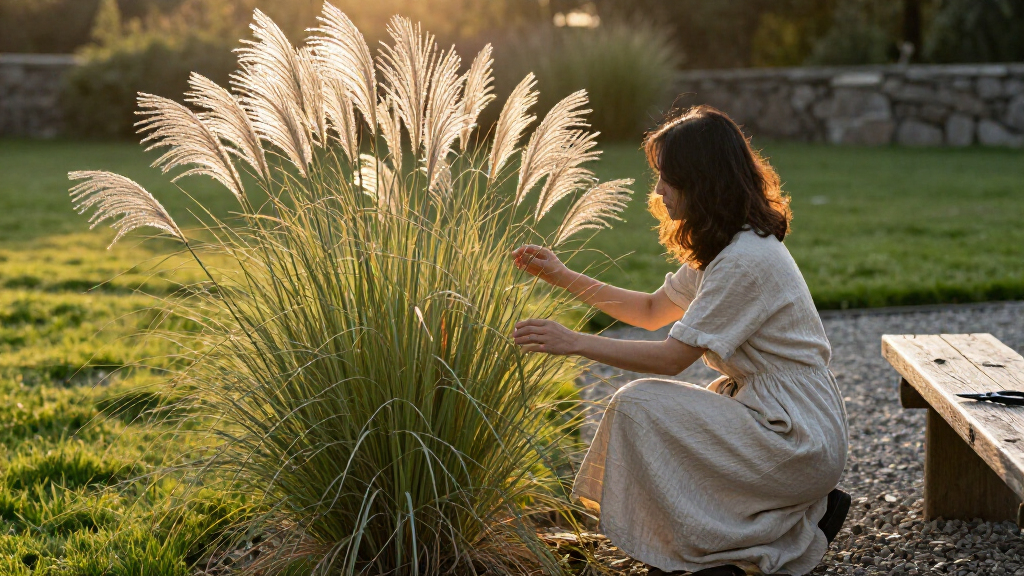

The best ornamental grass overall in this lineup is Karl Foerster Feather Reed Grass, a live plant that offers a defined upright form without the uncertainty of starting from seed. For compact spaces, Blue Fescue is a better fit, while Giant Miscanthus stands out for gardeners seeking a tall privacy screen. The main tradeoffs are mature size, time to establish, climate suitability, and whether you want a ready-to-plant specimen or a less predictable seed project. Plume color and seasonal display also vary widely across the options. Read on for the full comparison and help matching each grass to your garden.
Complete the kit


Key Takeaways
- Karl Foerster Feather Reed Grass is the strongest all-around live-plant pick because its upright habit suits structured borders better than sprawling or seed-grown options.
- Blue Fescue has the clearest role for small gardens: its compact scale makes it more practical near paths and in tight planting beds than Giant Miscanthus or Pampas Grass.
- Giant Miscanthus is the privacy-focused choice, but its tall growth makes it a poor match for small yards or gardeners who need a restrained plant.
- Live plants reduce the wait and uncertainty of seed starting, while Pampas, Bunny Tail, and Love Grass seeds offer a broader growing project rather than an immediate landscape effect.
- The two Pink Muhly listings and multiple Pampas seed listings serve overlapping goals; compare plant count, form, and intended use instead of assuming a shared grass name means identical results.
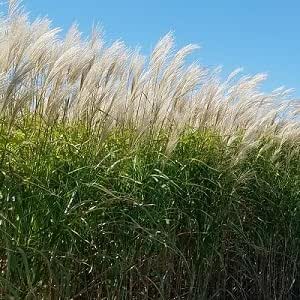


More Details on Our Top Picks
Giant Miscanthus Grass – 2 Pack, Fast-Growing Privacy Screen, Hardy Ornamental Grass
For a living screen with real height, Giant Miscanthus is the standout in this group: it can reach 10–12 feet, far taller than the starter-sized Black or Red Fountain Grass plants. The two-plant pack can create a bold backdrop, and its golden-bronze fall blades and winter plumes keep the planting visually active after summer. It is listed for zones 5–9 and described as low-maintenance and drought-tolerant, making it a better fit for larger borders than plants chosen mainly for containers, such as Red Fountain Grass. The tradeoff is scale: a three-foot spread and fast growth call for room and ongoing management. Its dense mature roots can also make removal difficult, so I’d skip it for a temporary screen or a compact bed.
Pros:- Reaches 10–12 feet for screening and strong vertical impact
- Seasonal foliage color and plumes provide interest into winter
- Described as low-maintenance, drought-tolerant, and deer-resistant
- Two plants can establish a larger planting more quickly than a single specimen
Cons:- Fast growth and dense mature roots can make it difficult to contain or remove
- Requires substantial space compared with compact fountain grasses
- The listed three-inch pots mean the plants arrive as small starters
Best for: Gardeners in zones 5–9 who want a tall, natural privacy screen or a dramatic backdrop and have room to manage a fast-growing grass.
Not ideal for: Container gardeners and owners of small beds who cannot accommodate a grass reaching 10–12 feet with a three-foot spread.
- Plant height:10–12 feet
- Spread:3 feet
- Number of plants:2
- Pot size:3 inches
- Hardiness zones:5–9
- Growth rate:Fast-growing
- Sunlight:Partial sun
- Listed colors:Green, white, tan
Our verdict“Choose Giant Miscanthus for a roomy zone 5–9 landscape where height and screening matter more than easy containment.”
2 Black Fountain Grass Live Plants, 4-8 Inches Tall, Low Maintenance, Fast Growing Perennial Ornamental Grasses for Gardens
Black Fountain Grass earns its place for foliage contrast rather than screening: its dark blades and feathery plumes can give a sunny border or pathway a distinct focal point. The two plants arrive at 4–8 inches, so they are starter plants, not an instant landscape feature. Compared with Red Fountain Grass, this option emphasizes dark foliage instead of burgundy color and has a listed perennial range of zones 5–9. Both suit accent planting, but this listing calls for full sun and regular watering, which makes it less forgiving for dry spots than the drought-tolerant red option. Growth-rate details are limited, too, so I would not choose it when a predictable mature size or fast coverage is the main goal.
Pros:- Dark foliage creates strong contrast in mixed plantings
- Feathery plumes add texture as the plants mature
- Two live plants suit paired accents or a small border grouping
- Listed as a perennial for zones 5–9
Cons:- Requires full sun and regular watering
- Plants arrive only 4–8 inches tall
- The supplied details do not specify mature size or a precise growth rate
Best for: Gardeners in zones 5–9 who have a sunny, well-drained border or pathway and want dark foliage to contrast with lighter plants.
Not ideal for: Gardeners with shaded beds, dry planting areas, or a need for documented mature dimensions and predictable screening.
- Number of plants:2
- Plant height:4–8 inches
- Plant type:Perennial ornamental grass
- Sunlight:Full sun
- Hardiness zones:5–9
- Moisture needs:Regular watering
Our verdict“Pick Black Fountain Grass for a sunny, regularly watered garden where dark foliage matters more than fast coverage.”
1000+ Mix Pampas Grass Seeds for Planting – Cortaderia Selloana – Ornamental Tall Feathery Blooms in Blue, White, Pink, Red, Yellow
This seed packet suits gardeners planning a broad planting rather than buyers who want a finished accent soon. With over 1,000 mixed-color seeds and a stated potential height of 12 feet, it offers more scope for a large display than the two-plant Giant Miscanthus pack, though it cannot promise the same ready-to-plant certainty. Pampas grass’s tall feathery plumes can add screening and visual height, while this listing specifies full sun, spring planting, and moderate watering. The key compromise is germination: results may vary, and the product information acknowledges inconsistent germination. Compared with the live Red Fountain Grass, these seeds require more patience and growing effort; they make more sense for a gardener willing to start many plants than for someone seeking an immediate container accent.
Pros:- Over 1,000 seeds provide potential for extensive sowing
- Pampas grass can reach a stated height of 12 feet
- Feathery plumes offer a tall ornamental effect
- Heirloom seed listing specifies full sun and spring planting
Cons:- Germination may be inconsistent, so the final plant count is uncertain
- Seed-grown plants take longer to establish than the live Red Fountain Grass starters
- A tall mature size requires ample planting space
Best for: Patient gardeners with a sunny, spacious planting area who want to start a large pampas grass display from seed.
Not ideal for: Buyers who need reliable plant counts, quick screening, or ready-to-grow live plants for a patio or small border.
- Seed quantity:Over 1,000
- Species:Cortaderia selloana
- Expected plant height:Up to 12 feet
- Sunlight:Full sun
- Planting period:Spring
- Moisture needs:Moderate watering
- Listed material:Heirloom
- Color:Mixed
Our verdict“Choose these pampas seeds for a large, sunny planting if you can accept uncertain germination and a longer wait for mature plumes.”
Red Fountain Grass Live Plants | Pack of 2 | 5-9 inches tall | Pennisetum setaceum ‘Rubrum’ | Drought Tolerant Ornamental Grass for Outdoor Patio Pots & Landscapes
Red Fountain Grass is the strongest fit here for containers and colorful landscape accents: burgundy foliage gives it a different job from the dark-leaved Black Fountain Grass, while its 5–9-inch starter size is manageable for patio pots. The two live plants are listed as drought-tolerant, and the zone guidance distinguishes between perennial use in zones 9–11 and annual use in zones 3–8. That flexibility makes it more adaptable across climates than the zone 4–9 Purple Ornamental Grass, though colder-zone gardeners should treat it as an annual rather than expect it to return. Full sun is required, and shipping stress may affect appearance on arrival. I’d choose it for color and container versatility, not as a tall privacy grass.
Pros:- Burgundy-red foliage and soft plumes add color beyond green-leaved grasses
- Two starter plants suit containers and small accent groupings
- Listed as drought-tolerant
- Zone guidance covers perennial use in 9–11 and annual use in 3–8
Cons:- Requires full sun for best growth
- In zones 3–8 it is listed as an annual, not a returning perennial
- Plants may show shipping stress before recovering after planting
Best for: Patio gardeners and landscape designers seeking burgundy foliage in full-sun containers or accent groupings, especially in warm zones.
Not ideal for: Buyers seeking a reliably returning perennial in zones 3–8, or gardeners without a sunny planting location.
- Quantity:2 plants
- Plant height:5–9 inches
- Species:Pennisetum setaceum ‘Rubrum’
- Plant type:Ornamental grass
- Drought tolerance:Yes
- Perennial zones:9–11
- Annual zones:3–8
Our verdict“Choose Red Fountain Grass for sunny pots and burgundy color, but select another option if you need a cold-hardy perennial.”
2 Purple Ornamental Grass Perennial Live Plants, 5-9 Inches Tall
For a compact planting that can return across a broad range of climates, these Purple Ornamental Grass starters have a useful advantage: they are listed as perennials for zones 4–9, compared with Red Fountain Grass, which is annual in zones 3–8. At 5–9 inches tall, the two plants are suited to borders and patio containers, not large-scale screening like Giant Miscanthus. The purple plumes offer a color accent, though the listing gives no mature height or spread, so buyers cannot plan the finished shape as precisely as they can with Miscanthus. Full sun and moderate watering are specified. I’d favor this option when hardiness and a small planting footprint matter more than drought tolerance or detailed growth information.
Pros:- Listed as perennial in zones 4–9
- Compact 5–9-inch starter size suits borders and containers
- Purple plumes add a distinct color accent
- Two plants allow a paired planting
Cons:- Mature height and spread are not specified
- Requires full sun and moderate watering
- Small starter size will not provide immediate landscape coverage
Best for: Gardeners in zones 4–9 who want two compact, full-sun perennial accents for a border or patio container.
Not ideal for: Buyers who need a tall privacy screen, detailed mature-size guidance, or a grass suited to infrequent watering.
- Quantity:2 plants
- Plant height:5–9 inches
- Color:Purple
- Sunlight:Full sun
- Hardiness zones:4–9
- Water needs:Moderate watering
- Plant type:Perennial grass
Our verdict“Choose this pair for a compact purple accent that is listed as perennial across zones 4–9, not for screening or low-water planting.”
50+ Blue Fescue Ornamental Grass/Perennial Festuca/Drought Tolerant/Sun or Shade
I’d choose this blue fescue seed option for a tidy, low-growing planting rather than a tall focal point. At 10–12 inches, it stays far shorter than Karl Foerster Feather Reed Grass or pampas grass, so it fits edging, rock gardens, and smaller spaces without blocking views. Its listed tolerance for sun or shade gives it more placement flexibility than those full-sun choices, while winter-green foliage can keep a bed from looking bare after taller grasses lose their summer presence.
The tradeoff is scale: this won’t create a privacy screen or dramatic plumes, and the listing calls for annual spring cutback. It is described as drought tolerant and low maintenance, but seed-grown results may not produce a uniform clump quickly. I’d pick it for restrained texture, not instant structure.
Pros:- Compact 10–12-inch height suits edging and small garden beds.
- Listed for full sun or full shade, offering flexible placement.
- Drought-tolerant, low-maintenance description suits water-conscious gardens.
- Foliage is described as remaining green through winter.
Cons:- Requires annual cutting back in spring.
- Short growth is unsuitable for screening or tall visual impact.
- Seed-grown plants may take time to form a consistent display.
Best for: Gardeners seeking short, evergreen-looking grass for borders, rock gardens, or low-maintenance areas with mixed sun and shade.
Not ideal for: Buyers who want tall plumes, a fast privacy screen, or a large architectural centerpiece; its listed height is only 10–12 inches.
- Plant type:Perennial ornamental grass
- Listed quantity:50 pieces
- Expected height:10–12 inches
- Sun exposure:Full sun or full shade
- USDA hardiness zones:4–9
- Soil type:Sandy soil
- Planting period:Spring
- Colors:Blue and green
Our verdict“Choose this blue fescue for compact, winter-green texture, but pick Karl Foerster or pampas grass if height and showy plumes matter more.”
Karl Foerster Calamagrostis (Feather Reed Grass), Perennial, Cool-Season Ornamental Grass, Live Plant, 1 Gallon Pot
For a garden that needs height without the broad footprint of pampas grass, I’d put Karl Foerster Feather Reed Grass near the top of the list. Its upright, clumping habit reaches about 5 feet tall but 2 feet wide, making it useful in narrow borders or as repeated vertical accents. Long-lasting, wheat-like seed heads extend its interest beyond the foliage season, while the live plant arrives in a one-gallon pot rather than as seed—an easier route to an established feature than the Purple Love Grass seed option.
That structure comes with limits: it is listed for full sun, and its mature height can overwhelm compact beds. Unlike the shorter blue fescue, this is a deliberate architectural planting that needs room and sunlight. It tolerates drought and heavy clay according to the description, but it is not the flexible choice for shaded sites.
Pros:- Upright clumping form adds height without a wide spread.
- Long-lasting wheat-like seed heads carry visual interest across seasons.
- Live plant in a one-gallon pot avoids starting from seed.
- Description lists drought tolerance and adaptability to heavy clay.
Cons:- Full sun is specified for best growth.
- Five-foot mature height can dominate small beds or low borders.
- Requires room for its listed two-foot width.
Best for: Gardeners with a sunny border who want a narrow, upright live grass for seasonal structure and long-lasting seed heads.
Not ideal for: Owners of shaded or very small gardens who cannot accommodate a grass reaching about five feet tall.
- Scientific name:Calamagrostis
- Plant form:Live plant, one-gallon pot
- Mature height:About 5 feet
- Mature width:About 2 feet
- Growth habit:Upright, clumping
- Sun exposure:Full sun
- USDA hardiness zones:4–8
- Foliage color:Green
Our verdict“Choose Karl Foerster for sunny, vertical structure in a border; choose blue fescue for a shorter planting or pampas grass for a much larger screen.”
Outsidepride 500 Seeds Perennial Eragrostis Spectabilis Ornamental Love Grass Seed for Planting
Purple Love Grass is the seed pick I’d favor for a naturalistic, wildlife-friendly area rather than a formal accent bed. This US-native perennial grows to about 20 inches and produces purple flowers in late summer, giving it a softer, seasonal effect than the upright wheat-colored heads of Karl Foerster. The listing includes 500 seeds and allows indoor starting or direct sowing after frost, which gives gardeners room to cover a broader patch instead of buying a single established focal plant.
The tradeoff is patience: germination is listed at around 21 days, and the grass spreads slowly by rhizomes, so it is not a quick-fill substitute for the two live pampas plants. It also calls for full sun and loam. I’d choose it for a low-water naturalized planting, not for instant coverage or a tightly controlled, finished look.
Pros:- Purple late-summer flowers provide a different look from pale plume grasses.
- 500 seeds can be used to sow a broader area.
- Native to the US and described as suitable for wildlife gardens.
- Listed as needing little to no watering.
Cons:- Germination takes about 21 days, with additional time needed to establish.
- Slow rhizome spread makes quick coverage unlikely.
- Full sun and loam are specified, limiting placement options.
Best for: Gardeners establishing a sunny, naturalistic or wildlife-oriented planting from seed, especially those comfortable waiting for gradual spread.
Not ideal for: Buyers seeking an immediate, full-looking specimen, fast coverage, or a grass for shaded and non-loam sites.
- Scientific name:Eragrostis spectabilis
- Common name:Purple Love Grass
- Seed count:500 seeds
- Plant height:Up to 20 inches
- USDA hardiness zones:5–10
- Sun exposure:Full sun
- Soil type:Loam
- Blooming period:Late summer
- Water needs:Little to no watering
Our verdict“Pick Purple Love Grass for a patient, low-water naturalized planting; choose a live Karl Foerster plant if you want height and structure sooner.”
Bunny Tail Grass Seeds – Lagurus Ovatus Ornamental Grass Seeds for Planting
I’d choose Bunny Tail Grass when the seed heads matter as much as the garden display. Its soft, rounded heads can be harvested for dried arrangements, a use that sets it apart from Purple Love Grass, which is better suited to a naturalized planting, and Karl Foerster, which brings taller, upright structure. At about 18 inches, this grass can work in borders and containers without the scale of the 6–10-foot pampas option.
It is described as easy to grow and suitable for zones 3–11, but the care profile is less hands-off than the drought-tolerant fescue or pampas picks: it asks for regular watering and consistently moist, well-drained soil. Full sun to partial shade gives it some placement range, though deep shade is a poor fit. I’d select it for harvestable texture, not for a dry, neglected garden bed.
Pros:- Fluffy seed heads add distinctive texture and can be dried for arrangements.
- About 18 inches tall, more manageable than full-size pampas grass.
- Suitable for containers, borders, and indoor or outdoor use.
- Listed for a broad range of USDA hardiness zones.
Cons:- Needs regular watering and consistently moist soil.
- Requires well-drained, fertile growing conditions for best growth.
- May perform poorly in heavily shaded locations.
Best for: Gardeners and floral crafters who want a manageable grass for containers or borders and plan to harvest seed heads for dried displays.
Not ideal for: Gardeners seeking a low-water planting or those unable to provide regular moisture and well-drained, loamy soil.
- Scientific name:Lagurus ovatus
- Plant form:Seeds
- Expected height:18 inches
- Sun exposure:Full sun to partial shade
- Soil type:Well-drained, loamy soil
- Watering needs:Regular watering; keep soil consistently moist
- Planting period:Spring to early summer
- Blooming period:Summer to fall
- USDA hardiness zones:3–11
Our verdict“Choose Bunny Tail Grass for container-friendly texture and dried bouquets, but favor blue fescue or pampas grass if low watering needs are the priority.”
Ornamental Pampas Grass (Cortaderia selloana) 2 Pack – White, Live Perennial Accent Plant, 10″ Tall in 1.5 Qt Pot
For a broad, sunny site where a grass can become a true focal point, this two-plant pampas grass set has more presence than any other option here. The plants arrive about 10 inches tall in 1.5-quart pots, with mature growth listed at 6–10 feet and white feathery plumes. That scale can help define a boundary or create a natural screen, while blue fescue and Bunny Tail Grass stay much lower and more suited to edging or containers.
The size is also the main drawback: pampas needs room, full sun, and well-drained soil, so it can overwhelm small gardens. Its hardiness range is zones 7–11, narrower than Karl Foerster’s 4–8 and unsuitable for many colder sites. The description calls it drought tolerant once established, but this is not the most flexible choice for climate or space.
Pros:- Two live plants provide a head start on a large-scale planting.
- Matures to 6–10 feet with prominent white plumes.
- Can serve as a focal point, privacy screen, or windbreak.
- Described as drought tolerant once established.
Cons:- Mature size can overwhelm compact gardens and requires space management.
- Hardiness is limited to USDA zones 7–11.
- Full sun and well-drained soil are specified.
Best for: Gardeners in zones 7–11 with a spacious, sunny yard who want tall plumes for a focal point, boundary screen, or windbreak.
Not ideal for: Gardeners in colder zones or small yards; its full-size height and spread potential require space, sun, and suitable winter conditions.
- Scientific name:Cortaderia selloana
- Plant form:Live perennial plants
- Pack size:2 plants
- Pot size:1.5 quarts
- Height on arrival:About 10 inches
- Expected mature height:6–10 feet
- Sun exposure:Full sun
- Soil type:Well-drained soil
- USDA hardiness zones:7–11
Our verdict“Choose this pampas pair for a spacious, warm-climate screen or statement planting; choose Karl Foerster for a narrower, hardier upright grass.”
Pink Muhly Grass Live Plant, 4-8 Inch Tall Ornamental Perennial for Garden Borders
Pink plumes in a compact live starter make this a border-focused choice for gardeners who want color without committing to tall pampas grass. It grows best in full sun and well-draining soil, and its perennial habit suits a planting that can fill out over time. Compared with the three-plant Pink Muhly set, this listing is a simpler single-plant option, but it gives you less coverage for a repeated border effect. Its listed height is only 4–8 inches, so expect a young plant rather than an immediate plume display; it may take patience to mature. Regular watering is specified, unlike the set’s drought-tolerant positioning. I’d choose it for a sunny accent spot, not for quick screening or a large area that needs instant impact.
Pros:- Airy pink plumes add seasonal color and texture
- Perennial suited to garden borders and landscape accents
- Low-maintenance once established
- Adaptable to varied soil conditions when drainage is good
Cons:- The 4–8-inch plant may need time to mature before it creates a substantial display
- Full sun is needed for best growth
- Hardiness is listed for zones 5–9, limiting suitability in colder regions
Best for: Gardeners adding one sunny, pink-flowering accent to a small border and willing to let a young perennial mature.
Not ideal for: Buyers who need immediate height, broad coverage, or a low-water planting; this is a small starter with regular watering needs.
- Plant height:4–8 inches
- Plant type:Ornamental perennial grass
- Flower color:Pink
- Blooming period:Spring to summer
- Sunlight:Full sun
- USDA hardiness zones:5–9
- Moisture needs:Regular watering
Our verdict“Choose this single Pink Muhly starter for a sunny border accent if you can wait for it to fill out.”
3 Pink Muhly Grass – Ornamental Perennial with Cotton-Candy Pink Plumes for Borders & Planting
Three rooted starter plants make this the stronger Pink Muhly pick for a grouped border or small meadow effect. Unlike the single Pink Muhly Grass Live Plant, this set offers more plants to arrange together, while its listed mature height of about 3 feet gives buyers a clearer sense of the eventual scale. The stated late-summer-to-fall plumes also provide a different seasonal show from grasses selected mainly for evergreen structure. Drought tolerance and low watering needs suit established plantings, though the starter cubes still need careful transplanting and light moisture as they settle in. These are not instant landscape specimens: size and color may vary, and the pink display comes after growth rather than on arrival. I’d favor the single plant for one accent; this set makes more sense when visual repetition matters.
Pros:- Three plants support a fuller grouped planting than a single starter
- Drought-tolerant once established
- Pink plumes are expected in late summer through fall
- Listed for a broad range of USDA zones
Cons:- Starter plants arrive in 2.5-inch cubes and require transplanting
- Natural plant size and plume color may vary
- Needs bright conditions and lightly moist soil while establishing
Best for: Gardeners who want several Pink Muhly plants to repeat along a border, in a meadow planting, or across a sunny container display.
Not ideal for: Buyers seeking full-sized grasses on arrival or unwilling to transplant starter plants from small cubes.
- Quantity:3 plants
- Plant type:Perennial grass
- Container size:2.5-inch cubes
- Expected height:About 3 feet
- Flower color:Pink
- Blooming period:Late summer through fall
- Sunlight:Full sun
- USDA hardiness zones:5–11
- Watering:Low watering; drought tolerant
Our verdict“Pick this set over the single Pink Muhly plant when you want repeated color and can handle transplanting starters.”
200PCS White Pampas Grass Seeds Perennial Ornamental Grass Seeds Heirloom
White pampas from seed suits gardeners who prefer sowing their own ornamental grass over receiving live plants. The 200-seed count offers room for experimentation, but the listing gives little guidance on establishment and does not specify mature height or hardiness zones. That makes it a less predictable choice than the KVITER 1000 White Pampas Grass Seeds, which at least states a 10–12-foot expected height and zones 6–11. It may still appeal to growers who want feathery fall plumes for garden use or floral arrangements and are comfortable researching local growing conditions. Seed-grown plants also require more time and attention before they create a finished display than the Clovers Garden Blue Fescue live plants. I’d treat this as a modest seed-growing project, not a guaranteed shortcut to mature pampas.
Pros:- 200 seeds provide multiple opportunities for sowing
- White feathery plumes can serve garden and floral uses
- Listed for indoor and outdoor use
- Heirloom seed designation
Cons:- No mature height or USDA hardiness range is specified
- Care instructions are limited, leaving climate and establishment questions
- Seed-grown plants take longer to produce a finished landscape display than live plants
Best for: Gardeners interested in starting white-plumed ornamental grass from seed who are comfortable sourcing care and climate guidance.
Not ideal for: Buyers who need a known mature size, clear hardiness range, or immediate garden structure; those details are not provided here.
- Seed quantity:200
- Item weight:3 g
- Plant type:Perennial ornamental grass
- Color:White
- Expected bloom:Fall
- Use:Indoor and outdoor
- Seed designation:Heirloom
Our verdict“Choose these seeds for a small white-pampas growing project if you can supply the missing cultivation details yourself.”
KVITER 1000 White Pampas Grass Seeds for Planting (Cortaderia Selloana Alba) – Tall & Fluffy Perennial Ornamental Grasses, Heirloom – Ideal for Dried Pampas Grass Decor, Privacy Screens & Wind Breaks
Scale is the defining advantage here: the listed 10–12-foot height makes this a candidate for a tall screen, windbreak, or plume harvest rather than a compact border. The 1,000-seed quantity also supports a larger sowing project than the 200PCS White Pampas Grass Seeds, though more seed does not remove the time involved in growing mature plants. The listing says germination may begin in 20–30 days, but first blooms can take 2–3 years, so this is a long-range planting plan rather than quick privacy. It is listed for zones 6–11 and low water needs, yet colder locations may require protection. Compared with live ornamental grasses such as Blue Fescue, this offers far greater eventual height but demands substantially more space and patience.
Pros:- Large seed quantity supports broader planting plans
- Listed mature height of 10–12 feet suits screens and windbreaks
- Low water needs once growing conditions are established
- White plumes can be used for dried arrangements
Cons:- First blooms may take 2–3 years
- Tall mature plants need substantial space
- Colder-zone gardeners may need to protect plants
Best for: Gardeners in zones 6–11 planning a large, sunny area for tall pampas, a future privacy screen, or dried plumes.
Not ideal for: Small-yard owners, buyers needing immediate screening, or gardeners in colder climates who cannot protect young plants.
- Seed quantity:1,000
- Botanical name:Cortaderia selloana alba
- Expected height:10–12 feet
- USDA hardiness zones:6–11
- Growth rate:Sprouts in 20–30 days
- Water needs:Little to no watering
- Planting period:Spring to summer
- Blooming period:Fall to spring
- Seed features:Heirloom; GMO-free
Our verdict“Choose this seed lot for a spacious, long-term pampas planting, not for quick cover or a compact garden.”
Clovers Garden Blue Fescue (Festuca Elijah Blue) Ornamental Grass Plants – 2 Live Plants in 4″ Pots
Compact blue foliage gives this pair a different job from the plume-focused Pink Muhly and pampas options: it adds low, clumping structure to containers, edging, or groundcover. Two live plants in 4-inch pots are a more direct route to a small planting than sowing the pampas seeds, and the listed zones 4–11 cover a wider range than either Pink Muhly listing. Its height tops out at about 8 inches, so it will not provide screening or the sweeping seasonal display associated with tall grasses. The plants are described as drought- and heat-tolerant once established, though the care data also calls for regular watering, so new plantings should not be treated as water-free. Spring trimming is another recurring task. I’d choose Blue Fescue for a tidy, low focal point, not for showy flowers or height.
Pros:- Two live plants provide a ready-to-plant start
- Silvery blue-green foliage brings color distinct from pink or white plumes
- Low clumping habit suits containers, edging, and groundcover
- Listed across USDA zones 4–11
Cons:- Limited height makes it unsuitable for screening or tall accents
- Requires spring trimming
- Regular watering is listed, despite drought tolerance once established
Best for: Gardeners wanting two low, blue-toned grasses for sunny containers, edging, or a compact groundcover planting.
Not ideal for: Buyers seeking tall privacy grasses or dramatic plumes; Blue Fescue is a low clumper with a listed height of just 4–8 inches.
- Quantity:2 plants
- Plant height:4–8 inches
- Pot size:4 inches
- Growth habit:Low, clumping
- Sunlight:Full sun
- Water needs:Regular watering
- USDA hardiness zones:4–11
- Plant:Festuca ‘Elijah Blue’
- Material features:Non-GMO
Our verdict“Pick Blue Fescue for compact blue foliage and live plants, but choose a plume grass if height or flowers are your priority.”

How We Picked
I compared these 15 options by the job a gardener is likely hiring ornamental grass to do: provide height or screening, create a border accent, fill a container, add colorful plumes, or offer a seed-growing project. I gave more weight to clear use cases, supplied plant form, and practical garden fit than to seed counts or vivid color claims. A live plant can give buyers a more direct starting point, while seeds may require more time, suitable conditions, and patience before they deliver the intended display.
The ranking favors versatility and ease of matching a product to a garden, which puts Karl Foerster near the top as a live perennial with a clear landscape role. Blue Fescue ranks well for compact planting, and Giant Miscanthus leads for height and screening but loses ground on size limitations. Pampas and other seed listings remain useful for buyers who want to grow from seed, but they rank lower for people seeking a predictable, near-term landscape result. Because listings do not provide full regional growing guidance here, I treat climate fit, mature size, and establishment as checks buyers should make before ordering.
Factors to Consider When Choosing Best Ornamental Grasses
Choosing ornamental grass is less about picking the most dramatic plume and more about matching a plant’s mature behavior to the place it will occupy. I’d start with the garden’s scale and growing conditions, then decide whether a live plant or seed packet suits your timeline.
Match Mature Size to the Space, Not the Container
A young grass can look manageable in a pot while eventually becoming the dominant feature of a bed. Tall options such as Giant Miscanthus and Pampas Grass need room for both height and spread, and they can shade smaller neighbors. Compact Blue Fescue is easier to place near walkways or at the front of a border, where an oversized plant would crowd the view. Check the mature dimensions for your region and leave room for airflow and maintenance access. A common mistake is planning around the plant’s shipped size instead of its established form. If the listing does not give mature measurements, look up the named species or cultivar before planting.
Choose Live Plants or Seeds by Your Timeline
Live plants are a more direct route to establishing a specific grass in a particular spot, though small starter plants still need time to grow. Seeds can suit gardeners who enjoy starting plants themselves or want to raise several specimens, but germination and early growth depend on conditions and care. A large seed count does not mean a finished screen or border will appear quickly. For a defined focal point or a garden with a short planting window, a potted plant may be the more practical choice. For a flexible project where the growing process is part of the appeal, seeds may make sense. Avoid ordering seed mixes for a precise color scheme unless the listing clearly explains how reliably those colors will appear.
Check Climate Fit and Seasonal Behavior
Ornamental grasses differ in how well they handle local winter temperatures, summer heat, and moisture, so a plant’s broad label is not enough to predict success. Confirm the hardiness information for the species or cultivar against your location, and look for guidance on whether it is grown as a perennial or seasonal accent in your area. A grass that performs as a perennial in one region may need replacement or extra protection elsewhere. Consider whether you want foliage that stays attractive through colder months or a plant grown mainly for a seasonal plume display. Local extension services and regional growers can help fill gaps when a product listing gives limited climate details. This check matters especially for buyers choosing heat-loving or tender-looking grasses for year-round planting.
Plan for Water, Sun, and Establishment
Claims such as drought tolerant do not mean a newly planted grass can go without water while its roots establish. Check the light and moisture needs of the specific plant, then compare them with the conditions in the intended bed or container. A sunny, dry border and a shaded, damp corner call for different choices even if both spaces need ornamental texture. Container planting also dries out faster than in-ground planting, so a patio grass may need more frequent attention than the same plant in a garden bed. Avoid grouping grasses with very different water needs merely to create a mixed display. Good site matching can reduce maintenance more reliably than choosing a product solely because its listing calls it low maintenance.
Decide What Kind of Display You Want
Some grasses earn their place through shape and foliage, while others are selected for plumes or color. Upright forms can provide structure and screening; low mounds work better at an edge; fluffy blooms may suit a seasonal focal point or dried arrangements. Think about what the plant should look like outside its peak bloom period, since foliage and seed heads may remain visible for much longer than the most dramatic display. If you are choosing colored seed mixes, treat the listed shades as a goal to verify rather than a guarantee of a uniform planting. Buyers seeking a consistent designed look may prefer a named live cultivar over a mixed packet. This distinction helps prevent a mismatch between a naturalistic planting and a tidy, controlled border.
Factor in Upkeep and Responsible Placement
Maintenance can include cutting back old foliage, dividing mature clumps, removing unwanted seedlings, and keeping paths clear. Before choosing a vigorous, tall grass, check whether it spreads by seed or underground growth and whether it is considered invasive in your area. Pampas Grass and other large grasses deserve particular local research before planting near natural areas or property boundaries. A low-growing clump may be easier to keep within its space, though it still needs care suited to its growth habit. Ask whether the plant’s dry foliage will need seasonal removal and whether you can reach it safely. Paying attention to upkeep before planting can prevent a dramatic grass from becoming a recurring chore.
Frequently Asked Questions
Should I buy ornamental grass seeds or live plants?
Choose live plants when you want a more direct start with a named grass and already know where it will go. Seeds can suit buyers who want to raise multiple plants or enjoy the process, but they add uncertainty around germination, early care, and the time needed to reach a landscape-sized display. The listings here include both small live starters and several seed options, so neither format guarantees an instant mature planting. For screening or a defined border, a live plant is generally the clearer starting point. For a flexible seasonal experiment, seeds may be a better fit.
Which grass in this roundup is the best choice for a small garden?
Blue Fescue is the most natural starting point among these options for a compact planting area because its role is more restrained than that of Giant Miscanthus or Pampas Grass. Still, confirm the mature width and light requirements for the exact listing before placing it beside a path or in a small container. A small starter plant can grow beyond its shipped dimensions, and crowded grasses are harder to maintain. For a narrow border, favor a compact habit over a dramatic height claim. If you need a tall screen, small-garden placement may require fewer plants and more careful spacing.
Can I use Pampas Grass for a privacy screen?
Pampas Grass can be considered for a tall, feathery screen, but the seed listings and the live two-plant listing are not interchangeable shortcuts. Seed-grown plants take time to establish, and the final size and appearance depend on growing conditions and the specific seed. Before planting, check local climate suitability, mature spread, and whether Pampas Grass is restricted or invasive in your area. Allow enough space so a mature clump does not crowd paths or neighboring plants. If a screen is the main goal, compare its eventual dimensions with Giant Miscanthus and select based on the space you can provide.
Are the pink or mixed-color grass seeds a reliable way to get a specific bloom color?
A color in a product title describes the intended offering, but buyers should check the listing for details about seed identity and expected variation before planning a carefully coordinated bed. Seed-grown plants can also vary in development according to light, temperature, soil, and care. If a particular hue is central to the design, a named live plant with clearly stated characteristics may offer a more straightforward choice than a broad mix. Treat multiple seed colors as a garden experiment unless the seller provides useful growing and color information. Leave room in the design for foliage and bloom variation rather than relying on a uniform result.
What should I check before planting ornamental grasses near a property line?
Check mature height and spread, local rules or invasive-plant guidance, and how the grass reproduces. Tall varieties can block views or spread beyond the intended area, while some grasses may produce seed that moves into nearby beds. Consider whether you can reach the plant for pruning and cleanup without entering a neighbor’s space. Ask about root behavior and plan spacing from fences, drains, and structures according to reliable local guidance. If the listing lacks those details, verify the named species with a regional horticulture resource before planting.
Conclusion
For most gardeners seeking a dependable landscape starting point, I’d choose Karl Foerster Feather Reed Grass as the best overall because it has a clear role as an upright perennial accent. Blue Fescue is my best value direction for compact spaces, especially for buyers who want a smaller-scale grass rather than a privacy screen. For a premium-style display, choose a live Pampas Grass plant when you have ample room and have checked local suitability; it offers a more immediate start than Pampas seed. Beginners should favor a live plant with a defined place in the garden over a large seed packet if they want fewer unknowns. For specific needs, pick Giant Miscanthus for height, Pink Muhly for a plume-focused border, or Bunny Tail Grass seeds for a small seed-growing project. Match the grass to your space and climate first, then choose the display you want.