
Finding the best prairie plant seeds involves balancing native adaptability, bloom color, drought tolerance, and ease of growth. The top overall pick, CarpetC Prairie Smoke Seeds, stands out for its native appeal and unique pink plumes, but it may require patience to establish. 300 Prairie Blazing Star Seeds offers a showy, long-lasting bloom with high germination rates, making it ideal for pollinator gardens. The main tradeoffs include choosing between high-performance, specialized seeds and more versatile, all-purpose mixes. Keep reading for a detailed breakdown of each option to help you make an informed decision.

Get garden gear delivered free with Prime
- Fast, free delivery on millions of items
- Prime Video, Amazon Music and more included
- Member-only deals all year
Complete the kit


Key Takeaways
- Native species like Prairie Smoke and Blazing Star dominate the top ranks for ecological benefits and climate resilience.
- Drought-tolerant seeds are prioritized, but some options require more initial care to establish successfully.
- Mixes offer versatility and year-round blooms, but individual species can provide more targeted aesthetic or ecological benefits.
- Price point varies widely; premium seeds tend to have higher germination rates and better purity, but budget options can still produce vibrant landscapes.
- Seed packaging size and germination instructions significantly impact planting success and overall value.
| CarpetC Prairie Smoke Seeds for Planting, Geum triflorum, Native Perennial with Pink Plumes | 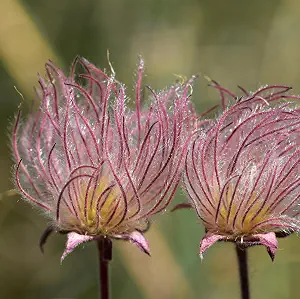 | Best Overall for Native Prairie Gardens | Plant Type: Native Perennial | Height: 12-18 inches | Foliage Height: 6 inches | VIEW LATEST PRICE | See Our Full Breakdown |
| 300 Prairie Blazing Star Heirloom Flower Seeds, Liatris Pycnostachya |  | Best for Pollinator Gardens and Tall Floral Displays | Type: Heirloom Flower Seeds | Plant Height: 48 inches | Flower Color: Pink-purple | VIEW LATEST PRICE | See Our Full Breakdown |
| 50+ Perennial Prairie Smoke Seeds for Planting – Non-GMO Wildflower Seeds |  | Best for Native Landscaping and Low-Maintenance Gardens | Type: Perennial Prairie Smoke Seeds | GMO: Non-GMO | Quantity: 50+ seeds | VIEW LATEST PRICE | See Our Full Breakdown |
| Mix Prairie Smoke Seeds for Planting – 100+ Geum Triflorum Seeds, Rare Native Perennial Wildflower, Drought Tolerant, Non-GMO Heirloom for Rock Garden & Naturalized Landscape |  | Best for Large-Scale Native and Drought-Resistant Projects | Seed Count: 100+ seeds | Plant Type: Perennial wildflower | Growth Zone: 3-8 | VIEW LATEST PRICE | See Our Full Breakdown |
| Everwilde Farms 2000 Prairie Sage Native Wildflower Seeds – Gold Vault Seed Packet |  | Best for Long-Term Storage and Native Prairie Restoration | Type: Native Wildflower Seeds | Quantity: 2000 seeds | Storage: Triple layer Mylar gold foil vault | VIEW LATEST PRICE | See Our Full Breakdown |
| Queen of The Prairie Seeds – 10 Seeds to Grow – Filipendula rubra – Rare and Hard to Find |  | Best for Rare and Endangered Prairie Plants | Quantity: 10 Seeds | Plant Type: Wildflower | Sunlight: Full Sun | VIEW LATEST PRICE | See Our Full Breakdown |
| Native Prairie Sunflower Seeds (Helianthus petiolaris) – 1 Pack |  | Best for Bright, Drought-Tolerant Prairie Blooms | Type: Sunflower Seeds | Plant Height: 2-4 feet | Bloom Time: July to October | VIEW LATEST PRICE | See Our Full Breakdown |
| Everwilde Farms 2000 Old Field Goldenrod Native Wildflower Seeds – Gold Vault Seed Packet |  | Best for Fall Bloom Support and Long-Term Storage | Type: Native Wildflower Seeds | Quantity: 2000 seeds | Packaging: Gold Vault Seed Packet | VIEW LATEST PRICE | See Our Full Breakdown |
| Mountain Valley Seed Co Wildflower Seed Bulk – Midwestern Wildflower Mix |  | Best for Diverse, Large-Scale Plantings | Varieties Included: Multiple including Coreopsis, Aster, Blue Flax, and more | Seeds Count: 40,000+ | Coverage: ~125 sq ft per ounce | VIEW LATEST PRICE | See Our Full Breakdown |
| Indiangrass Seeds for Planting, Sorghastrum nutans – 1 Pack |  | Best for Tallgrass Prairie Restoration and Erosion Control | Type: Indiangrass Seeds | Quantity: 1 Pack | Planting Zones: USDA zones 4-9 | VIEW LATEST PRICE | See Our Full Breakdown |
| Purple Prairie Clover Seeds for Planting – 1 Pack |  | Best for Prairie Restoration and Native Pollinators | Type: Native North American Prairie Clover | Seeds per Pack: 1 pack | Germination Rate: High | VIEW LATEST PRICE | See Our Full Breakdown |
| 10 Queen of the Prairie Pink Meadowsweet Flower Seeds |  | Best for Showy, Fragrant Flowers in Moist Gardens | Quantity: 10 seeds | Bloom Size: 5-8 inches | Bloom Time: June to July | VIEW LATEST PRICE | See Our Full Breakdown |
| Dense Blazing Star Seeds for Planting – Gayfeather Wildflower (1 Pack) |  | Best for Summer Blooms and Pollinator Support | Plant Type: Perennial | Bloom Color: Purple | Expected Blooming Period: Summer | VIEW LATEST PRICE | See Our Full Breakdown |
| Native Prairie Mix (2oz) Wildflower Seeds – Low-Maintenance, Pollinator-Friendly, Year-Round Blooms |  | Best for Diverse, Year-Round Color with Minimal Effort | Package Size: 2oz | Seed Type: Wildflower mix | Planting Conditions: Full sun to partial shade | VIEW LATEST PRICE | See Our Full Breakdown |
| prairie plant seed | Type |
|---|---|
| CarpetC Prairie Smoke Seeds fo | — |
| 300 Prairie Blazing Star Heirl | Heirloom Flower Seeds |
| 50+ Perennial Prairie Smoke Se | Perennial Prairie Smoke Seeds |
| Mix Prairie Smoke Seeds for Pl | — |
| Everwilde Farms 2000 Prairie S | Native Wildflower Seeds |
| Queen of The Prairie Seeds | — |
| Native Prairie Sunflower Seeds | Sunflower Seeds |
| Everwilde Farms 2000 Old Field | Native Wildflower Seeds |
| Mountain Valley Seed Co Wildfl | — |
| Indiangrass Seeds for Planting | Indiangrass Seeds |
| Purple Prairie Clover Seeds fo | Native North American Prairie Clover |
| 10 Queen of the Prairie Pink M | — |
| Dense Blazing Star Seeds for P | — |
| Native Prairie Mix | — |
More Details on Our Top Picks
CarpetC Prairie Smoke Seeds for Planting, Geum triflorum, Native Perennial with Pink Plumes
This prairie smoke seed pack earns its place as the best overall choice by combining striking visual appeal with adaptability to dry, rocky soils. Its feathery pink seed heads resemble drifting smoke, creating a captivating focal point in xeriscapes and native plantings. Compared with the Mix Prairie Smoke Seeds for Planting, this option offers a more manageable growth habit and a reliable return year after year, though it requires cold stratification and germinates slowly over 3-6 weeks. Its drought tolerance and low-maintenance nature make it ideal for gardeners seeking a resilient native perennial that enhances landscape biodiversity without high upkeep. However, patience is necessary during germination, and it spreads slowly from rhizomes. Overall, this seed is perfect for those wanting a distinctive, native addition to dry gardens, willing to wait for its full beauty to emerge.
Pros:- Unique feathery pink seed heads resemble drifting smoke
- Drought-tolerant and low-maintenance
- Returns year after year in suitable zones
- Ideal for xeriscaping and dry gardens
Cons:- Requires cold stratification for seed germination
- Slow spreading from rhizomes
Best for: Gardeners focused on xeriscaping, native plant enthusiasts, and rock garden aficionados
Not ideal for: Beginners seeking quick results or gardeners in humid, poorly drained soils
- Plant Type:Native Perennial
- Height:12-18 inches
- Foliage Height:6 inches
- Zones:4-9
- Soil:Well-drained, sandy or loamy
- Sunlight:Full sun to partial shade
- Growth Habit:Low-growing, spreads slowly via rhizomes
- Seeding:Self-seeds, requires cold stratification
Our verdict“This prairie smoke seed is best for those wanting a distinctive, native perennial in dry landscapes willing to wait for its slow but rewarding growth.”
300 Prairie Blazing Star Heirloom Flower Seeds, Liatris Pycnostachya
This heirloom Liatris Pycnostachya seed packet is ideal for gardeners aiming to attract a variety of pollinators. Its tall, 48-inch flower spikes with pink-purple blooms provide vibrant vertical interest. Compared with the Mix Prairie Smoke Seeds, this pick offers a splash of color and movement that draws bees, butterflies, and hummingbirds. While it demands a longer germination process—3-4 weeks after about 60 days of cold stratification—its blooms appear in the second year, making patience essential. Its adaptability to moist, well-drained soils and resistance to deer make it a versatile choice. However, the need for stratification and the two-year wait for flowers mean it’s better suited for committed native plant growers or wildlife gardens, rather than quick-flower needs.
Pros:- Attracts bees, butterflies, and hummingbirds
- Tall, striking pink-purple flower spikes
- Suitable for cut flowers and floral arrangements
- Deer resistant and adaptable to moist, well-drained soils
Cons:- Requires cold stratification for successful germination
- Germination may take 3-4 weeks, patience needed
- First blooms in the second year
Best for: Wildlife gardeners, pollinator enthusiasts, and those planting for year-round visual interest
Not ideal for: Gardeners seeking quick blooms or those in zones outside 3-9 where moisture levels are inconsistent
- Type:Heirloom Flower Seeds
- Plant Height:48 inches
- Flower Color:Pink-purple
- Germination Time:3-4 weeks after stratification
- Stratification Period:About 60 days
- Zone Compatibility:3-9
- Seed Count:300 seeds
Our verdict“This seed is a strong choice for dedicated native and pollinator gardens, accepting a longer wait for its stunning floral display.”
50+ Perennial Prairie Smoke Seeds for Planting – Non-GMO Wildflower Seeds
This pack offers an affordable way to introduce prairie smoke into native landscapes and rock gardens. Its bell-shaped flowers and fluffy seed heads create a delicate, smoke-like effect that complements naturalized settings. Compared with the Mix Prairie Smoke Seeds, this smaller pack is ideal for smaller projects or patchwork plantings, though it demands direct sowing in early seasons and may require light exposure for germination. Its low-maintenance profile and adaptability to well-drained soils make it suitable for gardeners seeking native plants with minimal fuss. Nonetheless, slow establishment and reliance on specific soil conditions can challenge impatient growers. It’s best suited for experienced gardeners comfortable with direct sowing and patience.
Pros:- Unique bell-shaped flowers with fluffy seed heads
- Low maintenance once established
- Suitable for native landscapes and rock gardens
- Resistant to deer and rabbits
Cons:- Plants spread slowly, patience required
- Limited to certain USDA zones (3-8)
- Requires full sun for best growth
Best for: Native landscape designers, experienced gardeners, and those with well-drained soil setups
Not ideal for: Beginners or gardeners in poorly drained or heavily shaded areas
- Type:Perennial Prairie Smoke Seeds
- GMO:Non-GMO
- Quantity:50+ seeds
- Planting Season:Late fall or early spring
- Soil Requirements:Well-drained soil
Our verdict“This seed pack fits well for seasoned gardeners aiming to add subtle native charm with minimal ongoing effort, accepting a slow start.”
Mix Prairie Smoke Seeds for Planting – 100+ Geum Triflorum Seeds, Rare Native Perennial Wildflower, Drought Tolerant, Non-GMO Heirloom for Rock Garden & Naturalized Landscape
This extensive seed mix provides over 100 Geum triflorum seeds, making it ideal for larger native plantings and xeriscapes. Its drought-tolerant, low-maintenance profile and resistance to deer and rabbits make it a reliable choice for rocky, poor soils. The pink bell-shaped flowers and feathery seed plumes add seasonal interest and erosion control, especially in rock gardens or prairie borders. Compared with the CarpetC Prairie Smoke Seeds, this option offers a higher seed count and broader coverage, though its slow spread can require patience. Suitable for USDA zones 3-8, it’s best for experienced gardeners comfortable with slow establishment and full sun conditions. Its multi-season ornamental appeal makes it a versatile native wildflower for natural landscapes.
Pros:- Drought tolerant and low-maintenance
- Unique two-season ornamental display
- Resistant to deer and rabbits
- Suitable for poor soils and rocky landscapes
Cons:- Plants spread slowly and may require patience
- Limited to USDA zones 3-8
- Needs full sun for best results
Best for: Large-scale native plantings, xeriscaping, and experienced landscapers
Not ideal for: Beginners or those seeking quick coverage in colder zones or shady sites
- Seed Count:100+ seeds
- Plant Type:Perennial wildflower
- Growth Zone:3-8
- Soil Preference:Well-drained, rocky, sandy
- Drought Tolerance:Yes
- GMO Status:Non-GMO
Our verdict“This seed mix is well-suited for large native landscapes where patience is acceptable for slow but steady establishment and growth.”
Everwilde Farms 2000 Prairie Sage Native Wildflower Seeds – Gold Vault Seed Packet
This seed packet is designed for long-term native prairie restoration projects and seed banks, featuring 2000 high-quality prairie sage seeds stored in a durable, resealable gold foil vault. Its packaging enhances longevity, making it suitable for emergency seed vaults or future plantings. Compared with the Everwilde Farms Old Field Goldenrod, this pack emphasizes storage and future use, although it may require specific soil and sunlight conditions for optimal germination. The detailed instructions and QR code support successful planting, but the large seed quantity might be excessive for small gardens. It’s best for native plant enthusiasts, conservation projects, or those creating seed reserves for future planting, rather than immediate garden decoration.
Pros:- Long-term storage with durable gold foil packaging
- Includes detailed planting instructions and online info
- Ideal for native prairie planting and seed reserves
- Resealable, reusable packaging
Cons:- Seeds may require specific soil and sunlight conditions
- Limited growth information in the description
- Not tailored for immediate ornamental use
Best for: Native prairie restorers, conservationists, and seed collectors
Not ideal for: Casual gardeners seeking quick results or planting in unsuitable soil conditions
- Type:Native Wildflower Seeds
- Quantity:2000 seeds
- Storage:Triple layer Mylar gold foil vault
- Usage:Late summer to early fall
- Sunlight:Full Sun
- USDA Hardiness Zone:3-9
Our verdict“This seed pack is best suited for long-term native prairie restoration projects and seed banking, rather than quick garden displays.”
Queen of The Prairie Seeds – 10 Seeds to Grow – Filipendula rubra – Rare and Hard to Find
This pick stands out for offering a rare, endangered native species with striking pink flower clusters and lush lobed leaves. Unlike the more common prairie sunflowers, Queen of The Prairie can create a dramatic, pollinator-friendly display in moist, full-sun areas. Its seeds are tiny and require stratification, which can slow germination, and the plant’s semi-aggressive roots might challenge small gardens. Compared with the Midwestern Wildflower Mix, this species adds unique visual appeal but demands patience and space. It’s ideal for gardeners committed to conservation or natural meadow planting who value rarity over quick results.
Pros:- Supports pollinators with attractive pink blooms
- Adds a rare native species to the landscape
- Suitable for moist, naturalized areas
Cons:- Seeds are very small and require stratification
- Germination is slow and may be difficult
- Root systems can spread aggressively in confined spaces
Best for: Gardeners focused on native, endangered plants and supporting pollinators in naturalized settings
Not ideal for: Casual gardeners seeking fast-growing, low-maintenance prairie plants for small or highly manicured gardens
- Quantity:10 Seeds
- Plant Type:Wildflower
- Sunlight:Full Sun
- Soil Preference:Moist to wet soils
- Height:Up to 5 feet
- Germination:Slow and may be difficult
Our verdict“This seed kit is perfect for conservation-minded gardeners willing to wait for a striking, rare prairie species.”
Native Prairie Sunflower Seeds (Helianthus petiolaris) – 1 Pack
Compared with the less common Queen of The Prairie, the Native Prairie Sunflower offers vibrant yellow blooms from mid-summer to fall, thriving in poor soils and full sun. Its high germination rate makes it a more reliable choice for quick results, especially for those wanting a robust, low-maintenance addition to prairie or border plantings. However, it can spread aggressively in ideal conditions, which may be a concern for small gardens or container plantings. This seed excels in supporting native pollinators and is perfect for prairie restoration projects needing a cheerful, hardy flower that withstands drought.
Pros:- Bright yellow blooms support pollinators
- Highly drought-tolerant and low-maintenance
- High germination rate ensures quick establishment
Cons:- May spread aggressively, requiring management
- Requires full sun and poor soils to thrive
Best for: Homeowners restoring native prairie landscapes or planting low-maintenance, drought-tolerant gardens
Not ideal for: Gardeners seeking slow-establishing plants or those with small, contained garden spaces
- Type:Sunflower Seeds
- Plant Height:2-4 feet
- Bloom Time:July to October
- Germination Rate:High
- Pollination:Open-pollinated
- Seed Type:Heirloom, non-GMO
Our verdict“This sunflower seed is ideal for those wanting fast, cheerful blooms in sunny, dry conditions while tolerating some spread.”
Everwilde Farms 2000 Old Field Goldenrod Native Wildflower Seeds – Gold Vault Seed Packet
Compared to the native prairie species like Indiangrass, Old Field Goldenrod offers a reliable, fall-blooming native that supports honeybees and provides medicinal benefits. Its seeds are packaged in durable, resealable pouches designed for long storage, making it a practical choice for planners and native plant enthusiasts. While fall planting is recommended, it may not produce immediate results, and germination rates are not explicitly detailed. It shines in native prairie mixes or restoration projects where long-term support for pollinators and native ecosystems is a priority.
Pros:- Long-lasting seed packaging with high storage stability
- Supports pollinators and native ecosystems
- Suitable for planting in poor, dry soils
Cons:- Requires fall planting for best germination
- Limited info on germination rates
Best for: Native plant gardeners seeking long-term storage and fall planting options for prairie restoration
Not ideal for: Gardeners wanting fast results or planting in spring without fall prep
- Type:Native Wildflower Seeds
- Quantity:2000 seeds
- Packaging:Gold Vault Seed Packet
- Storage Life:3X longer than paper or plastic
- Planting Period:Fall
- Sunlight Exposure:Full Sun
Our verdict“This seed is best suited for native plant advocates prioritizing long-term storage and fall planting strategies.”
Mountain Valley Seed Co Wildflower Seed Bulk – Midwestern Wildflower Mix
This extensive mix, including 8 varieties like Purple Coneflower and Black Eyed Susan, surpasses single-species options like Queen of The Prairie in diversity and coverage, making it ideal for cultivating a vibrant prairie or large garden. Its 40,000+ seeds can blanket approximately 125 square feet, supporting pollinators with a variety of blooms over a long season. The broad mix means less control over specific plants, and germination can take 10-30 days, requiring patience. It’s well-suited for projects aiming for high impact and biodiversity but less so for detailed native plant conservation efforts.
Pros:- Diverse mix of 8 flower varieties
- High seed quantity covers large areas
- Promotes pollinator health and biodiversity
Cons:- Germination may take 10-30 days
- Less control over specific plant species in the mix
Best for: Large-scale prairie restorations, farm plantings, or garden beds needing a diversity of wildflowers
Not ideal for: Small gardens or gardeners wanting specific native species with strict control over plant types
- Varieties Included:Multiple including Coreopsis, Aster, Blue Flax, and more
- Seeds Count:40,000+
- Coverage:~125 sq ft per ounce
- GMO Free:Yes
- Planting Time:Spring, Fall
- Sunlight:Full Sun
Our verdict“This bulk wildflower mix offers a vibrant, diverse display for large planting areas but requires patience for germination.”
Indiangrass Seeds for Planting, Sorghastrum nutans – 1 Pack
Compared to the more colorful Queen of The Prairie, Indiangrass offers a stately, tallgrass habitat with striking golden bronze plumes, supporting native wildlife and ideal for large prairie projects. Its high germination rate and low water needs make it a straightforward choice for native restoration or xeriscaping. However, it can self-seed aggressively, which might lead to invasiveness in smaller or managed gardens. This grass works best where a natural, open landscape is desired, and less so in confined, manicured spaces where control over spread is necessary.
Pros:- Supports pollinators and native fauna
- Drought-tolerant with low water needs
- Creates authentic tallgrass prairie habitat
Cons:- Requires full sun
- Self-seeds readily, potential invasiveness in some settings
Best for: Native prairie restorations, erosion control, and low-maintenance native gardens
Not ideal for: Small, heavily landscaped gardens or gardeners concerned about invasive tendencies
- Type:Indiangrass Seeds
- Quantity:1 Pack
- Planting Zones:USDA zones 4-9
- Plant Height:6 feet
- Color:Golden bronze plumes
- Fall Color:Orange to purple
Our verdict“This seed is perfect for large prairie projects or native landscaping where natural growth and habitat support are priorities.”
Purple Prairie Clover Seeds for Planting – 1 Pack
This seed pack stands out for its native North American heritage and high germination rate, making it ideal for prairie restorations and xeriscaping projects that prioritize local ecology. Compared to the Native Prairie Mix, it offers a more targeted approach with a focus on deep purple blooms and drought tolerance, though it may self-seed aggressively if not managed. Its resilience to deer and drought conditions makes it a reliable choice for sustainable landscapes. However, it requires full sun and may spread beyond intended areas, which could be a concern for gardeners seeking controlled growth. Overall, this pick is best suited for those wanting to support native ecosystems while maintaining low water needs.
Pros:- Supports native pollinators and beneficial insects
- Drought-tolerant and deer resistant
- Suitable for prairie restoration and xeriscaping
Cons:- Requires full sun for optimal growth
- May self-seed aggressively in some areas
Best for: Gardeners restoring native prairies or creating drought-tolerant landscapes that emphasize pollinator support
Not ideal for: Urban gardeners with limited sun exposure or those preferring plants that require minimal self-seeding control
- Type:Native North American Prairie Clover
- Seeds per Pack:1 pack
- Germination Rate:High
- Zones:3-8
- Bloom Period:June to August
- Height:1-3 feet
- Sunlight:Full sun
- Features:Drought-tolerant, deer resistant, self-seeding
Our verdict“This seed is perfect for eco-conscious gardeners focused on native prairie habitat restoration and pollinator support.”
10 Queen of the Prairie Pink Meadowsweet Flower Seeds
This selection excels at producing large, fragrant pink blooms that draw bees and butterflies, making it ideal for gardeners seeking lush, pollinator-friendly displays. While Dense Blazing Star offers striking purple flowers, Queen of the Prairie emphasizes fragrance and size, though it demands consistently moist soil and full sun, which limits its use in drier or shadier sites. Its height of up to 5 feet makes it suitable for back borders but possibly overwhelming for small gardens. This makes it a superior choice for those planting in moist, sunny spots where show-stopping flowers are desired.
Pros:- Large, fragrant pink flowers that attract pollinators
- Native and threatened wildflower species
- Suitable for a wide range of zones (3-8)
Cons:- Requires moist soil and full sun
- Planting may need fall sowing or cold stratification
- Tall growth may be unsuitable for small spaces
Best for: Gardeners wanting large, fragrant blooms that attract pollinators in moist, sunny gardens
Not ideal for: Drought-prone or shady gardens where moisture or full sun isn’t available
- Quantity:10 seeds
- Bloom Size:5-8 inches
- Bloom Time:June to July
- Plant Height:48-60 inches
- Hardiness Zones:3-8
- Soil:Moist
- Sunlight:Full sun
- Spacing:18-24 inches
Our verdict“This seed mix is ideal for gardeners seeking showy, fragrant flowers in moist, sunny environments with plenty of space.”
Dense Blazing Star Seeds for Planting – Gayfeather Wildflower (1 Pack)
This heirloom, non-GMO Liatris spicata seeds produce stunning purple flowers from July to September, making them a favorite for mid-summer garden color. Compared to the Native Prairie Clover, which supports pollinators through its drought tolerance, the Blazing Star offers a more dramatic floral display that attracts hummingbirds and monarchs. Its tall stature, reaching up to 6 feet, suits larger beds or prairie restorations but may require staking, especially in windy locations. The need for full sun and regular watering could be a drawback for dry or shaded gardens. This seed is best for those wanting a show-stopping summer perennial with high pollinator appeal.
Pros:- Supports native pollinators like bees, monarchs, and hummingbirds
- Produces vibrant purple blooms mid-summer
- Drought-tolerant and low-maintenance once established
Cons:- Requires full sun and regular watering
- May grow up to 6 feet tall, needing staking in windy areas
Best for: Gardeners seeking a tall, vibrant perennial that attracts a variety of pollinators during summer
Not ideal for: Low-maintenance or drought-prone gardens without the capacity for regular watering or staking
- Plant Type:Perennial
- Bloom Color:Purple
- Expected Blooming Period:Summer
- Expected Plant Height:6 feet
- Sunlight Exposure:Full Sun
- Soil Type:Loam
- Soil Moisture Needs:Regular Watering
- Color:Purple
Our verdict“This pick is perfect for gardeners wanting eye-catching summer blooms that support a broad range of pollinators.”
Native Prairie Mix (2oz) Wildflower Seeds – Low-Maintenance, Pollinator-Friendly, Year-Round Blooms
This native prairie seed mix shines in providing a continuous display of blooms across seasons, supporting pollinators with minimal maintenance. While it lacks the singular focus of the Purple Prairie Clover or the boldness of the Gayfeather, its diversity of species offers a resilient, low-input solution for sustainable landscapes. However, because it contains a mix of annuals and perennials, results depend heavily on proper planting and patience for full establishment. The inclusion of both water-efficient and low-maintenance plants makes it suitable for those wanting a natural, sustainable garden that requires little ongoing effort.
Pros:- Diverse wildflower mix with continuous blooms
- Attracts beneficial pollinators like bees and butterflies
- Low-maintenance and water-efficient for sustainable gardening
- Suitable for various planting environments
Cons:- May require patience for full growth
- Results depend on proper planting conditions
- Annuals may need replanting each year
Best for: Eco-conscious gardeners seeking year-round blooms with minimal effort and diverse plantings
Not ideal for: Gardeners wanting uniform, showy displays or quick results, as it may take time to fully establish
- Package Size:2oz
- Seed Type:Wildflower mix
- Planting Conditions:Full sun to partial shade
- Features:Resealable pouch, attracts pollinators, low-maintenance, water-efficient
Our verdict“This seed mix is best for those prioritizing low-maintenance, pollinator-friendly landscapes with year-round interest, willing to wait for full development.”
How We Picked
These prairie plant seeds were selected based on a combination of factors including seed purity, germination rate, native status, drought tolerance, and customer reviews. We prioritized seeds from reputable suppliers with high-quality packaging and clear planting instructions. The ranking reflects a balance between performance, ease of planting, ecological value, and cost. Our goal was to identify options suitable for both novice and experienced gardeners interested in establishing sustainable native prairie landscapes.| prairie plant seed | Type |
|---|---|
| CarpetC Prairie Smoke Seeds fo | — |
| 300 Prairie Blazing Star Heirl | Heirloom Flower Seeds |
| 50+ Perennial Prairie Smoke Se | Perennial Prairie Smoke Seeds |
| Mix Prairie Smoke Seeds for Pl | — |
| Everwilde Farms 2000 Prairie S | Native Wildflower Seeds |
| Queen of The Prairie Seeds | — |
| Native Prairie Sunflower Seeds | Sunflower Seeds |
| Everwilde Farms 2000 Old Field | Native Wildflower Seeds |
| Mountain Valley Seed Co Wildfl | — |
| Indiangrass Seeds for Planting | Indiangrass Seeds |
| Purple Prairie Clover Seeds fo | Native North American Prairie Clover |
| 10 Queen of the Prairie Pink M | — |
| Dense Blazing Star Seeds for P | — |
| Native Prairie Mix | — |
Factors to Consider When Choosing Best Prairie Plant Seeds
Choosing the best prairie plant seeds involves understanding your garden’s specific conditions and your planting goals. It’s important to consider factors like climate adaptability, bloom time, and maintenance needs. A well-chosen seed can thrive for years, creating a vibrant, pollinator-friendly landscape, but selecting the wrong type might lead to disappointment or wasted effort. Below are key considerations to help you make an informed purchase.Climate Compatibility and Soil Conditions
Ensure the seeds you choose are suited to your local climate and soil type. Native prairie species tend to perform best in conditions similar to their natural habitats. For drier, rocky soils, drought-tolerant options like Gayfeather or Indian grass are ideal, while richer soils might support a broader range of wildflowers. Matching seed choices to your site reduces watering needs and increases success rates, avoiding the common mistake of planting species that struggle in your environment.
Bloom Season and Aesthetic Goals
Consider when and how you want your landscape to bloom. Some seeds, like Prairie Sunflower or Queen of the Prairie, bloom in mid to late summer, providing long-lasting color. Others, such as Prairie Smoke, bloom early and add texture and interest even before flowering. Planning for staggered bloom times ensures a continuous display and enhances ecological benefits by attracting pollinators throughout the season.
Seed Quality and Purity
High-quality seeds with high germination rates and purity lead to more predictable results. Look for seeds that specify germination percentages and come from reputable suppliers. Cheaper, bulk seeds may contain fillers or lower purity, resulting in poor stands and wasted effort. Investing in certified native seed lots often yields more consistent, vibrant plantings that meet ecological and aesthetic goals.
Ease of Establishment and Maintenance
Some prairie seeds require stratification or specific planting techniques, which can complicate establishment for beginners. Mixes that include a variety of species with similar needs can simplify planting. Consider your willingness to perform initial site prep or ongoing maintenance—seeds that establish quickly and are drought-tolerant can save time and resources in the long run, but may demand more initial planning.
Cost and Packaging Size
Price varies significantly based on seed quality, species, and packaging. Larger quantities tend to be more economical but may be overwhelming for small projects. Carefully evaluate the size and number of seeds included to match your landscape size and planting plans. Remember, quality often correlates with price—spending more on reputable, high-germination seeds can produce better results and save you money over time.
Frequently Asked Questions
How do I ensure prairie seeds germinate successfully?
Successful germination depends on selecting seeds suited to your climate and soil, preparing the soil properly, and following specific planting instructions. Many prairie seeds benefit from light scarification or stratification to mimic natural winter conditions. Consistent watering during establishment, especially in dry periods, increases germination rates. Patience is key, as some native species may take longer to sprout but will reward your efforts with resilient growth.
Can I mix different prairie seeds in one planting area?
Yes, mixing compatible native prairie seeds can create a diverse, thriving landscape that attracts pollinators and supports local ecosystems. However, it’s important to select species with similar growing conditions and bloom times to avoid competition. Mixing seeds with vastly different maturation periods may result in uneven displays. Proper planning ensures the mix supports a balanced, sustainable prairie environment.
Are native prairie seeds suitable for small gardens or urban landscapes?
Absolutely. Many native prairie seeds are well-suited to small-scale planting and can adapt to urban gardens, especially in well-drained, sunny spots. Choose smaller or less aggressive species to prevent overcrowding and maintenance issues. Container planting is also possible with native seeds, provided the soil and watering needs are met. Native prairie plants often require less water and fertilizer, making them excellent choices for sustainable urban landscaping.
What are the main benefits of planting native prairie seeds?
Planting native prairie seeds supports local biodiversity by providing habitat and food for pollinators, birds, and beneficial insects. These plants tend to be more drought-tolerant and require less maintenance than non-native species, reducing water use and chemical input. Additionally, native prairie plants help preserve regional ecosystems and can improve soil health over time. Their resilience and ecological value make them a smart investment for sustainable landscapes.
When is the best time to plant prairie seeds?
The optimal planting window for prairie seeds is typically in early spring or fall, depending on your climate zone. Fall planting allows natural stratification, mimicking winter conditions that native seeds are adapted to. Spring planting gives seeds a head start during the growing season but may require additional soil preparation or watering. Following local guidelines and seed-specific instructions ensures the best chance of successful establishment.
Conclusion
For the average gardener seeking an all-around, reliable option, CarpetC Prairie Smoke Seeds offers a charming, native addition with unique pink plumes. Those prioritizing vibrant, pollinator-attracting blooms might prefer 300 Prairie Blazing Star Seeds for their showy flowers and high germination success. Beginners will appreciate mixes like Native Prairie Mix that simplify planting, while experienced growers aiming for a premium landscape may invest in high-purity, certified seeds like Everwilde Farms Native Wildflower Seeds. Budget-conscious buyers should look for bulk options that balance cost and quality. Ultimately, your choice depends on your local conditions, aesthetic goals, and experience level, but each of these selections offers something valuable for creating a stunning prairie landscape in 2026.