The best native shrub guide for gardens depends on where you live and how much help you need with plant selection and care. I rank The Northeast Native Plant Primer first for its focused, garden-ready approach, while Native Plants of the Southeast stands out for breadth and Midwestern Native Shrubs and Trees for region-specific alternatives. These books differ in geographic coverage, plant scope, and how directly they address shrubs, so a broad reference may be less useful than a focused regional guide. Read on for the full breakdown and help matching a book to your garden and location.

Get garden gear delivered free — and shop member deals
- Fast, free delivery on millions of items
- Access to Prime Big Deal Days deals on October 6–7
- Prime Video, Amazon Music and more included
Complete the kit


Key Takeaways
- Regional focus matters more than sheer plant count: the Northeast and Southeast primers offer a more targeted starting point than broad North American references.
- Native Plants of the Southeast is the broadest named species reference in this lineup, but its scope may be more than a shrub-focused gardener needs.
- Midwestern Native Shrubs and Trees is the clearest fit for gardeners seeking regional substitutes for nonnative woody plants.
- Some picks are broader landscape books, not shrub manuals: Trees, Shrubs & Hedges for Your Home covers selection and care across plant types.
- Florida’s Best Fruiting Plants serves a distinct goal—fruit production—and includes exotic plants, so it is not a pure native-plant reference.
| The Northeast Native Plant Primer: 235 Plants for an Earth-Friendly Garden |  | Best for Northeast Gardeners | Plant count: 235 plants | Region: Northeast | Focus: Native plants and earth-friendly gardening | VIEW LATEST PRICE | See Our Full Breakdown |
| The Southeast Native Plant Primer: 225 Plants for an Earth-Friendly Garden |  | Best for a Straightforward Southeast Starting Point | Plant count: 225 plants | Region: Southeastern United States | Focus: Native plants and earth-friendly gardening | VIEW LATEST PRICE | See Our Full Breakdown |
| Native Plants of the Southeast: A Comprehensive Guide to the Best 460 Species for the Garden |  | Best for Broad Southeast Plant Selection | Species covered: 460 | Region: Southeastern United States | Use: Garden plant selection | VIEW LATEST PRICE | See Our Full Breakdown |
| Trees, Shrubs & Hedges for Your Home, Fourth Edition: Secrets for Selection and Care |  | Best for Shrub Selection and Landscape Care | Edition: Fourth Edition | Plant profiles: Over 1,000 native plants | Plant types: Trees, shrubs, and hedges | VIEW LATEST PRICE | See Our Full Breakdown |
| Native Trees, Shrubs, & Vines: A Guide to Using, Growing, and Propagating North American Woody Plants | 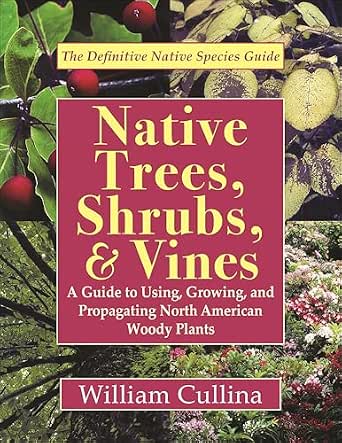 | Best for Growing and Propagating Woody Plants | Geographic scope: North America | Plant types: Trees, shrubs, and vines | Topics: Using, growing, and propagating | VIEW LATEST PRICE | See Our Full Breakdown |
| Best Native Plants for Southern Gardens: A Handbook for Gardeners, Homeowners, and Professionals |  | Best for Practical Southern-Garden Guidance | Format: Handbook | Region: Southern gardens | Subject: Native plants | VIEW LATEST PRICE | See Our Full Breakdown |
| Midwestern Native Shrubs and Trees: Gardening Alternatives to Nonnative Species: An Illustrated Guide |  | Best for Midwest Shrub-and-Tree Replacements | Format: Illustrated guide | Region: Midwest | Plant types: Shrubs and trees | VIEW LATEST PRICE | See Our Full Breakdown |
| Gardening with Native Plants of the South |  | Best for a General Southern Native-Garden Introduction | Format: Gardening book | Region: Southern United States | Subject: Growing native plants | VIEW LATEST PRICE | See Our Full Breakdown |
| Florida’s Best Fruiting Plants: Native and Exotic Trees, Shrubs, and Vines |  | Best for Florida Edible-Landscape Browsing | Format: Plant guide | Region: Florida | Plant types: Trees, shrubs, and vines | VIEW LATEST PRICE | See Our Full Breakdown |
| Essential Native Trees and Shrubs for the Eastern United States: The Guide to Creating a Sustainable Landscape |  | Best for Sustainable Eastern Landscapes | Format: Guide | Region: Eastern United States | Plant types: Trees and shrubs | VIEW LATEST PRICE | See Our Full Breakdown |
| native shrubs for garden | Format | ASIN | Region | Plant types |
|---|---|---|---|---|
| The Northeast Native Plant Pri | Book | 1643260464 | Northeast | — |
| The Southeast Native Plant Pri | Book | 1604699914 | Southeastern United States | — |
| Native Plants of the Southeast | Book | 1604693231 | Southeastern United States | — |
| Trees | Book | 1580115713 | — | Trees, shrubs, and hedges |
| Native Trees | Book | B0F81CJ4DK | — | Trees, shrubs, and vines |
| Best Native Plants for Souther | Handbook | 0813034582 | Southern gardens | — |
| Midwestern Native Shrubs and T | Illustrated guide | 0821421646 | Midwest | Shrubs and trees |
| Gardening with Native Plants o | Gardening book | 149303880X | Southern United States | — |
| Florida’s Best Fruiting Plants | Plant guide | 1683342747 | Florida | Trees, shrubs, and vines |
| Essential Native Trees and Shr | Guide | 162354503X | Eastern United States | Trees and shrubs |
More Details on Our Top Picks
The Northeast Native Plant Primer: 235 Plants for an Earth-Friendly Garden
For a garden in the Northeast, this primer’s strongest advantage is its regional focus: its 235 native plants are framed around earth-friendly gardening in that part of the country. That makes it a more targeted starting point than Native Plants of the Southeast, whose extensive species list serves a different climate and region. The title describes a broad native-plant guide, though the available details do not establish how many entries are shrubs or how much planting and care advice each profile provides. I’d choose it to develop a regionally grounded plant shortlist, then verify individual shrubs’ mature size and site needs before buying. Its main tradeoff is scope: it covers native plants generally, rather than promising a shrub-only reference.
Pros:- Covers 235 plants, giving readers a broad selection to explore
- Focuses on native plants for the Northeast
- Connects plant choice with earth-friendly gardening
- Useful as a regional starting point for building a garden shortlist
Cons:- The available description does not specify how many of the plants are shrubs
- The product details do not confirm the depth of care or propagation guidance
- Its regional focus limits relevance for gardeners elsewhere
Best for: Northeast homeowners who want a regional native-plant reference before choosing shrubs for an earth-friendly garden
Not ideal for: Gardeners outside the Northeast or buyers seeking a shrub-only manual with confirmed detailed cultivation instructions
- Plant count:235 plants
- Region:Northeast
- Focus:Native plants and earth-friendly gardening
- Format:Book
- Product type:Regional native-plant primer
- ASIN:1643260464
Our verdict“Choose this primer if your garden is in the Northeast and you want a broad native-plant starting point rather than a shrub-specific handbook.”
The Southeast Native Plant Primer: 225 Plants for an Earth-Friendly Garden
This primer is aimed squarely at gardeners who want Southeast-native choices for an earth-friendly garden, with 225 plants in its stated coverage. Compared with Native Plants of the Southeast, which lists 460 species, it offers a narrower field of options; that may make it a more approachable first reference, though the supplied details do not confirm how the books differ in layout or level of instruction. The regional focus matters for shrub selection because a plant suited to one area may not fit another’s conditions. I’d use this book to identify candidates, while checking whether its profiles cover shrub size, growing conditions, and care. Its limitation is clear: the product information gives no further detail about those specifics.
Pros:- Covers 225 native plants
- Targets gardening in the southeastern United States
- Emphasizes earth-friendly garden planning
- A more limited stated selection than the 460 species in Native Plants of the Southeast
Cons:- The available product information does not identify how many entries are shrubs
- No details are provided about profile content or cultivation guidance
- The regional focus is less useful outside the Southeast
Best for: Southeast gardeners who want a manageable regional list of native plants to guide early shrub choices
Not ideal for: Experienced plant selectors who want the widest stated species range or confirmed, detailed shrub-care instructions
- Plant count:225 plants
- Region:Southeastern United States
- Focus:Native plants and earth-friendly gardening
- Format:Book
- Product type:Regional native-plant primer
- ASIN:1604699914
Our verdict“Pick this primer for a region-specific Southeast overview, but choose Native Plants of the Southeast if breadth is your priority.”
Native Plants of the Southeast: A Comprehensive Guide to the Best 460 Species for the Garden
With 460 Southeastern species listed, this is the broadest region-specific option in this batch and the clearest pick for gardeners who want many candidates before settling on shrubs. Its stated range is larger than the 225 plants in The Southeast Native Plant Primer, giving it an advantage in breadth, though the available description does not show whether that extra scope comes with more detailed guidance. The title positions it as a garden guide, but the product data do not say how many species are shrubs or describe their care requirements. I’d treat it as a regional selection reference, not assume it replaces a focused shrub manual. Its chief tradeoff is that the supplied information leaves the depth and usability of the entries uncertain.
Pros:- Lists 460 species for garden use
- Focuses on native plants of the southeastern United States
- Offers a broader stated selection than The Southeast Native Plant Primer
- May help gardeners compare a wider range of regional planting candidates
Cons:- The supplied details do not specify how many species are shrubs
- No further description confirms the depth of cultivation advice
- Its wider species count may be unnecessary for readers seeking a short, practical shortlist
Best for: Southeast gardeners and landscape planners who want the broadest stated selection of native species in this group
Not ideal for: Readers who need confirmed shrub-by-shrub care instructions or a concise guide with a clearly stated smaller scope
- Species covered:460
- Region:Southeastern United States
- Use:Garden plant selection
- Plant focus:Native species
- Format:Book
- ASIN:1604693231
Our verdict“Choose this guide when breadth across Southeastern native species matters more than confirmed shrub-specific instruction.”
Trees, Shrubs & Hedges for Your Home, Fourth Edition: Secrets for Selection and Care
This is the most directly practical fit for readers choosing shrubs for a home landscape: it addresses selection and care across trees, shrubs, and hedges, with profiles of more than 1,000 native plants. That scope makes it a stronger match for comparing woody plants in a designed garden than The Northeast Native Plant Primer, which covers native plants broadly and is region-specific. The tradeoff is that this is not a shrub-only book, and the supplied description does not identify how many profiles are shrubs or which regions they suit. Its broad native-plant coverage may help when a hedge, screen, or mixed planting is part of the plan, but buyers seeking a single-region native guide may prefer a geographically focused primer.
Pros:- Covers selection and care for home landscapes
- Includes profiles of more than 1,000 native plants
- Addresses shrubs and hedges alongside trees
- Useful for comparing several kinds of woody planting in one book
Cons:- The broad coverage is not limited to shrubs
- The supplied details do not give a regional breakdown of native plants
- The number of shrub profiles is not specified
Best for: Home gardeners planning shrubs, hedges, or mixed woody plantings who want selection and care guidance in one reference
Not ideal for: Readers who need a guide limited to native shrubs in one region or a confirmed breakdown of shrub species by location
- Edition:Fourth Edition
- Plant profiles:Over 1,000 native plants
- Plant types:Trees, shrubs, and hedges
- Focus:Selection and care
- Setting:Home landscapes
- Format:Book
- ASIN:1580115713
Our verdict“Choose this book for a broad woody-plant reference that combines shrub selection with landscape care, rather than for a region-specific shrub list.”
Native Trees, Shrubs, & Vines: A Guide to Using, Growing, and Propagating North American Woody Plants
This guide earns a distinct place for its focus on using, growing, and propagating North American native woody plants. That makes it a better fit for gardeners who want to move beyond choosing a shrub and learn about raising or multiplying woody plants; Trees, Shrubs & Hedges for Your Home is the more clearly stated choice for home-landscape selection and care across a large set of profiles. The title includes shrubs alongside trees and vines, so it is not a shrub-only reference. The product data provide no plant count, regional breakdown within North America, or further detail about its methods. I’d choose it for its stated cultivation and propagation emphasis, while recognizing that the available information makes it harder to judge how specific its shrub advice is.
Pros:- Covers native trees, shrubs, and vines
- Explicitly addresses growing and propagating woody plants
- Focuses on North American natives
- Pairs plant use with cultivation topics
Cons:- No plant or species count is provided
- The product data do not give a regional breakdown within North America
- The scope includes trees and vines, not shrubs alone
Best for: Gardeners interested in cultivating and propagating North American native shrubs and other woody plants
Not ideal for: Buyers seeking a regional shrub list, a stated species count, or a reference whose profile detail can be confirmed from the available product information
- Geographic scope:North America
- Plant types:Trees, shrubs, and vines
- Topics:Using, growing, and propagating
- Plant category:Native woody plants
- Format:Book
- ASIN:B0F81CJ4DK
Our verdict“Pick this guide if cultivation and propagation matter as much as choosing native shrubs, and skip it if you need a clearly quantified regional shortlist.”
Best Native Plants for Southern Gardens: A Handbook for Gardeners, Homeowners, and Professionals
I’d choose this handbook when the main challenge is planning a native garden for the South, rather than finding a single shrub recommendation. Its stated audience spans gardeners, homeowners, and professionals, and its coverage of plant selection, planting, and maintenance gives it a broader planning role than Midwestern Native Shrubs and Trees, which is focused on regional alternatives to nonnative woody plants. That breadth may help readers connect shrub choices to a workable landscape, but the supplied description does not identify particular shrub species or provide planting calendars. Compared with Gardening with Native Plants of the South, this title signals more explicit attention to practical maintenance. I’d rank it for its usable regional scope, while noting that buyers seeking a species-by-species shrub shortlist may need a more focused reference.
Pros:- Focuses on native plants suited to southern gardens.
- Addresses gardeners, homeowners, and professionals.
- Includes practical planting guidance.
- Covers maintenance as part of landscape planning.
Cons:- The supplied description does not name specific shrub recommendations.
- Detailed planting schedules are not included.
- Its broad native-plant scope may be less direct for readers seeking shrubs only.
Best for: Southern homeowners and garden professionals who want regional plant-selection and maintenance guidance while planning a native landscape.
Not ideal for: Readers who need named shrub recommendations, detailed planting schedules, or a narrowly focused shrub identification guide.
- Format:Handbook
- Region:Southern gardens
- Subject:Native plants
- Intended readers:Gardeners, homeowners, and professionals
- Topics:Plant selection, planting, and maintenance
- ASIN:0813034582
Our verdict“Choose this handbook for practical, broad-based guidance on planning a native Southern garden, not for a detailed shrub-by-shrub planting calendar.”
Midwestern Native Shrubs and Trees: Gardening Alternatives to Nonnative Species: An Illustrated Guide
This is the clearest fit in the group for gardeners who want to replace nonnative woody plants with Midwestern native shrubs and trees. Its regional focus and illustrated-guide format make the subject more targeted than Best Native Plants for Southern Gardens, which covers a broader southern plant palette, and more directly relevant to shrub selection than a general native-gardening title. The alternatives-to-nonnative framing is useful for readers making specific landscape substitutions, though the supplied information does not identify species, growing conditions, or care details. I’d rank it ahead of broader references for Midwest replacement planning, but not as a complete planting manual: the description confirms illustrations and regional scope, not schedules or maintenance instructions. Buyers wanting a guide whose central subject is Midwestern woody plants have a strong reason to start here.
Pros:- Concentrates on native shrubs and trees of the Midwest.
- Frames native plants as alternatives to nonnative species.
- Illustrations support visual browsing.
- Its woody-plant focus suits shrub replacement projects.
Cons:- The supplied description does not specify individual plant profiles or species.
- No planting schedules or maintenance details are provided in the available information.
- Its regional focus limits usefulness for gardens elsewhere.
Best for: Midwestern homeowners and landscape planners replacing nonnative shrubs or trees with regionally native woody plants.
Not ideal for: Gardeners outside the Midwest or readers who need documented care instructions, planting schedules, or a confirmed species list.
- Format:Illustrated guide
- Region:Midwest
- Plant types:Shrubs and trees
- Focus:Native alternatives to nonnative species
- Illustrations:Included
- ASIN:0821421646
Our verdict“Pick this illustrated guide for a Midwest-focused search for native replacements, but look elsewhere if you need detailed cultivation instructions.”
Gardening with Native Plants of the South
I’d treat this as a broad introduction to southern native gardening, rather than a proven shrub reference: the available description gives the region and subject but no detail about plant profiles, illustrations, or care instructions. That makes it less specifically actionable for woody-plant swaps than Midwestern Native Shrubs and Trees, whose title expressly centers shrubs and trees and whose description emphasizes alternatives to nonnative species. It also offers less confirmed practical detail than Best Native Plants for Southern Gardens, which is described as covering planting and maintenance. Its advantage is a straightforward focus on growing native plants in the South, a useful starting point for readers not committed to a particular shrub list. The tradeoff is uncertainty: buyers should not assume it includes species-level recommendations or step-by-step cultivation advice based on the information provided.
Pros:- Centers gardening with native plants in the South.
- Its regional subject is relevant to Southern garden planning.
- Broad scope may suit readers exploring native gardening before narrowing plant choices.
Cons:- The supplied description gives no specific shrub recommendations.
- No planting or maintenance details are provided.
- Available information does not confirm illustrations or the depth of plant profiles.
Best for: Southern gardeners seeking a general introduction to growing native plants before choosing a more specialized shrub guide.
Not ideal for: Buyers who need confirmed shrub species, planting instructions, maintenance advice, or detailed regional subzone guidance.
- Format:Gardening book
- Region:Southern United States
- Subject:Growing native plants
- Plant focus:Native plants; specific shrub coverage not stated
- Planting guidance:Not specified in the supplied description
- ASIN:149303880X
Our verdict“Choose this as a general Southern native-gardening starting point, but select a more documented guide for specific shrub choices and care.”
Florida’s Best Fruiting Plants: Native and Exotic Trees, Shrubs, and Vines
This guide’s distinctive appeal is fruiting plants for Florida, including shrubs alongside trees and vines. That makes it a better match for readers building an edible or wildlife-oriented landscape than Essential Native Trees and Shrubs for the Eastern United States, which is framed around native woody plants and sustainable landscaping rather than fruit production. The important compromise is that this book covers both native and exotic species, so it is not a native-shrub-only reference. A reader will need to distinguish which plants meet a native-plant goal; the supplied description does not identify the species or explain how that distinction is handled. I’d rank it for its specific fruiting-plant angle and Florida setting, not as a direct substitute for a regional guide focused exclusively on native shrubs.
Pros:- Focuses on fruiting plants suited to Florida.
- Includes shrubs as well as trees and vines.
- Covers both native and exotic choices for broader plant browsing.
- Its fruiting emphasis offers a distinct angle from general native-landscape guides.
Cons:- Includes exotic plants, so it is not a native-only guide.
- The supplied description does not identify individual species.
- Specific care and planting details are not provided in the available information.
Best for: Florida gardeners who want to explore fruit-producing landscape plants and are comfortable comparing native and exotic options.
Not ideal for: Readers seeking only native shrubs, or gardeners who need confirmed species lists and detailed growing instructions from the available product information.
- Format:Plant guide
- Region:Florida
- Plant types:Trees, shrubs, and vines
- Plant characteristic:Fruiting plants
- Native status covered:Native and exotic
- ASIN:1683342747
Our verdict“Choose this for Florida fruiting-plant ideas across several growth forms, but not if every selection must be native.”
Essential Native Trees and Shrubs for the Eastern United States: The Guide to Creating a Sustainable Landscape
For gardeners in the eastern United States who want woody plants to support a sustainable landscape, this is the most directly aligned title here. Its stated coverage of native trees and shrubs gives it a broader woody-plant remit than Midwestern Native Shrubs and Trees, which is geographically narrower and specifically positions plants as replacements for nonnatives. That distinction favors this book for landscape planning across the East, while the Midwest guide may be the sharper choice for regional substitution projects. The supplied description does not name species, explain care requirements, or break the region into local conditions, so I would not treat its title alone as proof of detailed planting instructions. Its strength is the combination of eastern regional scope, native woody plants, and a sustainability goal; the tradeoff is limited confirmed detail about how it delivers that guidance.
Pros:- Focuses on native trees and shrubs of the eastern United States.
- Connects woody-plant selection with sustainable landscape creation.
- Covers both shrubs and trees for broader landscape planning.
- Its regional scope is broader than a Midwest-only woody-plant guide.
Cons:- The supplied description does not list specific shrubs or trees.
- Planting schedules and care instructions are not described.
- Its broad eastern-region scope may not resolve local site-specific choices.
Best for: Eastern U.S. homeowners and landscape planners choosing native trees and shrubs as part of a sustainable garden design.
Not ideal for: Readers outside the eastern United States or buyers who need confirmed species profiles, planting calendars, or detailed care instructions.
- Format:Guide
- Region:Eastern United States
- Plant types:Trees and shrubs
- Plant status:Native
- Landscape focus:Creating a sustainable landscape
- ASIN:162354503X
Our verdict“Choose this for an eastern-region sustainable landscape built around native woody plants, while checking for more detailed local planting guidance if needed.”
How We Picked
I ranked these books by how directly their stated scope supports choosing and growing native shrubs for a home garden. I gave more weight to regional relevance, practical garden application, and clear attention to woody plants than to broad plant counts alone. A focused regional primer can be more useful for a local planting decision than a larger guide covering many species or a wide territory.
I also considered who each book appears suited to based on its title and stated subject: beginners seeking an approachable starting point, gardeners needing species breadth, or readers planning a larger landscape. The ranking reflects fit for the target task, not a claim that every title covers the same region or offers the same level of detail. Books that include trees, vines, exotics, or general landscape advice rank lower for a reader specifically seeking native shrubs.
| native shrubs for garden | Format | Plant types |
|---|---|---|
| The Northeast Native Plant Pri | Book | — |
| The Southeast Native Plant Pri | Book | — |
| Native Plants of the Southeast | Book | — |
| Trees | Book | Trees, shrubs, and hedges |
| Native Trees | Book | Trees, shrubs, and vines |
| Best Native Plants for Souther | Handbook | — |
| Midwestern Native Shrubs and T | Illustrated guide | Shrubs and trees |
| Gardening with Native Plants o | Gardening book | — |
| Florida’s Best Fruiting Plants | Plant guide | Trees, shrubs, and vines |
| Essential Native Trees and Shr | Guide | Trees and shrubs |
Factors to Consider When Choosing Best Native Shrubs For Gardens
Before choosing a guide, match its coverage to the decisions you actually need to make. Regional accuracy, shrub-specific detail, and practical use often matter more than a book’s broad subject range.
Match the Book to Your Local Native Range
“Native” is not a single continent-wide label: a plant native somewhere in North America may not be native to your county or ecosystem. Look for a guide focused on your region, then check whether its coverage is specific enough for your local conditions. A state or regional extension service can help verify uncertain species choices. A common mistake is selecting a plant because a general reference calls it native without checking its natural range. Broader books are useful for ideas, but pair them with local sources before buying plants. If you garden near a regional boundary, compare guidance from both nearby regions.
Decide Whether You Need Shrubs or a Woody-Plant Reference
Some books cover shrubs alongside trees, vines, hedges, or general landscape plants. That wider scope helps when planning a complete screen or layered garden, but it can leave less room for shrub-specific selection. Think about the questions you need answered: mature size, pruning, fruit, wildlife value, or propagation. A general woody-plant guide may suit a mixed planting plan; a shrub-focused guide is a better match when every choice needs to serve as a shrub. Do not assume a title’s broad coverage means it gives equal depth to each plant type. Check the contents or sample pages before choosing.
Balance Species Breadth Against Ease of Use
A guide with hundreds of species can broaden your shortlist, especially if you are comparing several garden conditions. But a large catalog can take longer to use and may not prioritize easy-to-grow choices for beginners. Look for clear organization and practical selection guidance, not just a high species count. New gardeners may get more from a smaller regional primer that helps narrow choices than from a reference designed for extensive research. Experienced gardeners may welcome the extra range when unusual site conditions limit options. The tradeoff is breadth versus a faster path to a suitable plant.
Check Whether the Advice Fits Your Garden Conditions
Regional coverage is only one part of choosing a shrub: sun, soil moisture, drainage, space, and exposure shape whether a plant will thrive. A book can suggest a native species without resolving which spot in your yard suits it. Compare the guide’s stated subject with the level of site-selection help you need, and use local soil or growing information where the book leaves gaps. Avoid choosing only for flowers or fruit if the mature plant will outgrow its space. A small yard may call for compact selections, while a wet or shaded site may sharply limit choices. Treat the book as a decision aid, then confirm each plant’s needs before planting.
Choose a Guide That Matches Your Main Garden Goal
Native shrubs can support screening, seasonal color, wildlife, or edible harvest, and not every reference gives those goals equal attention. Decide which outcome matters most before buying: a fruit-focused book may suit an edible landscape, while a sustainability guide may help with broader planting plans. Check whether the title explicitly includes native plants, since a book mixing native and exotic species may require extra filtering. A common mistake is expecting a specialty guide to answer every general gardening question. If you have several goals, a focused book plus a trusted local resource can be more useful than one all-purpose title. Let the garden’s purpose guide the tradeoff.
Frequently Asked Questions
Which book should I choose if I only want native shrubs, not trees or vines?
Start with a region-specific title whose scope clearly includes shrubs, such as Midwestern Native Shrubs and Trees for Midwestern gardeners. The lineup also includes broader woody-plant references, but their tree and vine coverage may take space away from shrub-specific guidance. Check the contents or index for the amount of shrub material before committing. If you need pruning, mature-size, or site-selection details for particular shrubs, verify that those topics appear in the book rather than assuming from the title. A local plant list can fill gaps when a guide treats shrubs as one part of a wider landscape.
Can I use a Southeast guide if I garden in Florida?
A Southeast guide may offer useful regional context, but Florida’s varied climates and plant communities make location-specific verification important. Florida’s Best Fruiting Plants is more targeted to fruiting choices, yet it includes both native and exotic plants, so readers seeking natives must distinguish between them. Compare a candidate plant’s range with your part of Florida and local growing conditions. A broad regional label does not guarantee that every listed species is appropriate statewide. Use the book to develop a shortlist, then confirm choices with Florida-specific horticultural or native-plant resources.
Is a guide with more listed species always the better buy?
No. A large species selection can help experienced gardeners compare less common options, but it does not automatically provide clearer advice or better local fit. Native Plants of the Southeast has broad species coverage, while the regional primers offer a more focused entry point. If you are choosing a few shrubs for a straightforward garden project, a smaller, well-targeted reference may save time. If your site has unusual conditions or you are planning a diverse landscape, extra breadth can be worthwhile. Choose based on how much range you will use, not the count alone.
Should I buy a native-plant guide or a general shrub-care book first?
Choose a native-plant guide first if your main challenge is finding species suited to your region and garden goals. A general book such as Trees, Shrubs & Hedges for Your Home may offer wider selection and care coverage, but it is not framed solely around native plants. If you already know which local shrubs you want, broader care advice may help with placement and maintenance. Many gardeners benefit from using a regional native reference to select plants and a general horticultural source for techniques the native guide does not cover. The right first book is the one that answers your current decision.
How can I tell whether a book’s native recommendations fit my specific area?
Check the geographic range stated by the book and compare it with your state, ecoregion, and local habitat. A regional title can still cover a large area with meaningful differences in climate and soils. Look up recommended species in a local native-plant database or consult a nearby extension service before purchasing plants. Pay attention to whether the book separates native species from cultivated varieties or nonnative options. This extra check is especially useful for mixed-scope titles such as Florida’s Best Fruiting Plants. Use the book to guide research, not as the sole proof that a plant is locally native.
Conclusion
For most gardeners seeking a focused starting point, I recommend The Northeast Native Plant Primer as the best overall pick, with the important caveat that its regional scope makes it unsuitable outside the Northeast. For value in practical regional coverage, choose the primer that matches your area rather than paying for breadth you will not use; the Southeast Native Plant Primer is the direct counterpart for that region. Beginners should start with a focused primer, while experienced Southeastern gardeners who want more species options may prefer Native Plants of the Southeast as the premium breadth pick. Midwestern gardeners seeking woody alternatives to nonnative plants should choose Midwestern Native Shrubs and Trees, and Florida gardeners focused on edible harvest can look to Florida’s Best Fruiting Plants while checking native status carefully. If your plan includes mixed woody plantings or general landscape care, Trees, Shrubs & Hedges for Your Home is the broader choice; match the book to your region and goal before you buy.
Fall Picks
fall essentials
As an affiliate, we earn on qualifying purchases.