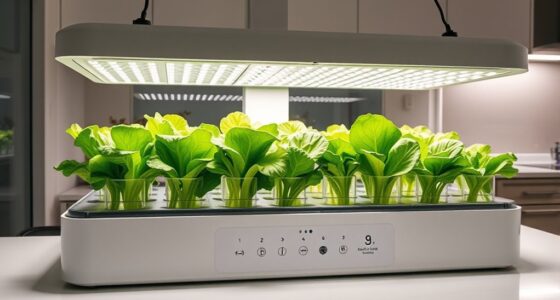
Choosing the best climate package for indoor gardens requires balancing automation, precision, and ease of use. The iPower GLFANX3 stands out for its comprehensive control system, perfect for serious growers who want detailed environment management. Meanwhile, the VIVOSUN VIGO offers a more straightforward, budget-friendly approach for beginners. These options highlight key tradeoffs: while the iPower provides advanced features, it comes with a higher price and complexity. Conversely, the VIVOSUN prioritizes simplicity and affordability, but sacrifices some customization. In this guide, I compare these and other top picks to help you find the best climate package tailored to your indoor garden’s needs in 2026.
Key Takeaways
- The most advanced climate packages offer high customization but come with increased complexity and cost.
- Simpler, more affordable options are ideal for beginners or small-scale growers who prioritize ease of use.
- Key features to evaluate include temperature/humidity control, automation capabilities, and integration options.
- Tradeoffs often involve balancing control precision against user-friendliness and price.
- Your ideal climate package depends heavily on your experience level, garden size, and budget.
| HOME GROWN Zinnia Seeds Mix – 17,000 Pumila Compact Zinnia Flower Seeds for Planting Outdoors |  | Best for Beginners & Quick Results | Seed Quantity: 17,000 seeds | Plant Height: 18-24 inches | Bloom Time: 60-70 days | VIEW LATEST PRICE | See Our Full Breakdown |
More Details on Our Top Picks
HOME GROWN Zinnia Seeds Mix – 17,000 Pumila Compact Zinnia Flower Seeds for Planting Outdoors
This seed pack is ideal for gardeners seeking an easy, reliable way to grow vibrant flowers with minimal fuss. It stands out for its fast germination—visible blooms within 60–70 days—and its compact size, making it perfect for containers or small beds. Compared to more complex climate control systems, this isn’t about automation but about quick, straightforward growth. It’s best suited for novice gardeners or those who want seasonal color without needing sophisticated environment management. The main tradeoff is that it doesn’t offer any climate regulation features, so it’s not suitable for controlling indoor conditions. Nevertheless, in outdoor settings or well-controlled environments, these seeds deliver dependable, continuous blooms.
Pros:- Fast germination and bloom cycle
- High seed quantity at a budget-friendly price
- Ideal for small gardens and containers
- Pollinator-friendly blooms
Cons:- No climate control features
- Limited to outdoor or basic conditions
- Not suitable for year-round indoor gardening
Best for: Beginners and gardeners looking for quick, colorful results without advanced climate control
Not ideal for: Experienced growers or those seeking precise indoor climate regulation
- Seed Quantity:17,000 seeds
- Plant Height:18-24 inches
- Bloom Time:60-70 days
- Sun Exposure:Full sun
- Climate Tolerance:Heat and sun ready
- Pollinator Friendly:Yes
Bottom line: A smart choice for beginners wanting quick, colorful outdoor blooms without the complexity of climate control.
How We Picked
Our selection process focused on evaluating climate control systems that cater specifically to indoor garden needs. We prioritized products with robust environmental regulation features, user-friendly interfaces, and good value for their price. We compared automation capabilities, sensor accuracy, expandability, and customer feedback. To ensure relevance, we selected options suitable for a range of garden sizes and experience levels, from beginners to seasoned growers. Tradeoffs were carefully considered: more advanced systems offer finer control but may be overwhelming or costly for casual users, while simpler models prioritize ease but limit customization.
Factors to Consider When Choosing Best Climate Package For Indoor Gardens
Selecting the right climate package for your indoor garden hinges on understanding your specific needs—whether you prioritize automation, budget, or simplicity. The key is balancing control over temperature, humidity, and airflow against ease of setup and ongoing management. By considering your garden size, plant varieties, and experience, you can find a climate system that enhances growth without complicating your routine. This guide breaks down essential features and provides tips for making an informed choice.Understanding Climate Control Features
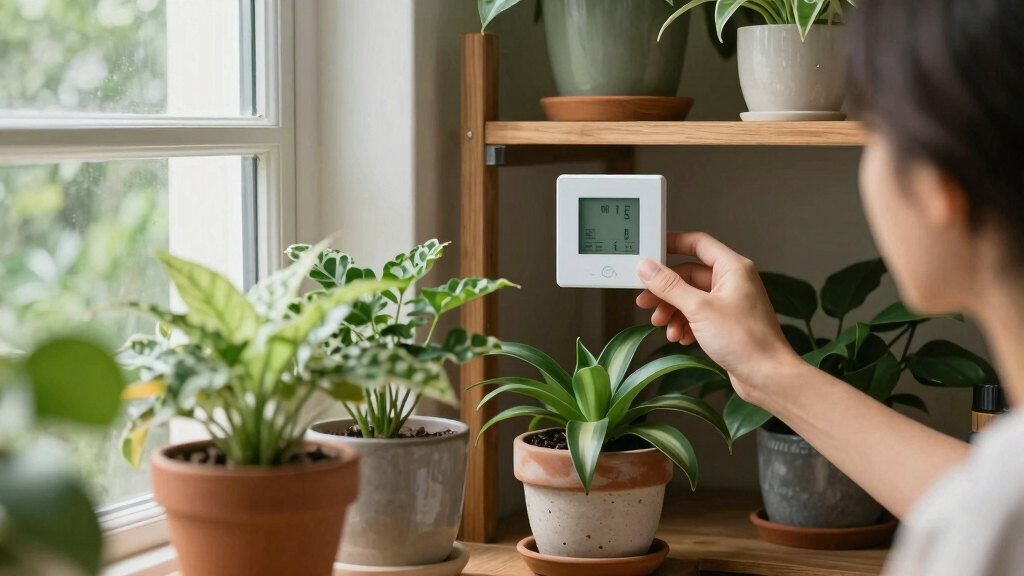
When choosing a climate package, focus on core features like temperature regulation, humidity control, and ventilation. Advanced systems offer automated sensors, programmable timers, and integration with smart home devices, which are valuable for maintaining stable conditions for sensitive plants. Simpler models might provide manual controls, which are easier to operate but less precise. Your decision should match your gardening goals and technical comfort level.
Budget vs. Performance
Higher-priced climate packages typically include more sophisticated controls, better sensors, and expandability options, making them suitable for serious or professional growers. Conversely, budget models can be perfect for hobbyists or those with smaller setups who need basic regulation. Keep in mind that spending more often translates into better reliability and finer environmental control, but it also requires a larger upfront investment.
Ease of Use and Maintenance
Intuitive interfaces, clear setup instructions, and low-maintenance components make a big difference, especially for newcomers. Systems with automated alerts and remote monitoring can help prevent issues without constant oversight. However, more complex systems may require a learning curve and regular calibration, which can be a drawback if your time or technical skills are limited.
Frequently Asked Questions
What is a climate package for indoor gardens?
A climate package consists of equipment like thermostats, humidifiers, fans, and sensors that work together to maintain optimal growing conditions indoors. These systems help regulate temperature, humidity, and airflow, creating a stable environment for plants to thrive, especially in spaces with fluctuating or uncontrollable outdoor conditions.
Do I need a climate package if I grow in a small space?
If your small indoor garden is in a controlled, climate-stable environment, you might not need a full climate package. However, if you want consistent conditions that maximize plant health or are growing sensitive species, investing in a basic system can be beneficial. For very small setups, manual adjustments may suffice, but automation offers peace of mind and increased precision.
How do I choose between manual and automated climate control?
Manual controls are simple and cost-effective, suitable for hobbyists or casual growers with small gardens. Automated systems, while more expensive and complex, provide consistent regulation and reduce ongoing effort, making them ideal for larger or more delicate setups. Your choice depends on your budget, experience, and how much time you want to dedicate to environmental management.
Can a climate package be expanded or upgraded?
Many modern climate systems are designed with expandability in mind, allowing additional sensors, fans, or controllers to be added as your garden grows or as your needs change. When selecting a system, consider whether it supports future upgrades, especially if you plan to scale up or diversify your plants.
What are common tradeoffs when choosing a climate package?
The main tradeoffs involve balancing cost, complexity, and control. More advanced systems offer precise regulation but come with higher prices and a steeper learning curve. Simpler systems are affordable and easier to operate but may lack fine-tuning capabilities. Your decision should reflect your gardening goals, technical comfort, and budget constraints.
Conclusion
If you’re a beginner or grow small-scale, a basic, manual climate control setup will likely meet your needs without overwhelming you. Serious hobbyists or commercial growers should consider investing in a more advanced, automated climate package that offers detailed regulation and expandability. Meanwhile, budget-conscious gardeners can find good value in simpler models, but they should be aware of the tradeoff in control and precision. Ultimately, your choice depends on your experience, garden size, and how much effort you’re willing to invest in maintaining optimal conditions.