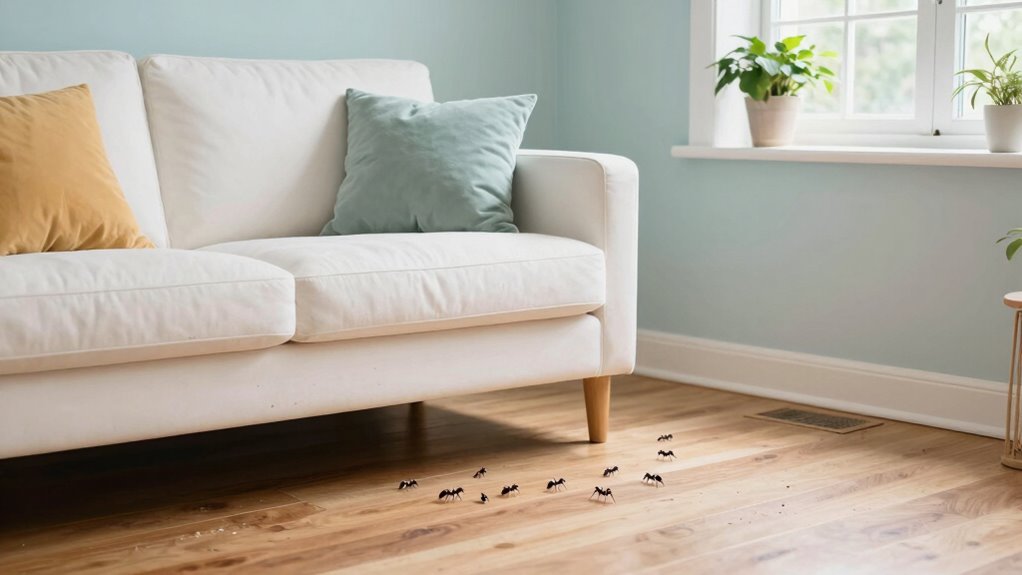

As temperatures warm, pests like ants, spiders, and rodents become more active inside your home, seeking shelter from the outside elements. They’re attracted to food, water, and warmth, making entry through tiny cracks and gaps around doors and windows easier. Keeping your home sealed, removing debris from your yard, and maintaining garden habits can help reduce pest activity. Want to understand more ways to keep pests at bay as spring unfolds? Keep going for helpful tips.

Get garden gear delivered free with Prime
- Fast, free delivery on millions of items
- Prime Video, Amazon Music and more included
- Member-only deals all year
Key Takeaways
- Warmer spring weather awakens pests from dormancy, increasing indoor activity.
- Pests exploit entry points like cracks, gaps, and open doors or windows.
- Garden maintenance and overwatering attract pests seeking moisture and shelter.
- Outdoor yard changes influence pest migration and indoor infestation risks.
- Regular sealing, cleaning, and natural pest control strategies reduce spring pest pressure indoors.

As spring arrives, pests that have been dormant underground or outdoors start to seek shelter inside your home. The warmer weather and increased moisture create perfect conditions for insects and rodents to venture indoors. This shift means you need to be more vigilant about garden maintenance and pest prevention. If you overlook these steps, you might find your home overrun with unwelcome visitors before you know it.
You’ll notice pests like ants, spiders, and even rodents trying to sneak through tiny cracks or gaps around doors, windows, and the foundation. They’re drawn by the promise of food, water, and warmth that indoor environments provide. To combat this, it’s essential to inspect your home’s exterior and seal any openings you find. Weatherstripping doors and windows, filling cracks in the foundation, and installing door sweeps can go a long way toward keeping pests out. Remember, pest prevention isn’t just about reacting to an infestation; it’s about proactively blocking their entry points before they even get in.
Meanwhile, the changes in your outdoor garden can also influence pest activity. As plants begin to grow, they can attract pests that may eventually make their way inside. Regular garden maintenance becomes vital—removing dead leaves, trimming overgrown shrubs, and cleaning up fallen debris helps eliminate potential hiding spots for pests. Keeping your yard tidy reduces the likelihood of a pest infestation that could spill into your home. Additionally, avoid overwatering your garden, as excess moisture can attract insects and rodents seeking water sources indoors. Maintaining garden biodiversity can also promote natural pest control by encouraging beneficial insects that prey on pests. Incorporating integrated pest management practices can further enhance your efforts to reduce chemical use while keeping pests at bay. Being aware of indoor pest entry points enables you to create a comprehensive barrier against unwanted invaders.
door and window weatherstripping
As an affiliate, we earn on qualifying purchases.
As an affiliate, we earn on qualifying purchases.
Frequently Asked Questions
How Do Pests Enter Homes During Spring?
Pests enter your home during spring mainly through open doors, windows, and tiny cracks around your home’s foundation. Garden pests, like ants and beetles, look for warm, sheltered spots, and they often find pest entry points into your house. To keep them out, seal cracks, install screens, and regularly check for new gaps. Being proactive helps prevent pests from sneaking inside and causing trouble.
Are Certain Rooms More Prone to Pest Intrusion?
Certain rooms become pest-prone areas, especially kitchens and basements, where food crumbs and moisture attract pests. You might picture these spaces as cozy hideouts, yet their seasonal pest habits make them vulnerable. While living rooms often stay pest-free, these prone areas act like open invitations, especially during spring. You’ll notice pests seek out these warmer, food-rich zones, making regular inspection and cleaning essential to keep them at bay.
What Are the Signs of Indoor Pest Infestation?
You’ll notice pest detection through signs like droppings, gnaw marks, or damaged belongings. Infestation signs also include unusual odors, shed skins, or live pests in hidden spots such as behind furniture or in dark corners. Keep an eye out for these clues, as early detection helps prevent a full-blown invasion. Regular inspections and prompt action are key to managing pests before they become a bigger problem indoors.
Can Spring Pests Carry Diseases Indoors?
Yes, spring pests can carry diseases indoors, so it’s wise to stay cautious. To protect yourself, follow gardening tips that reduce pest entry points around your home. Avoid believing pest control myths that might lead to ineffective practices, and instead, use proven methods to keep pests out. Regularly inspect your home, clean up clutter, and make certain screens are intact to prevent pests from bringing diseases inside.
How Early Should I Start Pest Prevention Measures?
You should start pest prevention measures early in spring, ideally before seasonal pest behavior ramps up. By acting proactively, you reduce the risk of pests entering your home. Implement preventive measures like sealing cracks, removing food sources, and trimming vegetation near your house. Starting early gives you a head start against pests, making it easier to control their population and prevent infestations when seasonal pest behavior becomes more active.
As an affiliate, we earn on qualifying purchases.
Conclusion
As spring brings warmth and blooms, it also invites pests indoors. Stay vigilant, stay prepared, and stay proactive. Keep your home sealed, eliminate attractants, and address issues promptly. By doing so, you defend your space, protect your comfort, and preserve your peace of mind. Embrace the season with awareness, with action, with confidence. Because when you stay attentive, you stay ahead—keeping pests out, and your home safe, serene, and pest-free.
As an affiliate, we earn on qualifying purchases.
As an affiliate, we earn on qualifying purchases.
Fall Picks
fall essentials
As an affiliate, we earn on qualifying purchases.