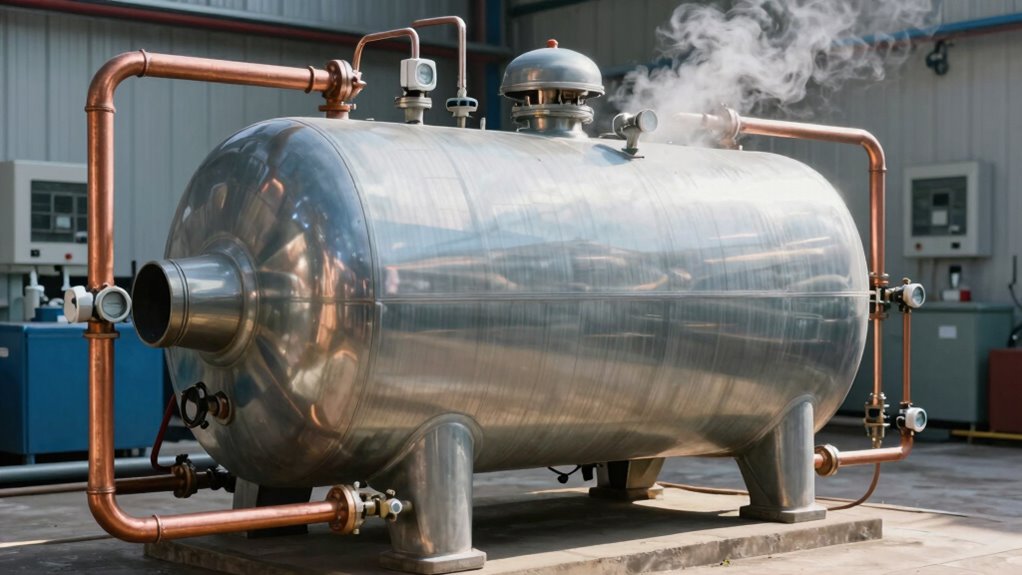
Reservoir heaters do more than just warm water; they boost energy efficiency, improve safety, and extend equipment life. By maintaining stable temperatures, they prevent issues like bacteria growth and system failures. Built-in safety features, proper insulation, and smart controls help prevent hazards and waste. Ensuring reliable operation, they save money and reduce environmental impact. If you want to discover more ways reservoir heaters protect your system and save costs, there’s plenty to explore ahead.

Get garden gear delivered free with Prime
- Fast, free delivery on millions of items
- Prime Video, Amazon Music and more included
- Member-only deals all year
Key Takeaways
- Reservoir heaters maintain consistent water temperature, preventing bacteria growth and ensuring system stability beyond just addressing cold water issues.
- They improve energy efficiency and reduce utility costs through precise, targeted heating.
- Built-in safety features and proper installation enhance system safety and prevent hazards.
- Insulation and maintenance extend equipment lifespan and minimize heat loss.
- Stable temperatures and system reliability support both commercial and personal applications effectively.
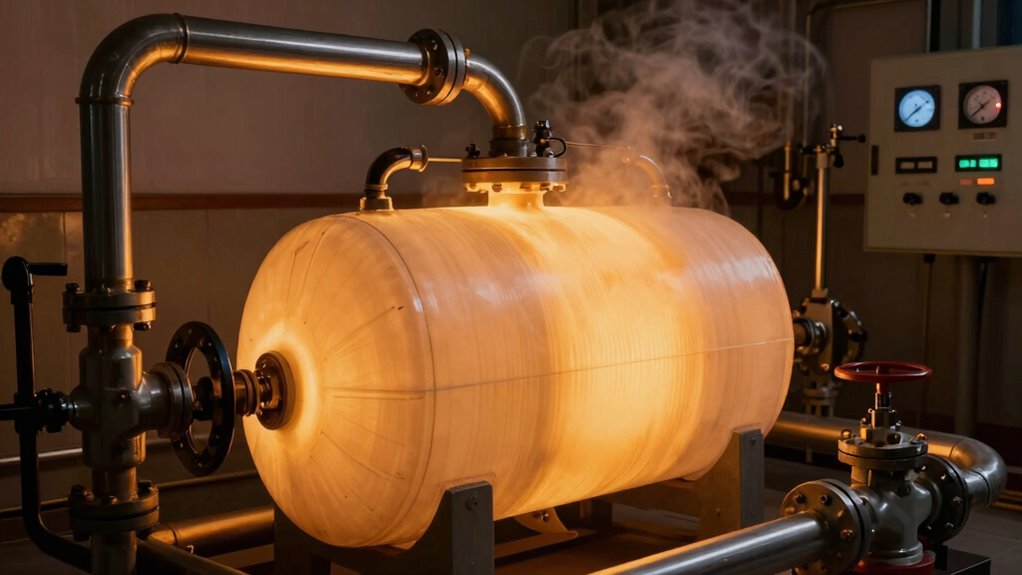
Have you ever wondered how to keep your reservoir at the perfect temperature? The answer isn’t just about comfort—it’s about maximizing your system’s performance and safety. Reservoir heaters are essential tools that do more than just solve cold water problems; they improve energy efficiency and help you adhere to important safety protocols. When you install a reservoir heater, you’re taking a proactive step toward maintaining consistent water temperature, which benefits your entire setup.
Energy efficiency is a key advantage of modern reservoir heaters. Instead of running a system that constantly struggles to maintain a stable temperature, these heaters provide targeted warmth exactly where it’s needed. This precision means less energy wasted heating unnecessary areas, reducing your overall power consumption. With adjustable thermostats and smart controls, you can fine-tune the temperature, ensuring your reservoir stays within ideal ranges without overusing energy. Not only does this save money on utility bills, but it also reduces your environmental impact. When your reservoir remains at the right temperature, your equipment runs more smoothly and lasts longer, cutting down on maintenance costs and downtime.
Modern reservoir heaters save energy with precise, adjustable controls, extending equipment life and reducing costs and environmental impact.
Safety protocols are equally critical when it comes to reservoir heaters. Proper installation and regular maintenance are non-negotiable to prevent accidents like overheating or electrical failures. Many heaters come with built-in safety features such as automatic shut-offs and thermal cutoffs, which activate if temperatures exceed safe limits. This safeguard protects both your equipment and anyone working nearby. Adhering to safety protocols also means ensuring that your heater is properly grounded and that electrical connections meet local codes. Proper insulation around the heater prevents heat loss and minimizes the risk of burns or fire hazards. When you respect these safety guidelines, you not only protect your investment but also create a safer environment for everyone involved. Additionally, understanding indoor air quality considerations can help prevent issues related to excess heat and humidity generated by the heater. Incorporating proper ventilation is also vital to maintaining a healthy indoor environment when using thermal equipment. Being aware of electrical safety best practices further ensures the longevity and safe operation of your heater. Incorporating regular maintenance routines can help identify potential issues early and extend the lifespan of your system.
In addition to keeping water at the right temperature, reservoir heaters help avoid issues caused by temperature fluctuations, such as bacteria growth or equipment stress. They provide a consistent environment, which improves overall system reliability. Whether you’re managing a commercial setup or a personal project, investing in a quality reservoir heater means you’re addressing multiple concerns: energy efficiency, safety, and system stability.
In the end, reservoir heaters are more than just tools to combat cold water—they’re an essential part of a well-maintained, efficient, and safe system. By choosing the right heater and following best practices, you ensure your reservoir functions at its best, saving you money and peace of mind in the long run.
reservoir water heater with safety features
As an affiliate, we earn on qualifying purchases.
As an affiliate, we earn on qualifying purchases.
Frequently Asked Questions
Can Reservoir Heaters Improve Water Quality?
Yes, reservoir heaters can improve water quality by maintaining a consistent water temperature, which helps prevent bacteria growth and stagnation. When you keep the water warm, it promotes a safer reservoir environment and reduces the risk of contamination. Additionally, a well-heated reservoir enhances safety by avoiding temperature fluctuations that can cause equipment issues or health hazards, ensuring better overall water quality for your system.
Are Reservoir Heaters Energy-Efficient Options?
Imagine a warm, steady flow of water without wasting energy—that’s what reservoir heaters offer. They’re energy-efficient options that reduce energy consumption, helping you save on costs. By maintaining consistent water temperature, you avoid unnecessary heating cycles, leading to significant cost savings. So, you get reliable hot water while keeping energy use low, making reservoir heaters a smart choice for your home or business.
How Long Do Reservoir Heaters Typically Last?
Reservoir heaters typically last around 8 to 12 years, depending on usage and maintenance. You’ll want to take into account temperature regulation features to extend their lifespan. Proper installation is essential; make sure it’s done according to manufacturer guidelines to avoid early wear. Regularly inspecting and maintaining the heater helps prevent issues, so you get the most out of your investment. With good care, your reservoir heater can serve you reliably for many years.
Do Reservoir Heaters Require Special Maintenance?
Reservoir heaters require routine maintenance to keep them running reliably. You should regularly check installation considerations to guarantee everything’s secure and safe. Follow safety precautions closely, like inspecting electrical connections and avoiding water contact with wiring. Clean or replace filters as needed, and monitor for corrosion or wear. Proper upkeep prevents malfunctions, prolongs lifespan, and ensures safe, smooth operation, so you can enjoy consistent hot water without worries.
Can Reservoir Heaters Be Used in Outdoor Environments?
Yes, you can use reservoir heaters outdoors. They’re designed for outdoor installation and feature weather resistance, helping them withstand environmental elements like rain, snow, and wind. Make certain to select a model specifically rated for outdoor use, and follow installation instructions carefully. Proper outdoor installation ensures the heater functions efficiently, maintains durability, and prevents damage caused by exposure to weather conditions.
adjustable thermostat reservoir heater
As an affiliate, we earn on qualifying purchases.
As an affiliate, we earn on qualifying purchases.
Conclusion
Picture your reservoir heater as a gentle sunrise, warming your water and making every morning feel like a fresh start. With its steady glow, it banishes cold surprises, inviting you to immerse yourself in comfort and ease. No more shivering or waiting—just smooth, warm water ready whenever you need it. Embrace the quiet power of your reservoir heater, turning chilly mornings into warm, welcoming moments you’ll look forward to every day.
thermal insulation for water tanks
As an affiliate, we earn on qualifying purchases.
As an affiliate, we earn on qualifying purchases.
automatic shut-off reservoir heater
As an affiliate, we earn on qualifying purchases.
As an affiliate, we earn on qualifying purchases.
Fall Picks
fall essentials
As an affiliate, we earn on qualifying purchases.