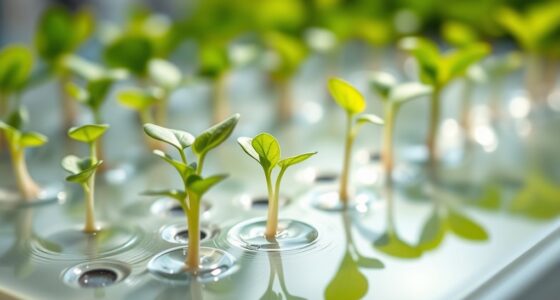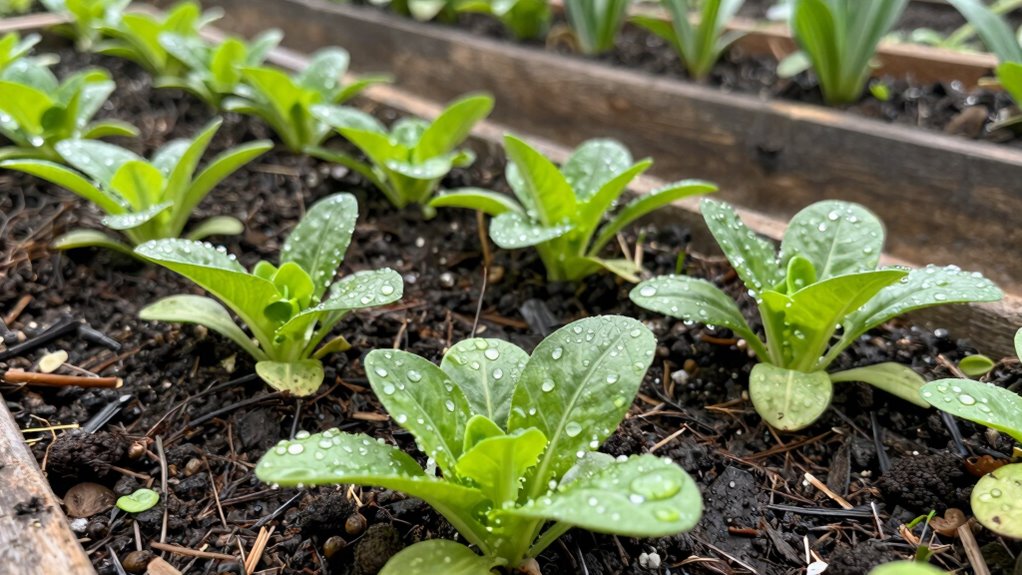

To guarantee reliable spring greens, start by preparing your soil with compost or well-rotted manure to boost organic matter and balance pH. Apply a nitrogen-rich fertilizer early for lush foliage, then switch to higher phosphorus and potassium as plants mature. Regularly monitor for deficiencies, use soil tests to fine-tune your plan, and maintain steady nutrient supply with timely amendments. Consistent care and attention to these steps will set you up for a healthy, productive garden—more tips follow to keep your greens thriving.

Get garden gear delivered free with Prime
- Fast, free delivery on millions of items
- Prime Video, Amazon Music and more included
- Member-only deals all year
Key Takeaways
- Conduct soil testing early to determine nutrient deficiencies and tailor fertilization accordingly.
- Apply a balanced, nitrogen-rich fertilizer at planting for lush foliage, then switch to phosphorus and potassium as greens mature.
- Use organic amendments like compost to improve soil health and nutrient retention throughout the season.
- Schedule regular fertilization intervals aligned with growth stages to maintain steady nutrient availability.
- Monitor plants for deficiencies and adjust fertilization to prevent nutrient imbalances and promote resilience.
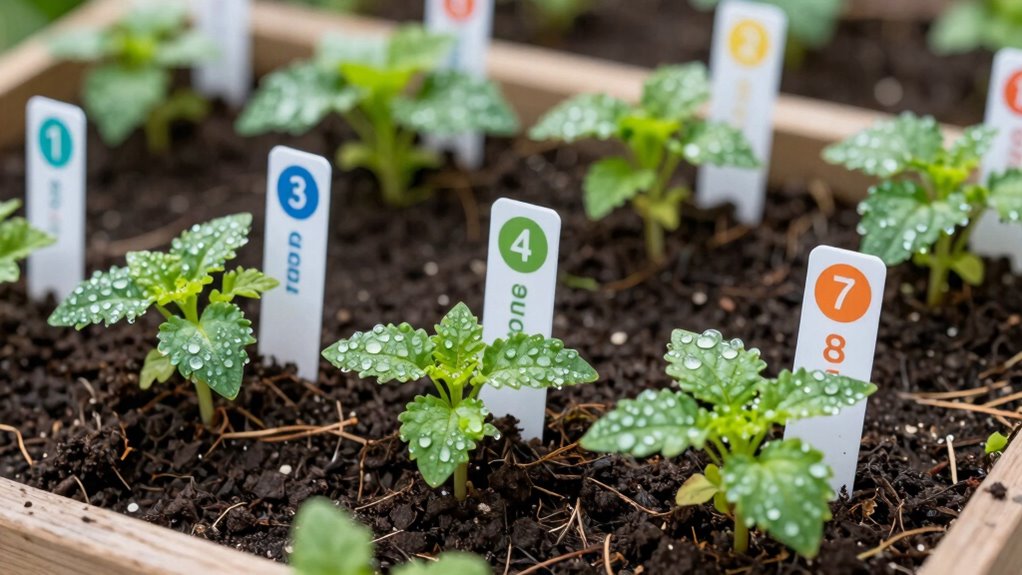
Are you ready to give your spring greens the nutrients they need to thrive? The key to a successful harvest starts with understanding how to properly nourish your plants and protect them from pests. A well-planned nutrient schedule ensures your greens grow strong and resilient, and it begins with preparing the soil. Incorporating a soil amendment improves soil health by increasing organic matter and balancing pH levels, creating an ideal environment for root development. Choose amendments like compost or well-rotted manure, and mix them into your soil before planting. This foundation provides essential nutrients and enhances the soil’s ability to retain moisture, which supports consistent growth. Additionally, understanding the specific product comparisons can help you select the best amendments for your garden.
Once your soil is enriched, consider a targeted fertilization routine. Early in the season, apply a balanced fertilizer high in nitrogen to promote lush, leafy growth. As your greens mature, switch to a fertilizer with more phosphorus and potassium to support root development and overall plant health. Keep in mind that over-fertilizing can lead to excessive foliage that’s vulnerable to pests or disease, so follow recommended application rates. Regularly monitor your plants for signs of nutrient deficiencies, such as yellowing leaves or stunted growth, and adjust your feeding schedule accordingly. Using soil testing can help you better understand your soil’s needs and tailor your fertilization plan more precisely. Proper soil management techniques also help prevent nutrient leaching and maintain soil fertility throughout the growing season, especially when combined with organic matter additions. Maintaining proper nutrient balance is crucial for achieving healthy, productive greens.
Apply balanced, nitrogen-rich fertilizer early, then switch to phosphorus and potassium as your greens mature.
Pest control is equally essential to a reliable crop. Start preventative measures early by inspecting your plants regularly and removing any weeds, which can harbor pests. Using organic pest control methods, like neem oil or insecticidal soap, helps keep pests at bay without harming beneficial insects. If you notice pests like aphids or flea beetles, treat affected areas promptly to prevent infestations from spreading. Physical barriers, like row covers, can also protect your greens during vulnerable stages. Maintaining healthy, vigorous plants through proper nutrition naturally makes them more resistant to pests, reducing the need for chemical interventions.
Consistency is key. Stick to your nutrient schedule, applying amendments and fertilizers at regular intervals based on your crop’s growth stage. This steady supply of nutrients keeps your greens vigorous, which in turn helps them withstand pests and environmental stressors. Combining good soil management with proactive pest control creates a cycle of healthy growth, leading to more reliable yields. With proper planning and attention, you’ll set your spring greens up for success, enjoying fresh, vibrant harvests all season long.
organic compost for vegetable garden
As an affiliate, we earn on qualifying purchases.
As an affiliate, we earn on qualifying purchases.
Frequently Asked Questions
How Often Should I Adjust Nutrient Levels During Unpredictable Spring Weather?
You should adjust nutrient levels frequently during unpredictable spring weather by monitoring nutrients regularly. Keep an eye on your plants and use nutrient monitoring tools to track deficiencies or excesses. Adjust fertilizer timing based on weather changes—apply more during cool, cloudy days and reduce when it’s hot and sunny. Consistent monitoring helps you respond quickly, ensuring your spring greens stay healthy regardless of sudden weather shifts.
Are There Organic Alternatives to Synthetic Fertilizers for Spring Greens?
Yes, you can boost your spring greens naturally with organic compost and natural amendments. These alternatives release nutrients slowly, helping your plants stay healthy despite unpredictable weather. Adding rich compost enriches the soil, while natural amendments like seaweed or fish emulsion deliver essential nutrients without synthetic chemicals. Keep an eye on your greens—they might just thrive better with this secret weapon, turning your garden into a resilient, organic oasis.
What Signs Indicate Nutrient Deficiencies in Spring Greens?
You’ll notice nutrient deficiencies in your spring greens when their leaves turn yellow, pale, or show stunted growth. Look for spots, holes, or discoloration as signs of imbalance. To prevent these issues, try companion planting to improve nutrient uptake and use mulching techniques to retain soil moisture and nutrients. These methods help maintain healthy greens and reduce the risk of deficiencies, ensuring a more reliable spring harvest.
Can Soil pH Affect Nutrient Absorption in Spring Greens?
You might not realize it, but soil pH balance can dramatically impact your spring greens. If the pH drifts out of the ideal range, nutrients can become locked out, preventing your plants from absorbing what they need. This hidden obstacle can quietly sabotage your crop’s health. Keep a close eye on soil pH levels; maintaining proper balance guarantees your greens stay vibrant, lush, and productive throughout the season.
How Do Pests Impact Nutrient Uptake in Spring Greens?
Pests can considerably hinder nutrient uptake in your spring greens by damaging roots and leaves, which reduces the plant’s ability to absorb nutrients effectively. To combat this, you should consider planting pest-resistant varieties and using natural pest deterrents like neem oil or companion planting. These strategies help protect your greens from pests, ensuring healthier growth and better nutrient absorption, leading to a more reliable and vibrant spring greens harvest.
balanced fertilizer for leafy greens
As an affiliate, we earn on qualifying purchases.
As an affiliate, we earn on qualifying purchases.
Conclusion
Follow this nutrient schedule, and your spring greens will flourish like a well-tuned orchestra, each note in harmony. When you provide the right nutrients at the right times, your greens grow stronger, healthier, and more reliable. Think of your garden as a symphony, where each element plays its part perfectly. With consistent care and attention, you’ll turn your garden into a vibrant masterpiece, bursting with fresh, lush greens ready to enjoy all season long.
As an affiliate, we earn on qualifying purchases.
organic pest control for vegetables
As an affiliate, we earn on qualifying purchases.
As an affiliate, we earn on qualifying purchases.
Halloween Picks
halloween
As an affiliate, we earn on qualifying purchases.