
To grow hydroponic cauliflower successfully, you should focus on effective pest control, maintaining balanced nutrients, and keeping the environment ideal. Regularly inspect plants for pests like aphids, use organic solutions, and introduce beneficial insects. Make certain your nutrient solution is balanced and pH is stable around 6.0. Keep your system clean and well-aerated to promote healthy head development. If you keep these tips in mind, you’ll be on your way to producing delicious, high-quality cauliflower and uncover more expert insights.
Key Takeaways
- Follow optimal nutrient management and pH balance to produce healthy, high-quality cauliflower heads for better recipe results.
- Maintain a clean, pest-free hydroponic system using integrated pest control and beneficial insects to ensure crop health.
- Use environmentally controlled conditions to promote firm, white cauliflower heads ideal for delicious culinary uses.
- Harvest cauliflower at peak maturity for optimal flavor and texture in a variety of recipes.
- Incorporate fresh, hydroponically grown cauliflower into diverse recipes like salads, roasts, and stir-fries for best taste.

Growing cauliflower hydroponically offers a sustainable and efficient way to produce high-quality vegetables indoors or in limited spaces. When you choose this method, you’re taking control of the growing environment, which means you can optimize conditions for the best possible harvest. One of the key challenges you’ll face is pest control. Since hydroponic systems are often more contained than traditional soil farms, pests tend to be less prevalent, but they can still pose a threat. To prevent infestations, regularly inspect your plants for signs of pests like aphids or whiteflies. Using integrated pest management strategies, such as introducing beneficial insects or applying organic, target-specific treatments, helps keep pests at bay without harming your crop or environment. Keeping a clean system is also essential—remove dead leaves and debris promptly to eliminate hiding spots for pests.
Nutrient management is equally essential in hydroponic cauliflower cultivation. Unlike soil-based growing, where nutrients are naturally present in the ground, hydroponic systems depend entirely on you providing the right balance of nutrients. You need to carefully monitor and adjust the nutrient solution to guarantee your cauliflower plants receive all the essential elements—nitrogen, phosphorus, potassium, and trace minerals—in the correct proportions. Regular testing of the nutrient solution allows you to catch deficiencies or imbalances early, preventing stunted growth or poor head development. Maintaining proper pH levels, typically around 5.8 to 6.2, is also critical for ideal nutrient uptake. If the pH drifts, your plants might struggle to absorb nutrients, leading to deficiencies even if your solution contains enough nutrients. Additionally, understanding pest prevention strategies can help you maintain a healthy crop environment from the outset.
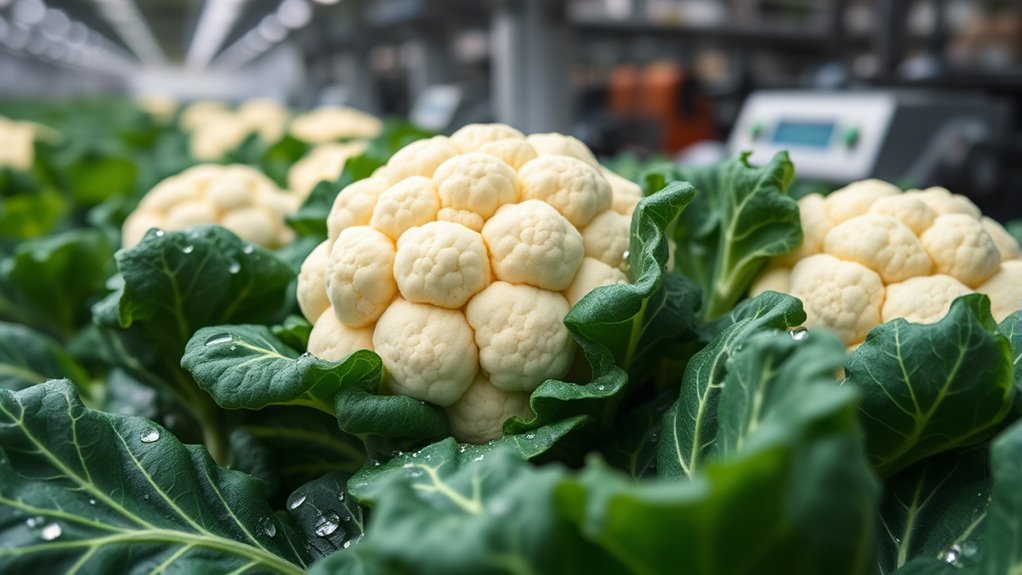
In addition to pest control and nutrient management, you’ll want to stay consistent with watering and oxygen supply. Cauliflower needs a steady supply of oxygen to develop healthy heads, so ensuring your hydroponic system has adequate aeration is vital. This can be achieved with air stones or circulating pumps. When you manage these factors diligently, your cauliflower plants will grow robustly, producing firm, white heads that are perfect for harvesting.

Active Aqua Ebb System - Electric Hydroponic - 7 Gal - Plastic
- Grow Flow Controller: Controls up to 24 modules
- Emergency Shut-Off: Provides overflow protection
- Water Flow Management: Heavy-duty float switches and pumps
As an affiliate, we earn on qualifying purchases.
Frequently Asked Questions
What Are Common Pests in Hydroponic Cauliflower Systems?
You’ll often face common pests like aphids, whiteflies, and spider mites in hydroponic cauliflower systems. To manage these pests, implement pest management strategies such as introducing beneficial insects, using organic insecticidal soaps, or regularly inspecting your plants. Staying vigilant helps prevent infestations from spreading, ensuring your cauliflower stays healthy and productive. Consistent monitoring and early intervention are key for effective pest management in your hydroponic setup.
How Do I Prevent Root Diseases in Hydroponic Cauliflower?
To prevent root diseases like root rot in your hydroponic cauliflower, you should maintain clean systems and monitor water quality regularly. Guarantee proper oxygenation of the nutrient solution to avoid stagnant conditions that promote disease. Use disease prevention techniques such as sterilizing equipment and avoiding overwatering. Keeping the roots healthy and well-aerated minimizes the risk of root rot, helping your cauliflower thrive and preventing costly plant losses.
What Temperature Fluctuations Are Ideal for Hydroponic Cauliflower Growth?
You should aim for consistent temperatures around 65-75°F for ideal hydroponic cauliflower growth. Temperature regulation is key, so avoid sudden fluctuations that can stress your plants. Maintain humidity control to prevent excessive moisture that promotes diseases. Keep the environment stable by monitoring and adjusting your system regularly, ensuring your cauliflower experiences minimal temperature swings. This approach promotes healthy development and maximizes your crop’s potential.
Can Hydroponic Cauliflower Be Grown Year-Round Indoors?
Yes, you can grow hydroponic cauliflower indoors year-round. With proper indoor lighting, you’ll provide the necessary light spectrum and intensity, regardless of the season. Space optimization is key—use vertical setups or compact systems to maximize limited areas. By maintaining consistent temperature and humidity levels, you guarantee healthy growth. This approach allows you to enjoy fresh cauliflower anytime, even during off-seasons, making indoor cultivation both practical and rewarding.
How Do Nutrient Deficiencies Manifest in Hydroponic Cauliflower?
You’ll notice nutrient deficiencies in your hydroponic cauliflower through various deficiency symptoms, such as yellowing leaves, stunted growth, or poor head formation. These signs often indicate a nutrient imbalance, where essential elements like nitrogen, calcium, or magnesium are lacking. To prevent this, monitor your nutrient solution regularly, adjust levels promptly, and guarantee proper pH balance to keep your cauliflower healthy and thriving indoors year-round.

Grow1 Hydroponic 120V Single Outlet Digital Timers for Electrical Outlets, Compatible w/ 110V, 115V & 120V Outlets | Heavy Duty | Perfect for Aquarium Light Timer, Grow Lights
- Plug-in Digital Timer: Reliable, hassle-free outlet control
- Second-by-Second Control: Precise automation down to the second
- Versatile Applications: Suitable for lights, pumps, fans, and more
As an affiliate, we earn on qualifying purchases.
Conclusion
Just as a master painter brings vibrant life to a blank canvas, your hydroponic cauliflower journey transforms a simple space into a lush, thriving garden. By following these best practices and trying out fresh recipes, you’ll nurture a crop that’s as rewarding as it is delicious. Remember, with patience and care, you’re crafting a masterpiece—one that’s bursting with flavor and vitality, much like the timeless beauty of nature’s own canvas.
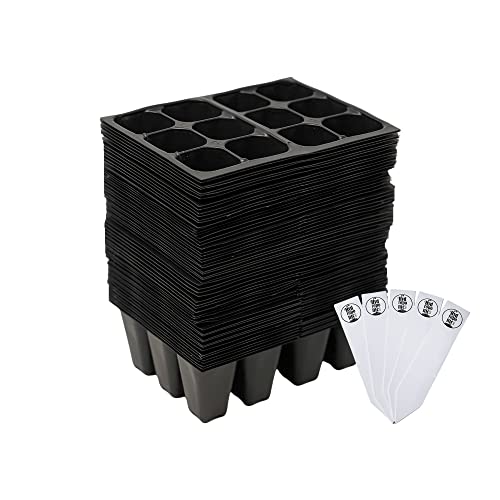
The Hydroponic City Seed Starter Trays, 720 Cells (120 Trays - 6 Cells Per Tray) + Plant Stakes
- Seed Germination and Transplanting: Ideal for seed germination and seedling transplanting
- Complete Starter Kit: Includes 120 trays and 5 plant stakes
As an affiliate, we earn on qualifying purchases.

GISNPA pH Down & pH Up for Hydroponics, pH Control Kit for Hydroponic Nutrients – 250ml pH Down and 250ml(8.45oz/250ml Each) pH Up with 2×50ml Beakers for Nutrient Water pH Adjustment
- Precise pH Range: Maintains 5.5–6.5 pH for optimal growth
- Complete Control Kit: Includes pH Up, pH Down, and measuring cup
- Easy pH Adjustment: No digital meter needed for testing
As an affiliate, we earn on qualifying purchases.