When choosing between hydroponics, aeroponics, and soil, consider your goals, resources, and environment. Hydroponics offers precise nutrient control, while aeroponics promotes faster growth with better oxygen access. Soil cultivation is more sustainable and requires less technology. If you want quick, high yields, aeroponics might be best. For natural, resource-friendly growth, soil suits you. Exploring the details will help you decide which system fits your needs best.
Key Takeaways
- Hydroponics offers precise control over nutrients but requires careful monitoring of pH and root conditions.
- Aeroponics promotes faster growth with high oxygen access but demands meticulous misting and system management.
- Soil cultivation is sustainable and adaptable, ideal for environments favoring natural processes and resource efficiency.
- Hydroponics and aeroponics suit controlled environments and commercial production, while soil is better for traditional farming.
- Choose based on resource availability, desired growth speed, management capacity, and environmental sustainability goals.

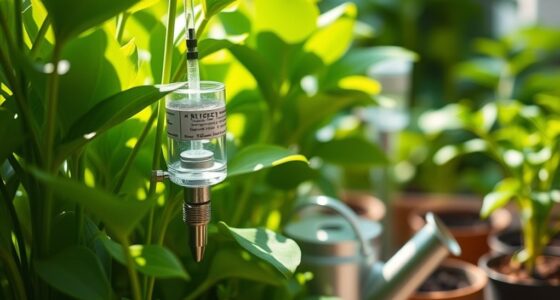
Are hydroponics, aeroponics, and soil cultivation truly different ways to grow plants, or are they just variations of the same process? While they all aim to nurture plants, they each have unique methods of delivering nutrients and managing roots. In hydroponics, you control plant growth by suspending roots in a nutrient-rich water solution. This approach relies heavily on plant nutrient solutions, which are carefully formulated to supply every essential mineral and element. Root zone management becomes crucial here; maintaining the right pH, oxygen levels, and flow of nutrients ensures healthy, vigorous growth. Since roots are submerged directly in the solution, you need to monitor and adjust conditions frequently to prevent issues like nutrient deficiencies or root rot. Considering the importance of yarn weight and stitch type, proper planning is essential when designing a growing system to match plant needs with available resources.
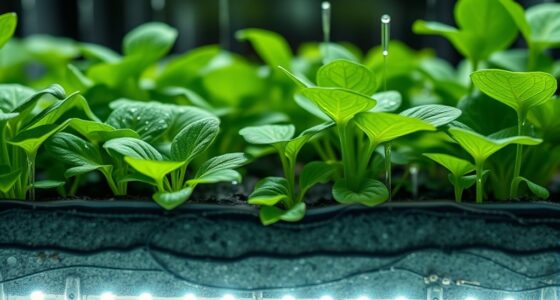
Aeroponics, on the other hand, takes root zone management to a more advanced level. Instead of submerging roots, you suspend them in a closed environment where they are misted with a fine spray of nutrient solutions at regular intervals. This method allows roots to access oxygen more efficiently than in hydroponics, often resulting in faster growth rates and higher yields. Because the roots are exposed to air and only intermittently misted, precise control over plant nutrient solutions is vital. You must ensure the nutrient concentration, pH, and misting frequency are optimal; otherwise, roots might dry out or become overly saturated, affecting plant health.
Soil cultivation differs significantly because it relies on the natural properties of soil to provide nutrients and support. The soil acts as a buffer, holding nutrients and water while also offering a habitat for beneficial microbes. In this system, root zone management involves managing soil health—adding organic matter, controlling pests, and ensuring proper drainage. Unlike hydroponics and aeroponics, where nutrients are supplied directly via solutions, soil growing depends on careful soil preparation and maintenance to ensure plants can access the nutrients they need. It’s less precise but more resilient, especially in environments where controlling water and nutrient delivery is difficult.
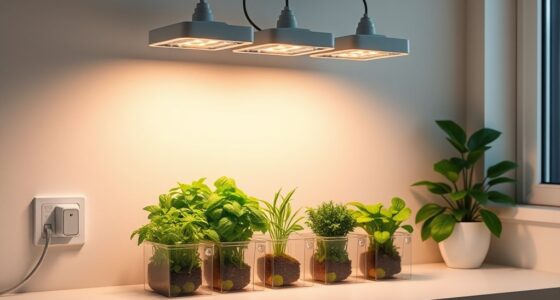
Choosing the right system depends on your goals, resources, and expertise. Hydroponics offers precise control but requires diligent monitoring of plant nutrient solutions and root zone conditions. Aeroponics pushes this further with enhanced oxygen access, demanding even more meticulous management. Soil cultivation remains practical and sustainable, relying on natural processes but needing consistent soil health management. Each approach has its strengths and challenges, but understanding how they handle plant nutrient solutions and root zone management helps you decide which system fits your needs best.
Frequently Asked Questions
Which System Offers the Fastest Plant Growth Rate?
Aeroponics offers the fastest growth speed among these systems, thanks to its ability to deliver nutrients directly to plant roots in a highly oxygenated environment. This accelerates nutrient absorption, resulting in quicker development and higher crop yield. With aeroponics, you can expect plants to mature faster compared to hydroponics or soil, making it ideal if you want rapid results and increased productivity in your growing setup.
How Do Maintenance Costs Compare Across Systems?
You’ll find that maintenance costs vary across systems. Hydroponics generally has higher initial expenses but offers better cost efficiency over time thanks to durable equipment and reusable components. Aeroponics might require more frequent maintenance due to its complex misting systems, increasing costs. Soil systems tend to have lower upfront costs but can incur higher long-term expenses due to soil replacement and lower equipment durability. Consider your budget and long-term goals to choose the best system.
Which System Is Most Suitable for Beginners?
If you’re new to gardening, a soil-based system with a starter kit is your best bet. It’s simple, affordable, and low-maintenance. For example, a beginner using a basic soil setup can grow herbs easily without complex equipment. Starter kits help you get started with minimal fuss. Aeroponics and hydroponics may offer faster growth, but they require more technical knowledge, making soil a more suitable choice for beginners.
Can These Systems Be Combined for Better Yields?
Yes, you can combine these systems for better yields through integrated systems or hybrid cultivation. By blending soil, hydroponics, and aeroponics, you optimize nutrient delivery and root health, leading to faster growth and higher productivity. This approach allows you to tailor conditions to each plant’s needs, increasing efficiency. Experimenting with hybrid cultivation can help you discover the perfect balance for your specific crops and environment.
What Are the Environmental Impacts of Each System?
You should know that each system impacts the environment differently. Hydroponics and aeroponics generally use water more efficiently, addressing sustainability challenges, but they can require more energy for pumps and climate control. Soil farming is less resource-intensive but often faces issues like runoff and soil degradation. Overall, choosing the right system depends on balancing water usage efficiency with environmental sustainability, minimizing negative impacts while maximizing crop yields.
Conclusion
Ultimately, choosing between hydroponics, aeroponics, and soil depends on your goals and resources. Imagine a lush garden flourishing in your space—whether it’s the precise droplets of aeroponics, nutrient-rich soil, or the streamlined flow of hydroponics, each system has its unique charm. As you weigh convenience, cost, and growth speed, you’ll find that the right choice naturally aligns with your vision, turning your gardening dreams into reality—just like a perfect harvest coincidentally waiting for you.