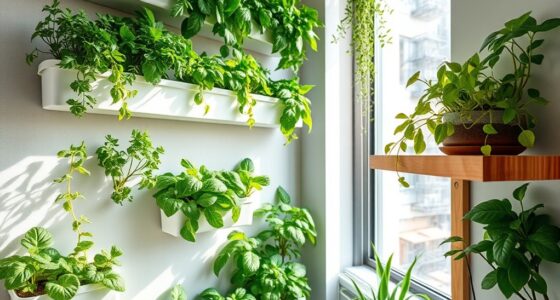
To keep your garden wall looking amazing and strong, you must prioritize regular maintenance, including inspecting plants for pests, pruning to prevent overgrowth, and guaranteeing proper drainage to avoid moisture damage. Choose suitable plants with shallow roots that support the structure without causing harm. Keep the area clean and monitor for early signs of issues. Consistent care is key — stay attentive, and you’ll ensure your wall remains beautiful and durable for years to come.

Get garden gear delivered free with Prime
- Fast, free delivery on millions of items
- Prime Video, Amazon Music and more included
- Member-only deals all year
Key Takeaways
- Regularly inspect and prune plants to prevent overgrowth and structural damage.
- Ensure proper drainage to avoid excess moisture that can weaken the wall.
- Use shallow-rooted, non-damaging plants suited for vertical growth.
- Keep the area clean and free of debris to deter pests and mold.
- Conduct routine checks for pests and early signs of wall stress or damage.
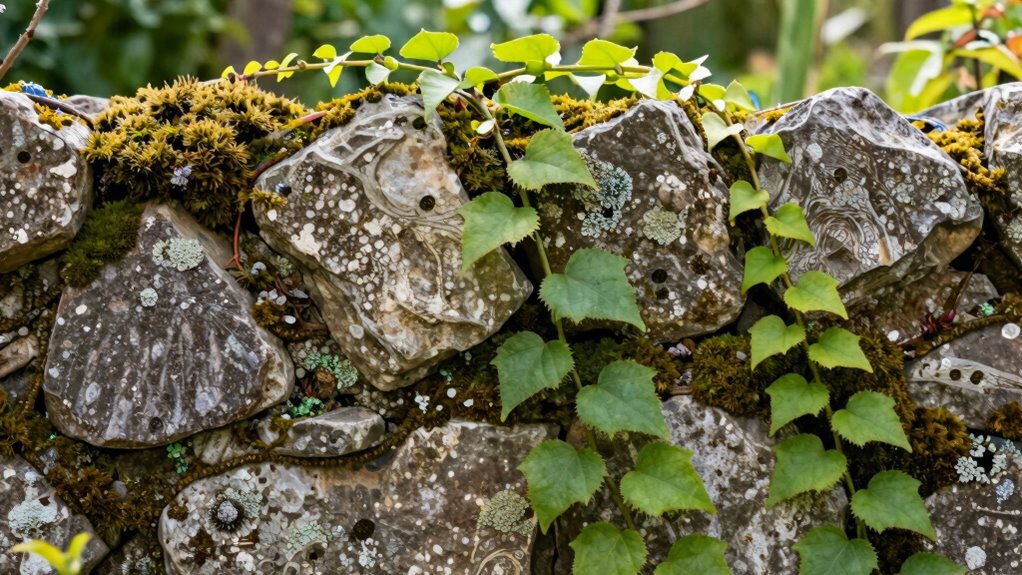
Have you ever wondered how to keep your garden walls in top shape? It’s not just about choosing the right plants or making sure the structure is sound; it’s about consistent maintenance, which includes paying attention to planting tips and pest prevention. When you follow these guidelines, your garden walls will remain both beautiful and durable for years to come.
First, consider planting tips that support your wall’s health. Opt for plants that are suitable for vertical growth, such as climbing vines or small shrubs that won’t exert too much pressure on the structure. Before planting, examine the wall’s material—whether it’s brick, stone, or concrete—and choose plants that won’t cause damage over time. For example, avoid aggressive root systems that can crack or dislodge bricks. Instead, select species with shallow roots, like jasmine or ivy, and train them properly to grow along trellises or wall supports. Regularly prune these plants to prevent overgrowth, which can add weight or create cracks that compromise the wall’s integrity. Incorporating proper maintenance practices is essential to preserving both the aesthetic and structural integrity of your garden wall.
Choose shallow-rooted plants like jasmine or ivy and train them properly to protect your garden wall’s integrity.
Pest prevention is equally critical. Garden walls often serve as hiding spots for pests like aphids, scale insects, or even small rodents that can damage plants and weaken the structure. To keep pests at bay, inspect your plants frequently, especially during warm months when infestations are more common. Use natural pest control methods whenever possible—introduce beneficial insects like ladybugs or apply organic treatments to avoid harming your plants or the environment. Keep the base of your wall clean and free of debris that can harbor pests or mold. Also, ensure there’s good air circulation around your plants, which discourages pests from settling in. Additionally, understanding the types of pests that target garden walls can help you implement more effective prevention strategies. Incorporating proper drainage around your garden wall is another crucial aspect, as excess moisture can lead to structural damage and pest issues. Regularly monitoring your wall and surrounding plants ensures early detection and prompt intervention, preventing minor issues from becoming major problems.
Consistency is key. Every few weeks, check your garden wall for signs of pest activity or plant overgrowth. Early detection makes it easier to control issues before they escalate. Incorporate preventive measures like applying mulch at the base to retain moisture and deter pests, or installing physical barriers if necessary. Remember, healthy plants are less prone to pests, so watering and fertilizing appropriately will support their resilience.
garden wall plant support trellises
As an affiliate, we earn on qualifying purchases.
As an affiliate, we earn on qualifying purchases.
Frequently Asked Questions
How Often Should I Inspect My Garden Wall for Damage?
You should inspect your garden wall at least twice a year for damage. During these inspections, check wall stability by looking for cracks, leaning, or loose bricks. Also, look for signs of pest prevention issues, like holes or nests. Regular inspections help catch problems early, preventing costly repairs and maintaining the wall’s beauty. Stay proactive to guarantee your garden wall remains sturdy and pest-free throughout the seasons.
What Are the Best Cleaning Methods for Different Wall Materials?
Think of your garden wall as a portrait that needs gentle care. For brick or stone, use a soft brush and mild detergent, avoiding high-pressure washing that can damage mortar. For concrete, pressure washing works well for stain removal, but keep it at a safe distance to prevent chipping. Wood walls benefit from a gentle scrub with soap and water, ensuring you don’t strip the finish. Proper cleaning preserves beauty and longevity.
How Can I Prevent Weed Growth Along the Wall Base?
To prevent weed growth along your wall base, lay down a weed barrier fabric directly on the soil. This blocks weed seeds from germinating. Then, add a soil amendment like compost or mulch on top to improve soil health and discourage weeds. Regularly inspect and replace the barrier if it tears, and keep the area well-maintained for long-lasting, clean-looking walls.
When Should I Consider Professional Repairs for My Garden Wall?
Think of your garden wall as a delicate sculpture that needs expert care. You should consider professional repairs if cracks or bulges threaten its stability or if wall paint preservation becomes impossible due to damage. When aesthetic concerns outweigh DIY fixes, calling in specialists guarantees your garden wall maintains its beauty and strength. Addressing issues early keeps your wall looking pristine and prevents small problems from becoming costly repairs.
Are There Eco-Friendly Products for Maintaining Garden Walls?
Yes, there are eco-friendly products for maintaining your garden wall. You can use sustainable sealants that protect without harming the environment, and biodegradable cleaners that effectively remove dirt and algae without leaving toxic residues. These products help preserve your wall’s appearance while minimizing ecological impact. By choosing eco-conscious options, you guarantee your garden remains beautiful and sustainable, supporting a healthier environment for your outdoor space.
shallow rooted climbing plants for walls
As an affiliate, we earn on qualifying purchases.
As an affiliate, we earn on qualifying purchases.
Conclusion
To keep your garden walls looking stunning, remember this simple rule: regular maintenance. Picture your wall standing tall and proud, its stones or bricks gleaming under the sun, every crack and crevice cared for like a treasured garden centerpiece. With just a little effort, you’ll preserve its charm and strength, transforming your outdoor space into a picturesque haven. Keep up with maintenance, and your garden walls will continue to enchant, year after year.
garden pest control organic treatments
As an affiliate, we earn on qualifying purchases.
As an affiliate, we earn on qualifying purchases.
drainage systems for garden walls
As an affiliate, we earn on qualifying purchases.
As an affiliate, we earn on qualifying purchases.
Fall yard work Picks
leaf blowers
As an affiliate, we earn on qualifying purchases.