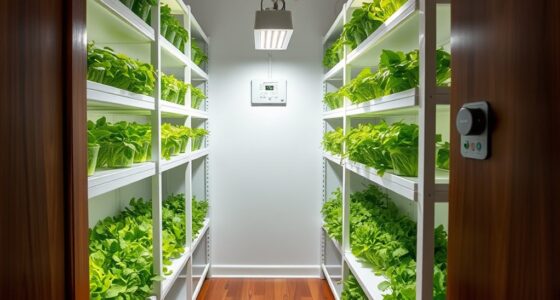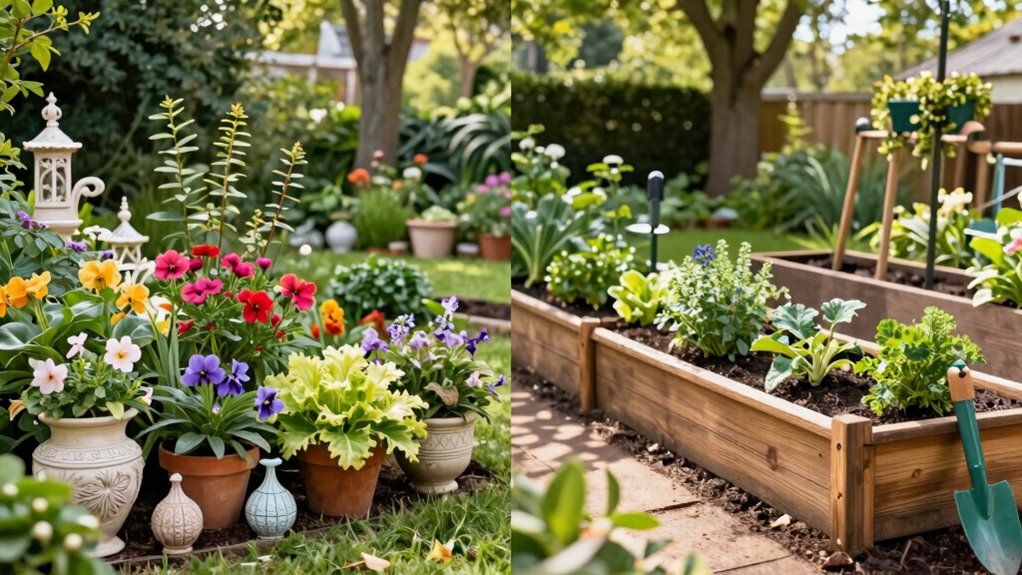
To choose between decorative and utility-first garden kits, consider what matters most to you: visual appeal or ease of maintenance. If you want a vibrant, eye-catching space, go for decorative kits with colorful flowers and artistic features. If you prefer a low-maintenance, productive garden, then utility kits with hardy plants and simple containers are better. You can find tips to balance both styles and create a garden that matches your goals as you explore further.

Get garden gear delivered free with Prime
- Fast, free delivery on millions of items
- Prime Video, Amazon Music and more included
- Member-only deals all year
Key Takeaways
- Determine if your priority is visual appeal or functional productivity in your garden.
- Assess the maintenance effort you’re willing to invest—decorative kits need more upkeep.
- Consider your garden’s purpose: aesthetic enhancement or growing edible plants with ease.
- Decide if blending beauty and practicality aligns with your long-term garden goals.
- Evaluate your environment to choose plants and features that support sustainability and resilience.

Choosing the right garden kit can greatly impact your outdoor space’s functionality and appearance. Whether you’re aiming for a lush, vibrant garden or a sleek, minimalist landscape, understanding the purpose of your garden kit helps you make the best choice. Decorative garden kits focus on enhancing your garden’s aesthetics, offering stylish containers, ornamental plants, and design elements that boost curb appeal. If you want a space that’s visually stunning and serves as a backdrop for your outdoor gatherings, a decorative kit might be your best fit. These kits often include colorful flowers, decorative pots, and artistic features that elevate the overall look of your garden. However, keep in mind that decorative setups can sometimes require more frequent plant maintenance to keep everything looking fresh and vibrant. You’ll need to regularly prune, water, and replace plants to preserve that pristine appearance.
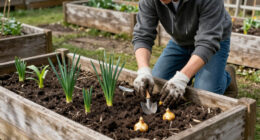
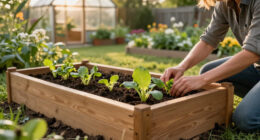
On the other hand, utility-first garden kits prioritize functionality and ease of plant maintenance. If you’re someone who enjoys growing vegetables, herbs, or other edible plants, or if you prefer a low-maintenance garden, this approach is more suitable. Utility kits typically include practical containers, raised beds, or simple plant supports that make caring for your plants straightforward. They’re designed for efficiency, so you spend less time on upkeep and more on enjoying your garden. These kits often feature hardy, easy-to-grow plants that thrive with minimal intervention, making them ideal if you want a productive garden without the fuss. They tend to have a more functional aesthetic, which might not be as striking visually but offers the benefit of practicality and sustainability. Additionally, garden design principles can help you balance aesthetics and functionality effectively. Incorporating biodiversity into your garden can further enhance its resilience and ecological value, especially when choosing plants that support local wildlife. Creating a sustainable garden often means selecting plants that are well-suited to your environment, which can reduce water and resource consumption. Understanding plant adaptability can help you select species that flourish with less maintenance and environmental stress.
Your decision ultimately depends on your priorities. If the primary goal is to create a beautiful, eye-catching outdoor space, go for decorative kits that emphasize garden aesthetics. You’ll want to select plants and design elements that complement your style and require some upkeep to stay stunning. If you prefer a garden that’s simple to maintain and yields fresh produce or herbs, a utility-first kit is the way to go. It simplifies plant care and keeps your outdoor space productive and manageable. Remember, blending elements from both types is also an option—adding decorative touches to a practical garden can enhance its charm without sacrificing functionality. Whatever you choose, understanding your goals helps you select a garden kit that makes your outdoor space truly yours.
Products Worth Considering

Orbit B-hyve 12-Zone Indoor/Outdoor Wi-Fi Sprinkler Controller

Orbit B-hyve XR 8-Zone Indoor/Outdoor Smart Sprinkler Controller

Greenworks 40V Cordless Chainsaw Kit with 12-Inch Bar, 2Ah Battery and Charger
As an affiliate, we earn on qualifying purchases.
Frequently Asked Questions
Can I Combine Decorative and Utility-First Garden Kits?
Yes, you can combine decorative and utility-first garden kits to enhance your garden’s aesthetics and plant diversity. By blending ornamental plants with practical elements like vegetable patches or herbs, you create a visually appealing yet functional space. This approach allows you to enjoy a vibrant, diverse garden that’s both beautiful and productive, catering to your love for aesthetics and your need for utility in gardening.
Which Kit Is More Cost-Effective Long-Term?
The utility-first garden kit is your best bet for long-term savings, offering unmatched investment longevity. While the decorative kit may seem tempting, it can lead to higher costs over time due to frequent replacements or upgrades. A careful cost comparison shows utility-focused options provide more value, making them the smarter, more cost-effective choice for sustained gardening success. You’ll save big and enjoy your garden longer!
Are Maintenance Needs Different for Each Kit Type?
Maintenance needs differ based on the kit type. Decorative kits focus on garden aesthetics, often requiring regular pruning, watering, and pest control to keep plants looking their best. Utility-first kits emphasize plant durability, so they usually need less frequent upkeep, mainly ensuring proper watering and occasional fertilizing. You’ll find that decorative gardens demand more ongoing attention, while utility gardens are simpler to maintain and more resilient.
How Do Climate Conditions Influence Kit Choice?
Imagine your garden as a ship steering through different climates. In dry, arid conditions, choose kits that suit soil compatibility and have minimal watering needs, like a sturdy utility-first kit. Conversely, in humid or rainy climates, opt for decorative kits that thrive with extra watering and humid soil compatibility. Your garden’s success depends on matching kit features to climate conditions, ensuring your plants flourish regardless of the weather.
Can Beginner Gardeners Successfully Use Utility-First Kits?
Yes, beginner gardeners can successfully use utility-first kits because they focus on functional garden design and practical plant selection. These kits simplify the process, guiding you on which plants thrive together and how to organize your space efficiently. By following the kit’s instructions and choosing the right plants for your climate, you’ll build confidence quickly, creating a productive garden that’s both easy to maintain and rewarding.
Conclusion
So, whether you choose a decorative or utility-first garden kit, remember: the real trick is convincing yourself that one is “better” than the other. After all, you’ll probably end up blending both anyway—because what’s more practical than a garden that’s both beautiful and useful? Sometimes, the best decision is simply embracing the chaos of your own green thumb. Happy gardening, and don’t forget to enjoy the surprisingly stylish mess you create!