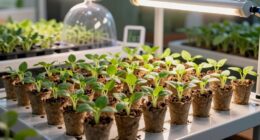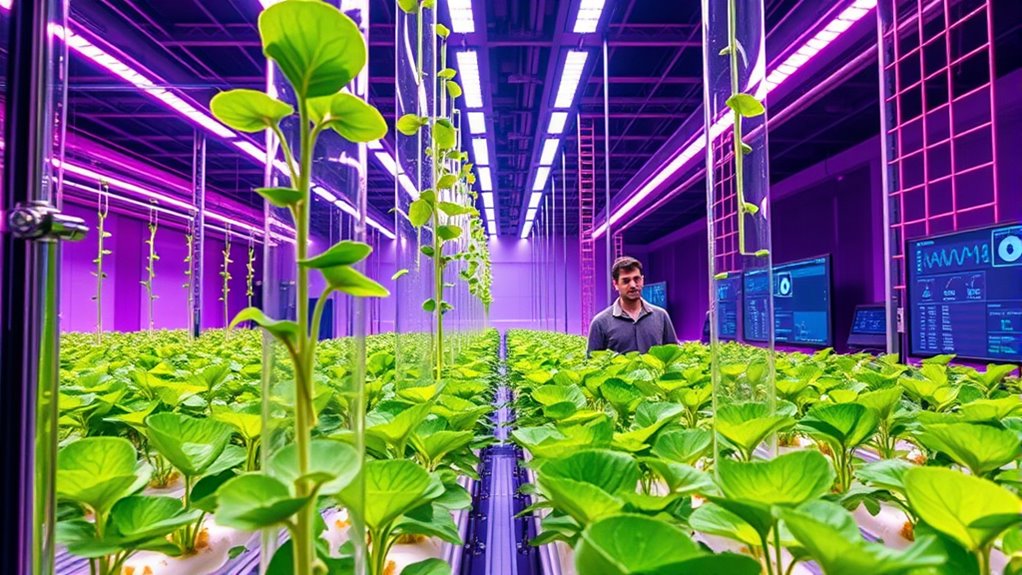
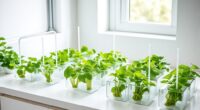
Aeroponic gardening can make traditional farmers less necessary because it allows you to grow high yields in small, controlled spaces with minimal water and resources. By suspending roots in the air and misting them with nutrient solutions, this method speeds up growth and reduces the need for large plots of land. Its automation and efficiency mean you can produce fresh food locally in urban areas. If you want to discover how this technology might reshape farming, keep exploring the possibilities.
Key Takeaways
- Aeroponic systems enable high-yield, automated crop production in small spaces, reducing the need for large-scale farms.
- Advanced sensors and automation allow non-experts to efficiently grow healthy plants without traditional farming skills.
- Urban and indoor setups decrease dependence on extensive farmland, making traditional farming less necessary.
- Continuous technological improvements enhance system scalability and cost-effectiveness, challenging conventional agriculture models.
- Aeroponics promotes local, sustainable food production, potentially replacing large farms and altering the role of traditional farmers.
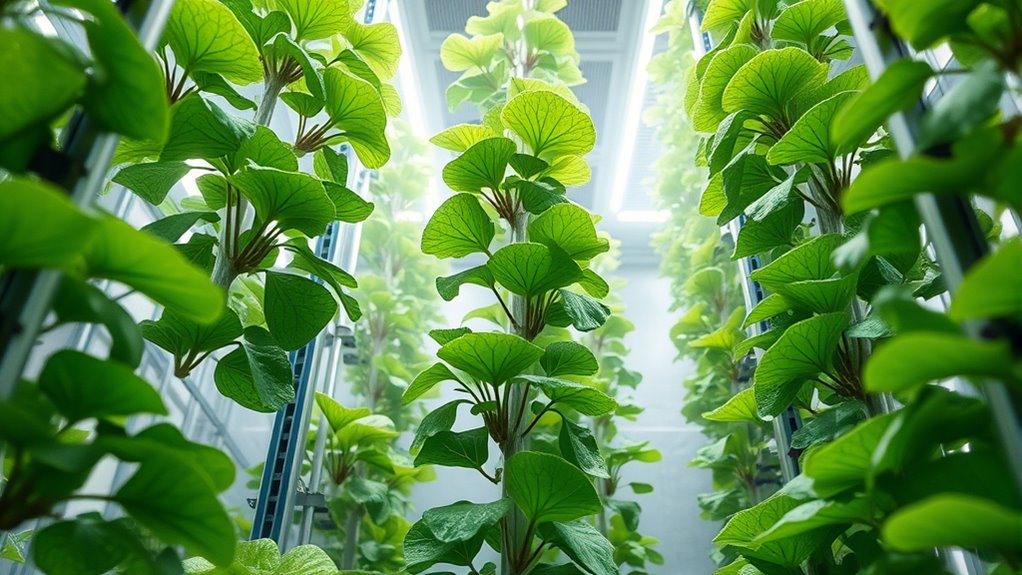
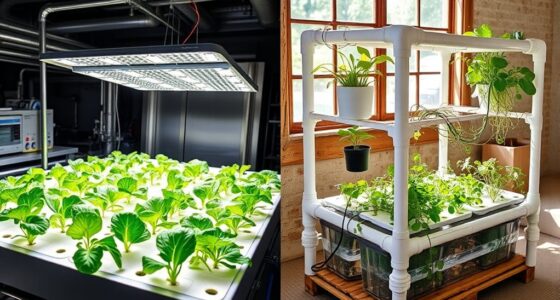
Have you ever wondered how plants can grow without soil? It might sound like science fiction, but aeroponic gardening makes it possible. This innovative method involves suspending plant roots in the air and misting them with nutrient-rich solutions. It’s a game-changer, especially for urban farming enthusiasts and those interested in indoor cultivation. Instead of traditional soil-based farming, aeroponics offers a clean, efficient way to grow food in confined spaces, making it ideal for city environments where land is limited.
Discover how aeroponics enables plants to grow without soil in urban and indoor environments.
In urban settings, space is at a premium, and conventional farming isn’t always practical. Aeroponic systems allow you to cultivate a variety of crops in small, controlled environments—think rooftops, basements, or dedicated indoor rooms. You don’t need vast fields or extensive land, just a well-designed setup and a reliable supply of nutrients. This method not only maximizes space but also reduces water usage considerably since it recycles the mist and minimizes waste. For city dwellers keen to produce fresh vegetables or herbs at home, indoor cultivation through aeroponics offers a sustainable and accessible solution.
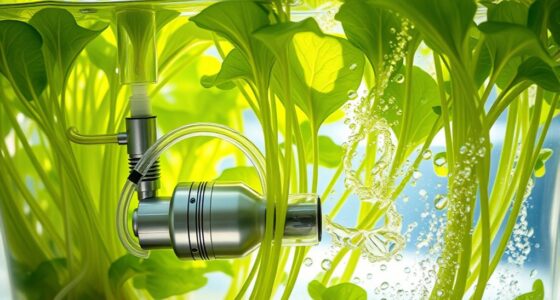
Because aeroponic gardening relies on precise control over environmental factors, it can be automated and monitored with modern technology. Sensors track humidity, temperature, and nutrient levels, ensuring ideal conditions for plant growth. This means you don’t have to be a seasoned farmer to succeed; you can grow healthy, high-yield crops with minimal effort. The rapid growth cycle in aeroponics means you harvest sooner than traditional methods, providing fresh produce more frequently.
As the technology advances, it’s becoming clear that aeroponics could disrupt traditional farming entirely. Instead of relying on large-scale fields and manual labor, individual households and small businesses can produce food locally and efficiently. This could lead to a noteworthy decline in the demand for conventional farmers, as people take control of their food sources through indoor cultivation. With fewer resources needed and less environmental impact, aeroponics could make traditional farming nearly obsolete in many areas. Additionally, the use of specialized growing containers in aeroponics enhances the efficiency and scalability of the system.
In essence, aeroponic gardening isn’t just a new way to grow plants—it’s a potential revolution in how we think about food production. It offers a sustainable, space-saving, and efficient alternative that aligns perfectly with the needs of urban populations. As technology continues to improve, the possibility that farmers might become unnecessary becomes more tangible. The future of food production could very well be in your hands, right in your home or city, making the old methods seem outdated and inefficient.

AEROPONICS GARDENING SYSTEM: Easy Guide to Building Your Own Aeroponic Systems
As an affiliate, we earn on qualifying purchases.
As an affiliate, we earn on qualifying purchases.
Frequently Asked Questions
Can Aeroponic Systems Operate Outdoors in All Climates?
You might wonder if aeroponic systems can operate outdoors in all climates. While they offer great potential, climate adaptability varies. Extreme outdoor challenges like freezing temperatures, high humidity, or intense sunlight can impact their performance. To succeed, you’ll need to tailor the system to your specific environment, using protective measures or climate control solutions. So, not all outdoor climates are ideal, but with adjustments, aeroponics can work in many conditions.
What Is the Initial Cost to Start Aeroponic Gardening?
Starting an aeroponic garden is like planting a seed for future abundance. Your initial costs include equipment expenses such as misting systems, grow chambers, and lighting, typically ranging from $1,000 to $5,000 depending on size. These startup costs can seem steep at first, but they’re an investment in efficiency and sustainability. Once set up, you’ll enjoy faster growth rates and less water use, making it a smart choice for modern growers.
How Do Aeroponic Yields Compare to Traditional Soil Farming?
You’ll find that aeroponic yields often surpass traditional soil farming, thanks to precise nutrient delivery and controlled environments. Since aeroponics reduces soil dependence, plants grow faster and healthier, boosting crop diversity and overall output. You can expect higher yields with less water and space, making this method more efficient. This approach allows you to maximize productivity while minimizing issues like soil degradation and pests, ultimately transforming how you farm.
Are There Any Health Risks Associated With Aeroponic Produce?
Like a clear pond, aeroponic produce is generally safe, but you should stay cautious. Some might worry about nutrient contamination or microbial safety, since plants grow in a controlled environment. However, because aeroponics minimizes soil contact and uses sterile techniques, risks are lower than traditional farming. Proper maintenance and testing guarantee your produce remains healthy and safe, making it a reliable choice for nutritious, contaminant-free food.
What Training Is Needed to Maintain Aeroponic Systems Effectively?
To effectively maintain aeroponic systems, you’ll need automation training and a good understanding of nutrient management. You should learn how to operate and troubleshoot automated systems that control watering and climate conditions. Additionally, mastering nutrient management guarantees your plants get the right balance for healthy growth. With this knowledge, you’ll keep your aeroponic setup running smoothly, maximizing yields while reducing manual effort and minimizing risks.
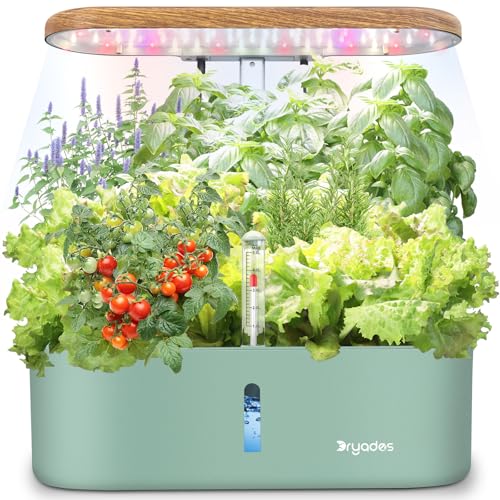
Hydroponics Growing System Indoor Garden: 12 Pods Herb Garden Kit Indoor with LED Grow Light Plant Germination Kit Aeroponic Healthy Fresh Herbs Vegetables Hydroponic Planter for Home Kitchen Office
- Effortless Indoor Herb Gardening: All-in-one hydroponic system with LED light
- 12-Pod Hydroponic Growing Stations: Includes water level indicator for easy monitoring
- Dual Full-Spectrum LED Lighting: Adjustable blue and red light modes for different plants
As an affiliate, we earn on qualifying purchases.
As an affiliate, we earn on qualifying purchases.
Conclusion
So, step into the future of farming where technology transforms toil into triumph. Aeroponic gardening promises a more efficient, eco-friendly, and endless evolution of agriculture. But remember, as innovation invades, it also invites introspection—are we losing the love of the land? Embrace change, but stay mindful of the meaning behind Mother Earth’s magic. Because in this new nurturing nexus, nature and technology must work together, weaving wisdom into every whisper of the wind.

Vertical Hydroponic Growing System – Aeroponics Kit for Herbs, Fruits & Vegetables – Indoor Garden Solution for Home Gardening & Urban Farming
- Vertical Hydroponic Tower: Enhances yields with minimal maintenance
- Easy Assembly: Includes all parts for quick setup
- Durable Construction: Made from sturdy PVC-like plastic
As an affiliate, we earn on qualifying purchases.
As an affiliate, we earn on qualifying purchases.
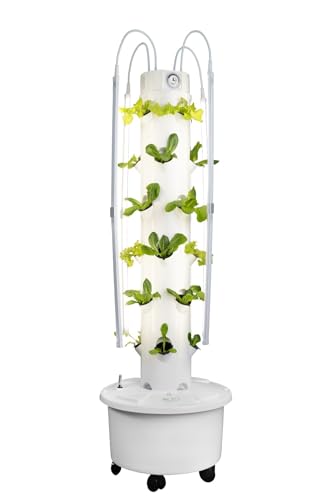
ALTO GARDEN GX Hydroponic Tower | Vertical Planter Tower | Hydroponics Growing System Kit | Food Grade with 24 Net Pots (with LED Grow Lights)
- Self-Watering Hydroponic System: Fully contained with LED grow lights
- Durable Construction: 2mm thick walls, 360-degree solid layers
- Spacious Planting Design: Wide-spaced pots for full plant growth
As an affiliate, we earn on qualifying purchases.
As an affiliate, we earn on qualifying purchases.