
TL;DR

Get garden gear delivered free with Prime
- Fast, free delivery on millions of items
- Prime Video, Amazon Music and more included
- Member-only deals all year
Search interest in coneflower pruning is rising, driven by gardeners seeking advice on when to cut back or leave the plants untouched. Experts recommend specific timing for optimal health and flowering, but some details remain uncertain.
Gardeners are increasingly searching for advice on when to cut back coneflowers and when to leave them untouched, as interest in plant maintenance tips spikes across gardening forums and search queries. Experts emphasize that proper timing can influence plant health and flowering, but specific recommendations vary and some details remain uncertain. For example, you might consider leaving perennials over winter to support local bird populations.
The rising search interest is believed to be linked to the approaching fall season, when many gardeners consider pruning perennials like coneflowers. According to horticultural sources, coneflowers (Echinacea spp.) typically benefit from being cut back in late fall or early spring, depending on the climate and gardener preference. However, some gardeners choose to leave seed heads over winter for bird habitat, and the timing of pruning can impact flowering and plant vigor.
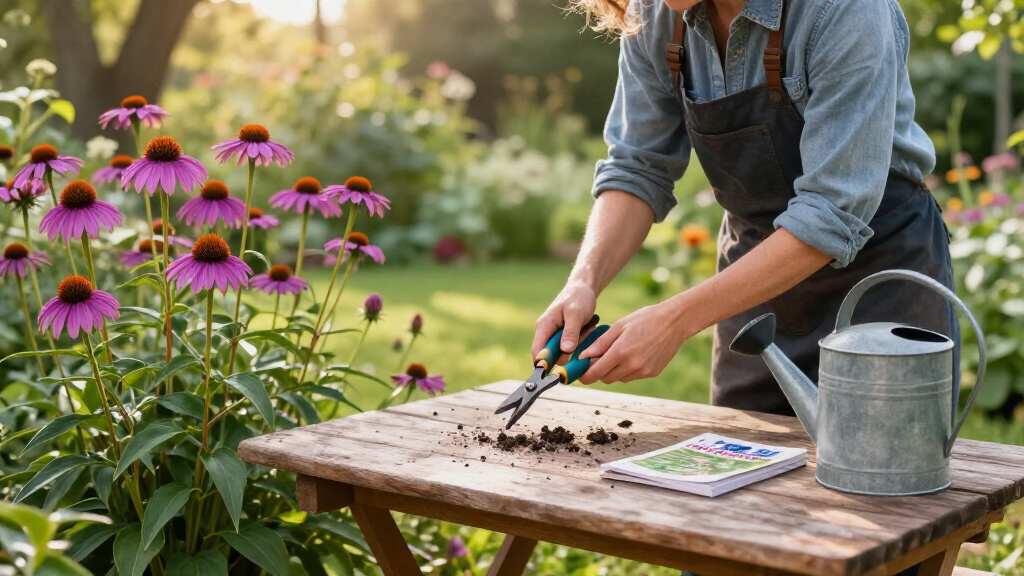
Horticultural experts generally advise that deadheading and cutting back coneflowers in late fall or early spring helps promote healthy growth and abundant blooms. The recommended timing varies by region: in colder climates, late fall after the first frost is common, while in milder areas, early spring before new growth begins is suggested. Some sources note that leaving seed heads over winter can provide ecological benefits, such as supporting local bird populations, but may also lead to increased plant debris and disease risk if not managed properly.
While many gardening guides agree on these basic principles, there is some variation in specific timing and practices. For example, some recommend cutting back just after flowering, while others suggest waiting until the plant begins to die back naturally. The uncertainty is compounded by individual plant health, local climate, and personal preferences, making it difficult to prescribe a universal rule.
Impacts of Pruning Timing on Plant Health and Ecosystem
Understanding when to cut back or leave coneflowers untouched is important for maximizing flowering potential and maintaining healthy plant growth. Proper pruning can prevent disease, encourage new growth, and support local wildlife by providing seed heads for birds. Conversely, incorrect timing may lead to reduced flowering, increased susceptibility to pests, or plant decline. As gardeners seek evidence-based advice amidst conflicting recommendations, clarity on best practices becomes increasingly relevant for sustainable gardening.
Products Worth Considering

Husqvarna Power Axe 350i 18-Inch Cordless Chainsaw Kit

EGO POWER+ 21 Cordless Electric Lawn Mower Kit, Self-Propelled

EGO Power+ LB8803-2 Cordless Leaf Blower with Two Batteries
As an affiliate, we earn on qualifying purchases.
Seasonal Practices and Growing Region Variations
Historically, gardeners have pruned coneflowers in late fall after the first frost or in early spring before new growth appears. The practice varies across regions: colder climates often favor fall pruning to prepare plants for winter, while milder areas may see spring pruning as more appropriate. The trend of increased interest in pruning timing appears linked to the seasonal cycle, but specific regional adaptations and individual plant conditions influence the best approach. Prior advice has emphasized deadheading to prolong flowering, but recent searches suggest a shift towards understanding the pros and cons of leaving seed heads over winter.
Experts note that the trend may also be influenced by ecological considerations, such as supporting bird populations or reducing garden debris. However, the exact impact of timing on plant longevity and flowering remains a topic of ongoing discussion among horticulturists, with some details still unconfirmed or debated.
Unconfirmed Recommendations and Regional Variations
While general guidelines exist, specific timing recommendations for coneflower pruning are not universally agreed upon. Some sources suggest late fall after frost, others advocate early spring, and the ecological impact of leaving seed heads over winter is still being studied. Regional climate differences and individual plant health further complicate establishing a definitive best practice. Experts acknowledge that more research is needed to clarify the optimal timing for various environments.
Further Research and Regional Guidelines for Gardeners
Researchers and horticultural organizations are expected to continue studying the effects of pruning timing on coneflowers’ health, flowering, and ecological benefits. Gardeners are advised to consider their local climate, plant condition, and personal goals when deciding whether to prune in fall or spring. Future guidelines may emerge as more data becomes available, helping to standardize best practices across different regions.
Key Questions
Should I prune my coneflowers in fall or spring?
Most experts recommend pruning in late fall after the first frost or in early spring before new growth begins, depending on your climate and goals. Consider whether you want to support local birds by leaving seed heads or prefer a tidy garden bed.
Can leaving seed heads over winter harm my plants?
Leaving seed heads can provide ecological benefits but may also increase disease risk or debris accumulation. It is generally safe if managed properly and in suitable climates.
Does pruning timing affect flowering the next year?
Yes, pruning at the right time can promote healthier growth and more abundant blooms. Incorrect timing might reduce flowering or weaken the plant.
Is there a universal rule for pruning coneflowers?
No, practices vary based on regional climate, plant health, and personal preference. Local gardening guides may offer tailored advice.
What should I do if I’m unsure about when to prune?
Consult local horticultural resources or experienced gardeners in your area to determine the best timing for your specific conditions.
Source: rss