TL;DR

Get garden gear delivered free with Prime
- Fast, free delivery on millions of items
- Prime Video, Amazon Music and more included
- Member-only deals all year
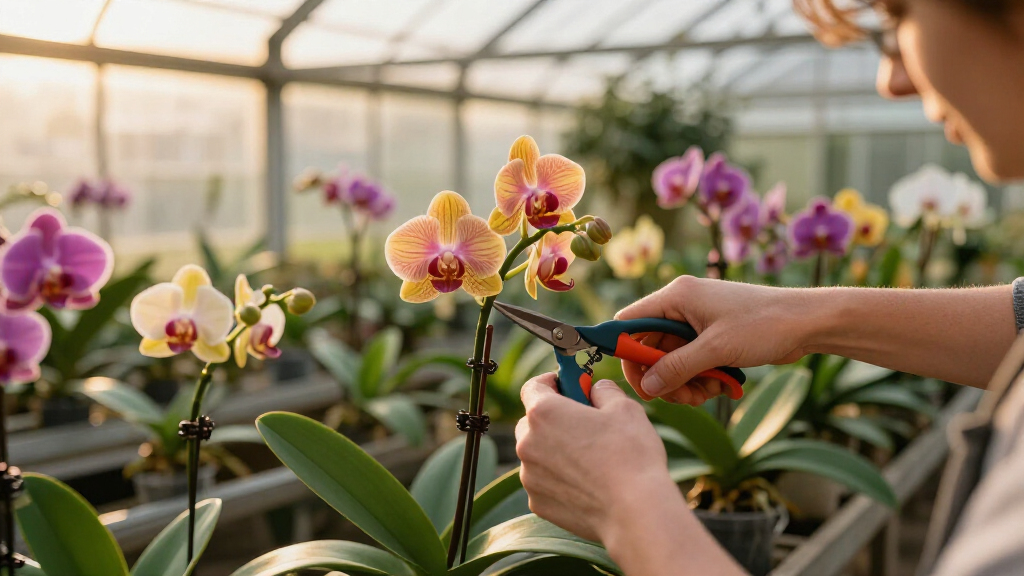
Interest in orchid care spikes as gardeners focus on September tasks that influence winter blooming. Six critical steps in September can determine whether orchids will flower this season. This trend is driven by a surge in gardening activity and orchid enthusiasts seeking better results.
Gardening enthusiasts and orchid growers are increasingly focusing on six essential tasks in September that can determine whether their orchids will bloom this winter. Experts warn that proper care during this month is critical for encouraging flowering and maintaining healthy plants, especially as interest in orchid cultivation surges among home gardeners.
Recent trends indicate a significant rise in searches related to orchid care in September, driven by gardeners eager to optimize flowering outcomes. According to horticultural sources, the six key tasks include adjusting watering routines, controlling temperature and light, fertilizing appropriately, repotting if necessary, monitoring pests, and ensuring proper humidity levels. These steps are confirmed by experienced growers as crucial for preparing orchids for their flowering cycle.
Specifically, experts recommend reducing watering frequency as the plant enters its resting phase, while ensuring it receives adequate but not excessive light. Fertilization should shift to a balanced, low-nitrogen formula to promote bud development. Repotting is advised only if the orchid is root-bound or shows signs of disease, with proper sterilization procedures. Pest monitoring remains vital, especially for common issues like scale or mealybugs, which can hinder flowering. Maintaining humidity levels around 50-70% is also confirmed as beneficial for most orchid varieties as they prepare to bloom.
While these practices are widely recommended, some claims about specific fertilization schedules or temperature adjustments are based on expert consensus rather than definitive scientific studies. The overall consensus, however, underscores the importance of consistency and attentiveness during September to influence winter flowering success.
Why September Care Determines Winter Blooms
This focus on September tasks matters because orchids, especially popular varieties like Phalaenopsis and Dendrobiums, rely heavily on proper seasonal care to trigger flowering. Successful management during this month can lead to a vibrant display in winter, making it a priority for hobbyists and commercial growers alike. With rising interest in indoor gardening, understanding these steps helps enthusiasts achieve better results and enjoy more consistent blooms.
As an affiliate, we earn on qualifying purchases.
September Orchid Care Fits Into Seasonal Growth Cycles
Orchids typically enter a resting phase after their main flowering period, often during late summer or early fall, depending on the species. Proper care during this period can influence their ability to produce buds in the upcoming season. Recent attention to orchid care in September reflects broader gardening trends, with many new gardeners seeking to extend flowering seasons and improve plant health. Historically, neglecting these key tasks has led to reduced flowering or plant decline, emphasizing the importance of timely intervention.
As an affiliate, we earn on qualifying purchases.
Unconfirmed Aspects of September Orchid Care
While experts agree on the importance of certain tasks, specific fertilization schedules and temperature adjustments remain based on anecdotal evidence rather than rigorous scientific validation. It is also unclear how variations among orchid species affect the optimal care practices in September, and whether regional climate differences significantly influence outcomes. More research is needed to establish standardized protocols for all varieties.
As an affiliate, we earn on qualifying purchases.
Next Steps for Orchid Growers in Fall
Gardeners should implement the six key tasks during September, closely monitor their orchids for signs of stress or pests, and adjust care routines accordingly. As winter approaches, continued attention to watering, fertilizing, and environmental conditions will be essential. Experts recommend documenting plant responses to refine care strategies for future seasons. Additionally, growers awaiting flowering should remain patient and consistent, as these early efforts set the stage for successful blooms.
As an affiliate, we earn on qualifying purchases.
Key Questions
Can I repot my orchid in September?
Yes, but only if the orchid is root-bound, shows signs of disease, or is severely pot-bound. Use sterilized tools and a suitable potting mix to minimize stress on the plant.
Should I fertilize my orchid every week in September?
No, experts recommend switching to a diluted, balanced fertilizer once every two to three weeks during this period to promote bud development without overfeeding.
How do I know if my orchid is ready to bloom?
Signs include the development of new buds, healthy leaves, and appropriate environmental cues such as light and temperature. Consistent care during September supports this process.
What pests should I watch for in September?
Common pests include scale insects, mealybugs, and spider mites. Regular inspection and prompt treatment are recommended to prevent flowering disruption.
Does temperature affect orchid flowering in September?
Yes, maintaining optimal temperature ranges—typically between 65-75°F (18-24°C)—is confirmed to support healthy growth and flowering. Temperature fluctuations should be minimized.
Source: rss
Halloween Picks
halloween
As an affiliate, we earn on qualifying purchases.