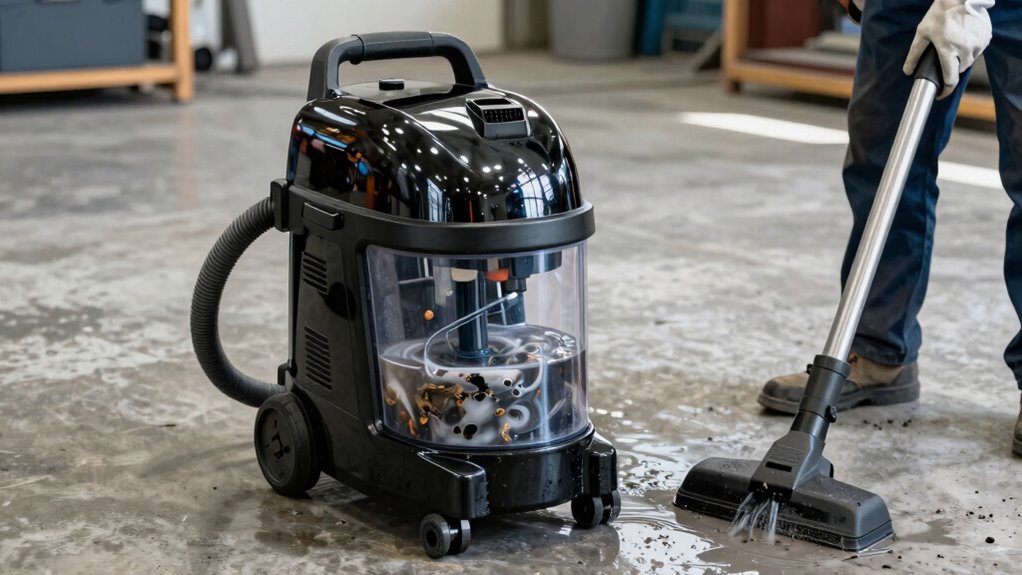

You might think a wet-dry vacuum is optional until you encounter a big mess that an ordinary cleaner can’t handle. When liquid spills or heavy debris like sawdust pile up, the vacuum’s large reservoir and versatile design save you time and effort. Proper maintenance and managing the power cord also prevent interruptions. Keep in mind, understanding how to fully utilize and care for your vacuum makes a big difference—there’s more to uncover if you keep exploring.

Get garden gear delivered free with Prime
- Fast, free delivery on millions of items
- Prime Video, Amazon Music and more included
- Member-only deals all year
Key Takeaways
- Reservoir capacity becomes critical during heavy-duty cleaning, preventing frequent interruptions.
- Wet-dry vacuums handle both liquid and dry debris, making them essential for serious messes.
- Proper cord management and maintenance ensure reliable performance during demanding tasks.
- Regular inspection and maintenance extend the vacuum’s lifespan and prevent breakdowns when it matters most.
- Their versatility and durability make wet-dry vacuums indispensable in challenging cleaning situations.

Wet-dry vacuums are versatile tools that can handle both liquid spills and dry debris, making them indispensable for cleaning throughout your home or workspace. While they often seem like optional equipment, their true value becomes clear when you’re faced with a messy situation that demands more than a regular vacuum can handle. When the reservoir fills up quickly during a major cleanup, you realize why investing in a good wet-dry vac is worth it. They’re designed to tackle tough messes, from wet carpets to sawdust, and can save you time and effort when you need it most.
Wet-dry vacuums handle tough messes, saving time and effort in any cleanup situation.
One of the key aspects of maintaining your wet-dry vacuum’s performance is managing the power cord properly. A tangled or poorly stored cord can slow down your work or cause accidents. You should always unwind the cord fully before use, ensuring it’s free of knots or twists that could lead to overheating or damage. When you’re finished, neatly coil the cord for easy storage and to prevent wear and tear over time. Proper power cord management not only extends the life of your vacuum but also keeps your workspace safe and organized, making your cleaning sessions smoother and more efficient. Additionally, paying attention to equipment maintenance can prevent unexpected breakdowns during critical cleanups. Regularly inspecting the cord for signs of wear and replacing damaged sections can further enhance safety. Incorporating preventive care into your routine can help identify issues early before they become costly repairs. Being aware of wear and tear on your equipment can also guide timely replacements, ensuring optimal performance.
Products Worth Considering

EGO Power+ LV5000 Cordless Leaf Vacuum, Mulcher, and Blower

Blackstone 2363 20 x 14-Inch Camping Griddle

Blackstone 1814 17-Inch Portable Propane Gas Griddle
As an affiliate, we earn on qualifying purchases.
Frequently Asked Questions
How Often Should I Clean My Wet-Dry Vacuum’s Filter?
You should clean your wet-dry vacuum’s filter after every few uses or when you notice a drop in suction power. Regular filter maintenance guarantees peak performance and prolongs its lifespan. Cleaning frequency depends on how often you use the vacuum and the debris type. Check the manufacturer’s instructions for specific recommendations, but generally, a thorough cleaning every 1-3 months keeps your vacuum running smoothly and prevents clogs.
What Safety Precautions Are Necessary When Using a Wet-Dry Vacuum?
You need to prioritize electrical safety by unplugging the vacuum before maintenance and avoiding water contact with electrical parts. Make certain proper ventilation to prevent inhaling dust or fumes. Always wear gloves and safety goggles, especially when handling debris or liquids. Keep the work area dry and well-lit, and don’t operate the vacuum near flammable materials. Taking these precautions helps prevent accidents and keeps you safe during heavy-duty reservoir work.
Can Wet-Dry Vacuums Handle Hazardous or Toxic Materials?
Wet-dry vacuums can handle hazardous materials and toxic waste if they’re specifically designed for that purpose. You should only use models labeled for hazardous or toxic substances, and always follow manufacturer instructions. These vacuums often have special filters and sealed systems to prevent leaks and contamination. Never attempt to clean hazardous or toxic waste with a standard wet-dry vacuum, as it could pose serious health and safety risks.
What Is the Typical Lifespan of a Wet-Dry Vacuum?
You can expect your wet-dry vacuum to last around 5 to 8 years with proper care. To extend its lifespan, follow a regular maintenance schedule, checking filters and seals, and cleaning the tank. Store it in a cool, dry place, and avoid leaving liquids in the tank for extended periods. Proper maintenance and storage tips can help you get the most out of your investment.
Are There Models With Automatic Water Level Shut-Off?
Yes, some wet-dry vacuum models feature automatic shut-off for the water level. These vacuums detect when the water reaches a certain level and turn off to prevent overflow or damage. If you often work with large amounts of liquid, choosing a model with this feature helps you avoid constant monitoring and potential messes. Look for vacuums with built-in sensors that activate the automatic shut-off when the water level gets too high.
Conclusion
So, next time you’re faced with a messy situation, remember that a wet-dry vacuum isn’t just a fancy gadget—it’s your secret ally. Its versatility might seem optional at first, but when the going gets tough, you’ll be glad you have it in your corner. Think of it as your trusty sidekick, quietly ready to tackle the chaos, so you can focus on what truly matters. With this tool, you’re always prepared for the unexpected.